Life-threatening Hurricane Isaias makes landfall in Florida
Source Entity
BBC News
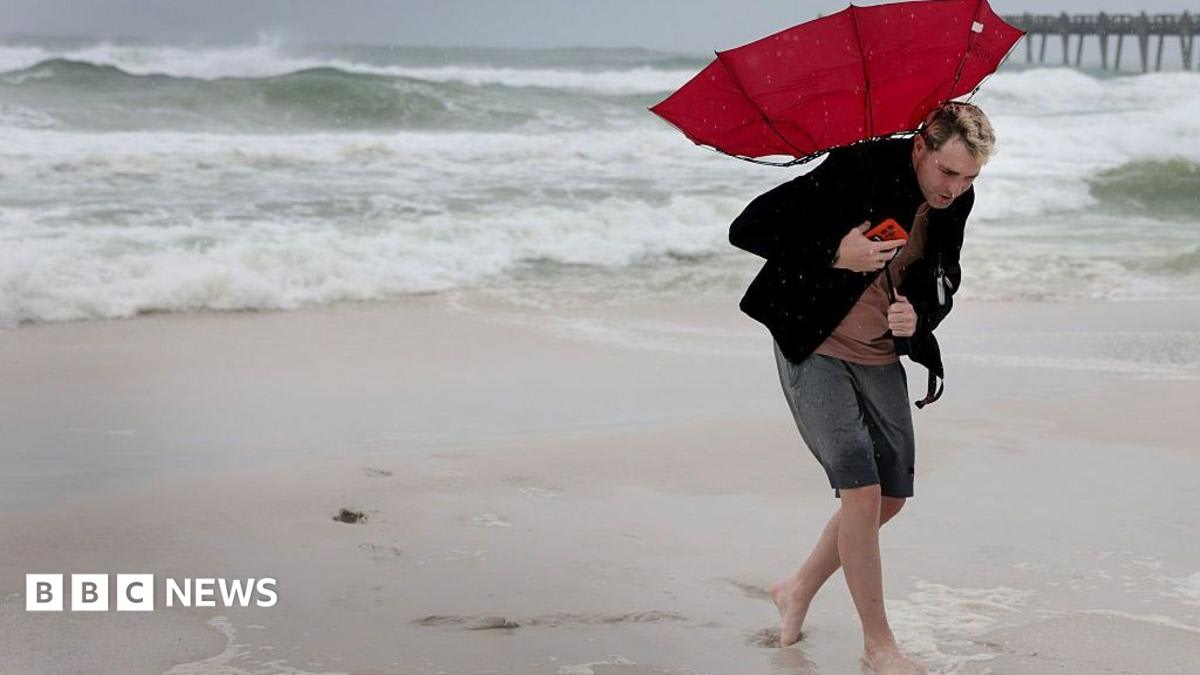
Hurricane Isaias has made landfall in Florida as a Category 2 storm, triggering massive evacuations and states of emergency across Florida, Alabama, and Georgia. The hurricane has caused widespread power outages and significant flooding risks, with authorities mobilizing the National Guard to assist in emergency operations.
The Impact of Hurricane Isaias: A Comprehensive Overview
Hurricane Isaias has officially made landfall near Destin, Florida, striking the region as a potent Category 2 hurricane. With maximum sustained winds reaching between 105 and 110 mph, the storm has brought immediate danger to the Gulf Coast. The arrival of this weather system has necessitated urgent responses from state and local authorities, as the storm’s trajectory threatens to impact not only Florida but also Alabama, Georgia, and potentially Louisiana.
Escalating Emergency Measures
In response to the life-threatening conditions, officials across Florida, Alabama, and Georgia have declared states of emergency. The severity of the situation is reflected in the mandatory evacuation orders issued in vulnerable coastal communities. To bolster the state's capacity to handle the aftermath, Florida has mobilized 5,000 National Guard personnel. These troops are currently tasked with assisting in critical rescue operations and managing the logistics of a mass-displacement event caused by the storm's intensity.
The Threat of Storm Surge and Flooding
Meteorologists from the National Hurricane Center have issued dire warnings regarding storm surges, which could see water levels rise by as much as 6 to 9 feet in certain coastal areas. This volume of water poses a life-threatening risk to low-lying neighborhoods. As the storm pushes inland, the combination of high-velocity winds and excessive precipitation creates a volatile environment. Reports from Mobile, Alabama, have already confirmed the physical toll of the storm, citing downed trees and severed power lines that have left hundreds of thousands without electricity.
A Broader Meteorological Context
Isaias is currently part of a complex and active weather pattern affecting North America. It is one of three distinct storm systems currently impacting the continent, with two additional systems active in the Pacific Ocean. These Pacific storms are being fueled by warmer waters linked to El-Niño conditions, highlighting the volatile nature of the current hurricane season. The convergence of these systems underscores the significant atmospheric pressures currently influencing climate patterns in the region.
Future Trends and Resilience
The immediate aftermath of Isaias will focus on damage assessment and infrastructure restoration. With 400,000 residents already without power, the recovery process will likely be prolonged, requiring extensive coordination between utility providers and emergency response teams. Looking forward, the increasing frequency of such intense storm systems necessitates a reevaluation of coastal infrastructure and evacuation protocols. As climate patterns continue to shift, the ability of states like Florida and Alabama to prepare for and mitigate the impact of major hurricanes remains a paramount challenge for regional governance and public safety.
Conclusion
In summary, Hurricane Isaias represents a significant meteorological event that has tested the emergency readiness of the American Gulf Coast. While the storm has made landfall, the danger remains elevated due to the potential for prolonged flooding and the widespread loss of essential services. The continued mobilization of resources and the adherence to safety protocols by residents remain the most effective strategies for navigating the treacherous conditions presented by this powerful Category 2 hurricane.