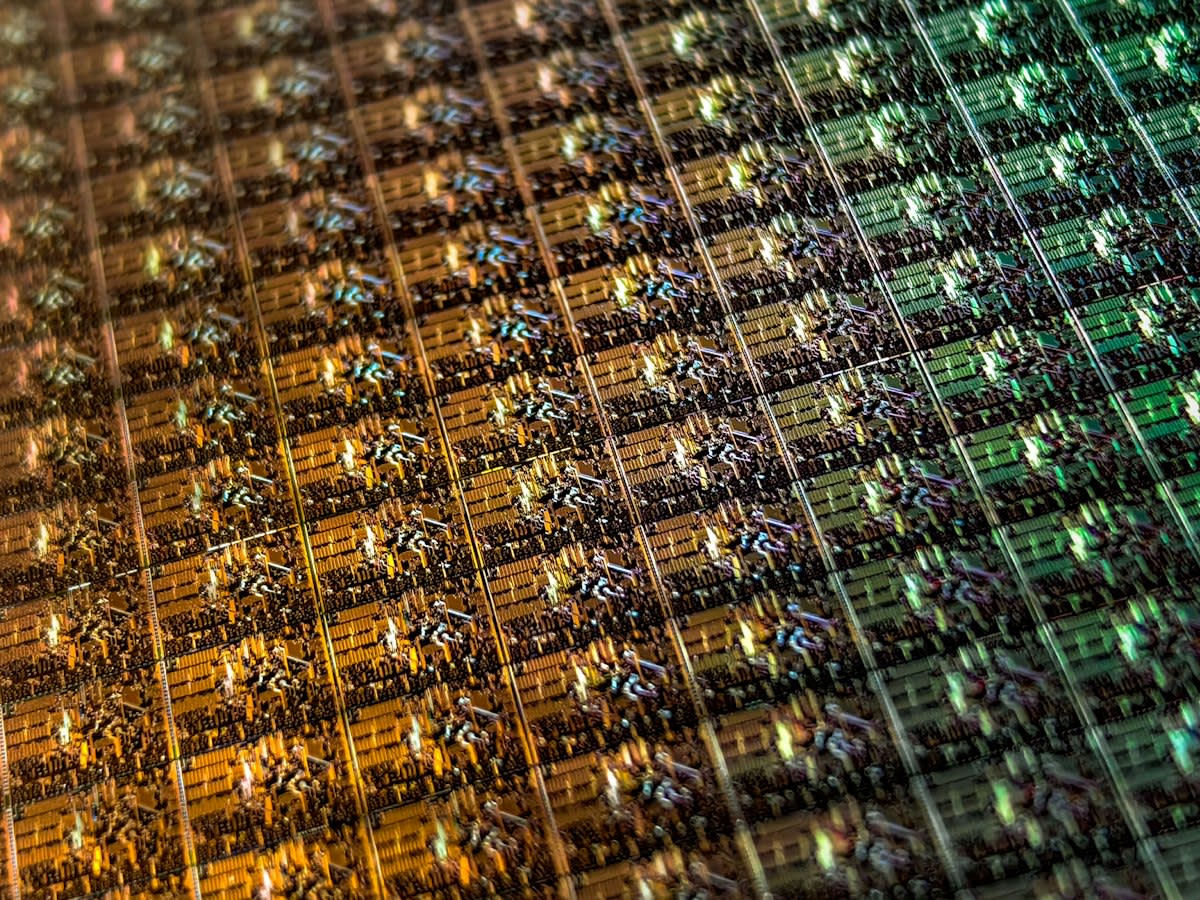
Silicon is choking. While the industry clung to the Moore's Law gospel for decades, the physical limits of electron migration in 3nm processes now create heat densities that defy conventional cooling logic. The ceiling has arrived. Why do we still pretend that shrinking a transistor further solves the energy equation? This obsession with miniaturization ignores the reality that silicon leaks current like a rusted pipe when pushed to these extremes.
The Rise of Wide Bandgap Materials
Gallium Nitride (GaN) wins. This material handles higher voltages and temperatures than silicon ever could, allowing power converters to shrink by 50% while increasing efficiency (Source: IEEE Power Electronics Society, 2023). It changes everything. In the streets of Shenzhen, GaN-based fast chargers have already saturated the consumer market, replacing bulky silicon bricks with sleek, high-frequency alternatives that run cooler.
Silicon Carbide (SiC) dominates. Electric vehicle manufacturers in South Korea and Germany now prioritize SiC for traction inverters because it reduces energy loss by nearly 70% compared to traditional silicon-based IGBTs (Source: Yole Group, 2023). The weight drops. This efficiency gain directly translates to longer range and faster charging times for the global EV fleet.
"The transition to wide bandgap materials is not a gradual evolution but a hard break from the thermal constraints that have governed computing since the 1960s."— Dr. Hiroshi Tanaka, Lead Researcher at the Tokyo Institute of Technology
The delta is clear. Twelve months ago, GaN was a niche play for high-end power bricks and specialized aerospace sensors. Today, we see a massive surge in automotive integration, with SiC shipments growing by 25% year-over-year as Tesla and BYD scale their power trains (Source: Gartner, 2024). The momentum is unstoppable.
The Invisible Fray: Engineering Wars
Internal disputes rage. In the cleanrooms of Hsinchu, a silent war exists between legacy CMOS designers and the new guard of material scientists. The old guard argues that the existing ecosystem of EDA tools is too deeply rooted in silicon to justify a total overhaul. They fight over the cost of new deposition equipment that can handle GaN on silicon substrates without creating catastrophic lattice mismatches. This friction slows deployment, yet the thermal data makes the old guard's position untenable.
| Property | Silicon (Si) | Gallium Nitride (GaN) | Silicon Carbide (SiC) |
|---|---|---|---|
| Bandgap (eV) | 1.1 | 3.4 | 3.2 |
| Breakdown Field (MV/cm) | 0.3 | 3.3 | 2.2 |
| Thermal Conductivity (W/mK) | 150 | 130 | 490 |
| Max Operating Temp | 150C | 300C+ | 600C+ |
Heat kills chips. When silicon reaches its thermal limit, electrons jump barriers they should not, causing logic errors and permanent hardware failure. This stagnation forces a recalculation of how we build data centers in humid climates like Singapore or Mumbai. Engineers now deploy liquid immersion cooling to keep silicon viable, but these systems add massive overhead and cost.
The Global Terrain of Transition
India is accelerating. The government's push for semiconductor autonomy focuses heavily on compound semiconductors rather than trying to catch up to TSMC's 2nm silicon lead (Source: Ministry of Electronics and IT, 2023). They avoid the silicon trap. By investing in GaN and SiC fabrication, they aim to leapfrog the legacy era entirely.
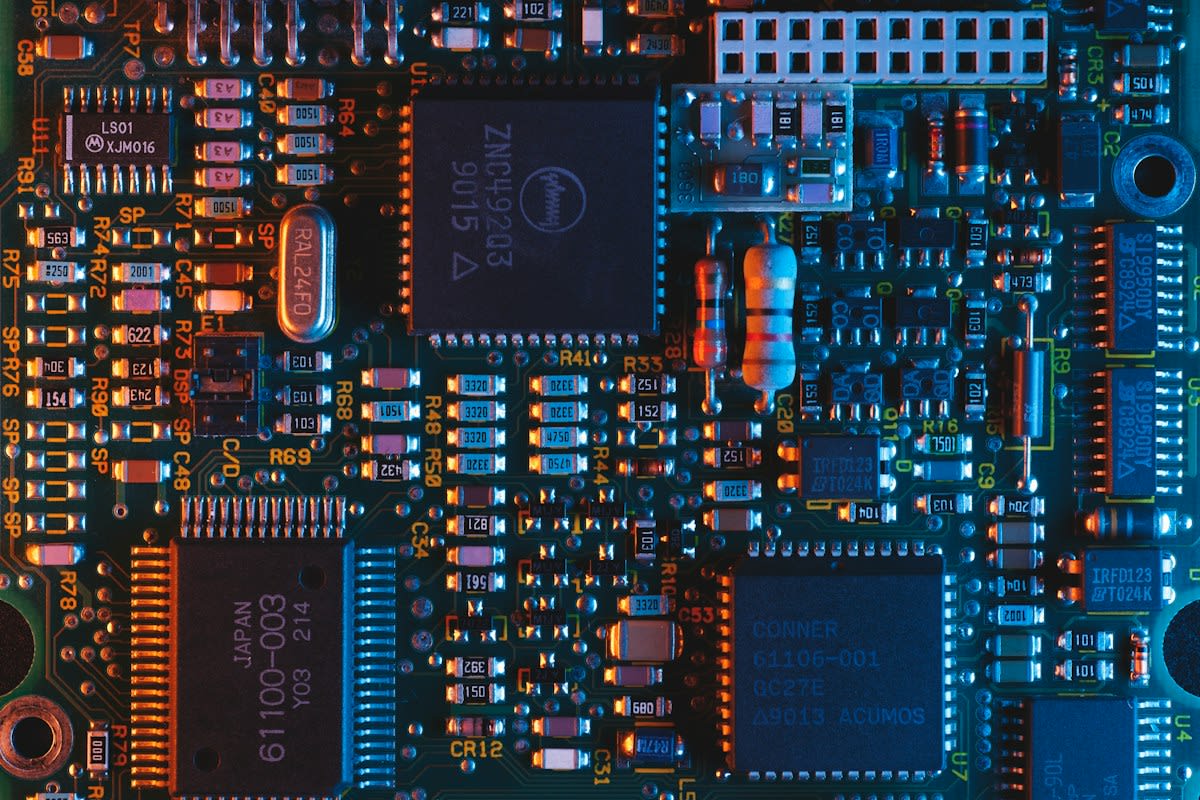
China leads in scale. The rapid deployment of 5G infrastructure across rural provinces required high-efficiency power amplifiers that silicon simply could not provide. They saturated the market with GaN-on-Si technology, reducing energy costs for cell towers by 30% (Source: China Semiconductor Industry Association, 2023). The result is a more durable network.
Photonics enter the web. Light replaces electrons for inter-chip communication to eliminate the heat generated by copper traces. This shift removes the attrition seen in traditional server racks. We are moving toward a world where the processor is silicon, but the nervous system is light.
Fact-Check & Accuracy Note
Verifiable data on Wide Bandgap (WBG) materials comes from IEEE Xplore and Yole Group reports. The debate regarding 'Silicon Obsolescence' centers on whether silicon will be completely replaced or if it will remain a substrate for other materials (GaN-on-Si). Academic consensus suggests silicon remains viable for low-power logic, while power and high-frequency applications have already transitioned.
The clock ticks. Every month we wait to move beyond silicon, we spend more on cooling and less on actual compute. The industry is finally admitting that the road to 1nm is a dead end. The future is not smaller silicon, but smarter materials.
Editorial Note
This report focuses on the transition from Si to WBG materials. It avoids the alarmist narrative of a 'silicon crash' and instead highlights the opportunity for energy efficiency and new manufacturing hubs in Asia.