
The New State-Private Nexus
NASA and the Small Business Administration signed a Memorandum of Agreement on June 30, 2026. This deal leverages the Small Business Investment Company (SBIC) framework to funnel private capital into the domestic space sector. Public funding is no longer the primary engine of orbital ambition.
Contrast this with the humanitarian collapse in the Middle East. Secretary-General Antonio Guterres warned on July 1, 2026, that UNRWA is nearing a breaking point. A $100 million funding gap now jeopardizes the agency's mandate. US funding vanished in January 2024, proving that multilateralism is currently a political liability.

Intelligence Note
Capital is not disappearing; it is migrating. The state is abandoning direct operational costs in favor of incentivizing private risk.
The Gulf Debt Pivot
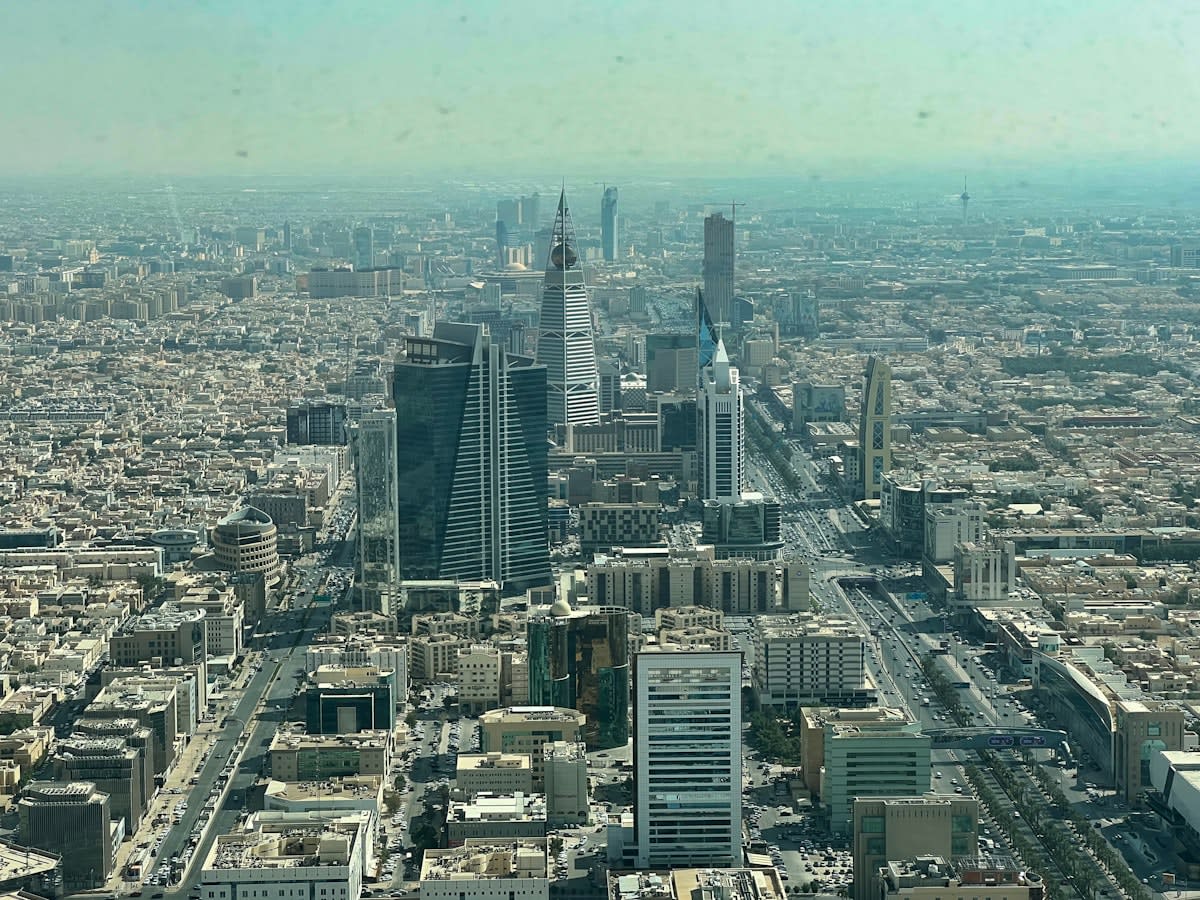
Saudi Arabia is rewriting the startup playbook. Private debt hit $4.1 billion across the Gulf Cooperation Council (GCC) in 2025. Saudi Arabia claimed $3.9 billion of that total. Non-dilutive financing has officially overtaken venture capital as the primary growth engine for the region.
| Funding Type | GCC Total (2025) | Saudi Arabia Contribution |
|---|---|---|
| Private Debt | $4.1 billion | $3.9 billion |
| Venture Capital | $3.3 billion | Not Specified |
Fintech dominates this trend. Approximately 96 percent of all private debt deployment in the GCC went to fintech. This represents a concentrated bet on digital infrastructure over diversified industrial growth.
Institutional Retreat and Realignment
BlackRock is cooling on emerging markets. The Investment Institute shifted its hard-currency debt outlook to neutral on June 30, 2026. Euro zone government bonds are now the preferred hedge for the world's largest asset manager.
Fundamentals have improved, yet risk-reward profiles are shifting. Local currency debt remains attractive, but the broader appetite for emerging market stocks is waning. Capital is fleeing volatility for the perceived safety of European sovereign debt.
GCC Funding Shift (2025)
Executive Insight
+18.4%
YTD Growth
Global liquidity is consolidating around strategic hubs. Space is becoming a private-public hybrid. Humanitarian aid has become a weapon of diplomatic attrition. Debt is replacing equity in the Gulf.