
The Physical Cost of Last-Mile Logistics
Hardware dies. A single pothole on a road in Indiranagar can snap a chassis or strip a gear in seconds. This physical reality outweighs any algorithmic elegance provided by foundation models. X Square Robot is chasing a RMB 20 billion valuation by building embodied AI, yet the silicon doesn't matter if the axle breaks. Reality is a grinding stone that eats expensive prototypes for breakfast.
Bengaluru presents a chaos that makes the controlled environments of Hsinchu chip fabs look like vacuum chambers. Dust from construction and monsoon sludge clog optic sensors within minutes. Logistics operators cannot rely on a single, massive vehicle to navigate these arteries. Small, expendable units are the only logical answer. We are talking about a shift toward decentralized intelligence that mirrors biological survival.
Prerequisites for Swarm Deployment
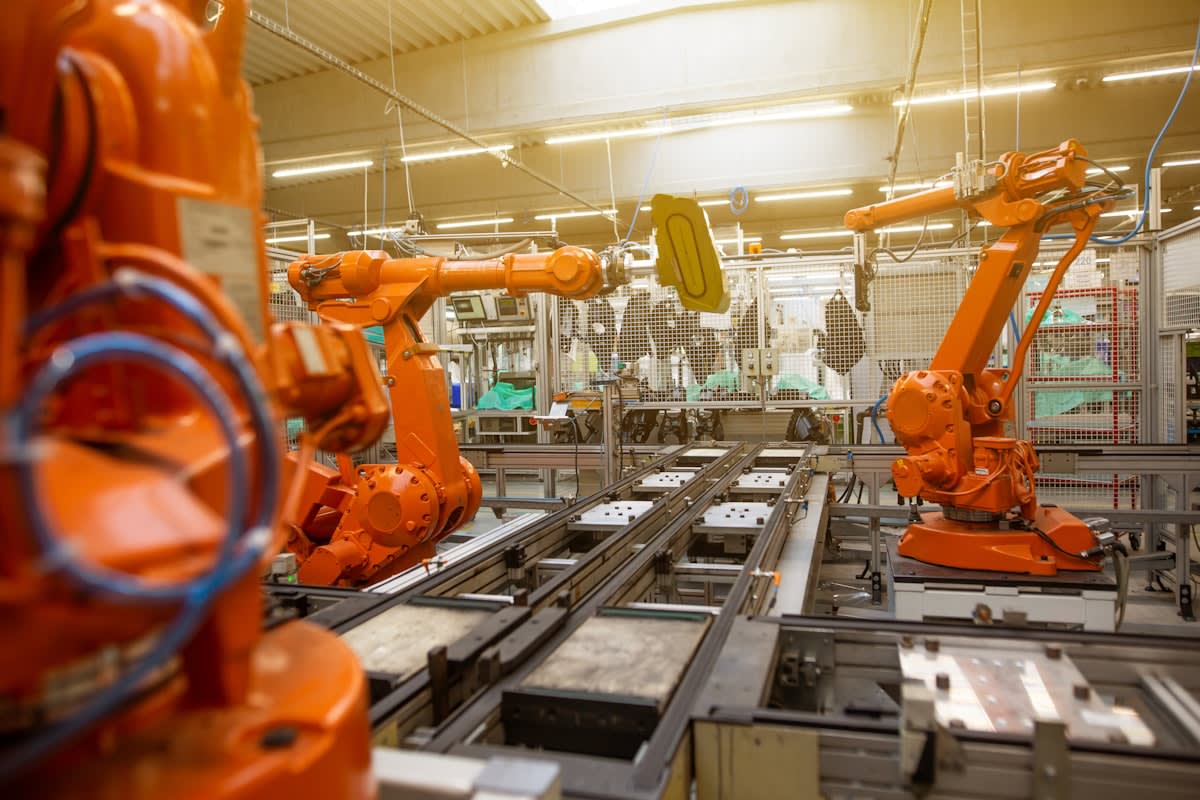
Preparation starts with the metal. You cannot run a swarm on plastic toy frames if you intend to survive a night shift in a Tier-2 city. Heavy-duty actuators and weather-sealed casings are non-negotiable. If the internals aren't vacuum-sealed, the humidity will fry the boards before the first delivery is completed. Power density is the next hurdle. Hydrogen-powered logistics, like those Hyundai deployed at Le Mans, offer a glimpse into the energy density required for high-uptime operations.
- Embodied AI foundation models (e.g., WALL family) for environmental adaptation.
- QUANXTA Zero Series hardware for high-fidelity training data collection.
- Bio-inspired decentralized logic based on ant-colony optimization.
- High-torque, weather-resistant chassis capable of traversing unpaved surfaces.
- Hydrogen fuel cells or high-density swaps to avoid the charging-port bottleneck.
The Adelaide Metric
The University of Adelaide proved that bio-inspired strategies can cut simulated haul distances by up to 80%. In the city, this translates to fewer dead-head trips and faster drop-offs.
Intelligence must be distributed. Relying on a central server in a city with sporadic power stability is a recipe for a bricked fleet. Each unit needs enough local compute to make a decision when the signal drops. X Square's focus on a full-stack approach to embodied AI is the correct move. They aren't building a tool; they are building a nervous system for the machine.
Implementation: The Ant-Strategy Workflow
Efficiency comes from specialization. The University of Adelaide's ant strategy divides the workload between two distinct roles to maximize throughput. One robot explores the haul route and collects the material, while the other focuses exclusively on the transport back to the base. This eliminates the wasted energy of a single unit backtracking through congested corridors. Apply this to the Bengaluru gridlock, and you have a scout-and-carrier system.
- Deploy scout units to map real-time congestion and identify the path of least resistance.
- Initiate carrier units to move payloads from the 30,000+ restaurant hubs to the 4,000+ office clusters.
- Sync carrier paths using the WALL foundation model to avoid swarm-induced bottlenecks.
- Utilize the 10 PM to 5 AM window—the Late Night Eats timeframe—to optimize route velocity.
- Execute a continuous data loop via QUANXTA Zero to refine the model based on actual street failures.
Timing is everything. Swiggy's Late Night Eats program targets a specific window where human traffic drops but professional demand spikes. This is the golden hour for robotics. Between 10 PM and 5 AM, the physical constraints of the city soften. Robots can move faster with less risk of human interference, turning the urban jungle into a manageable grid.
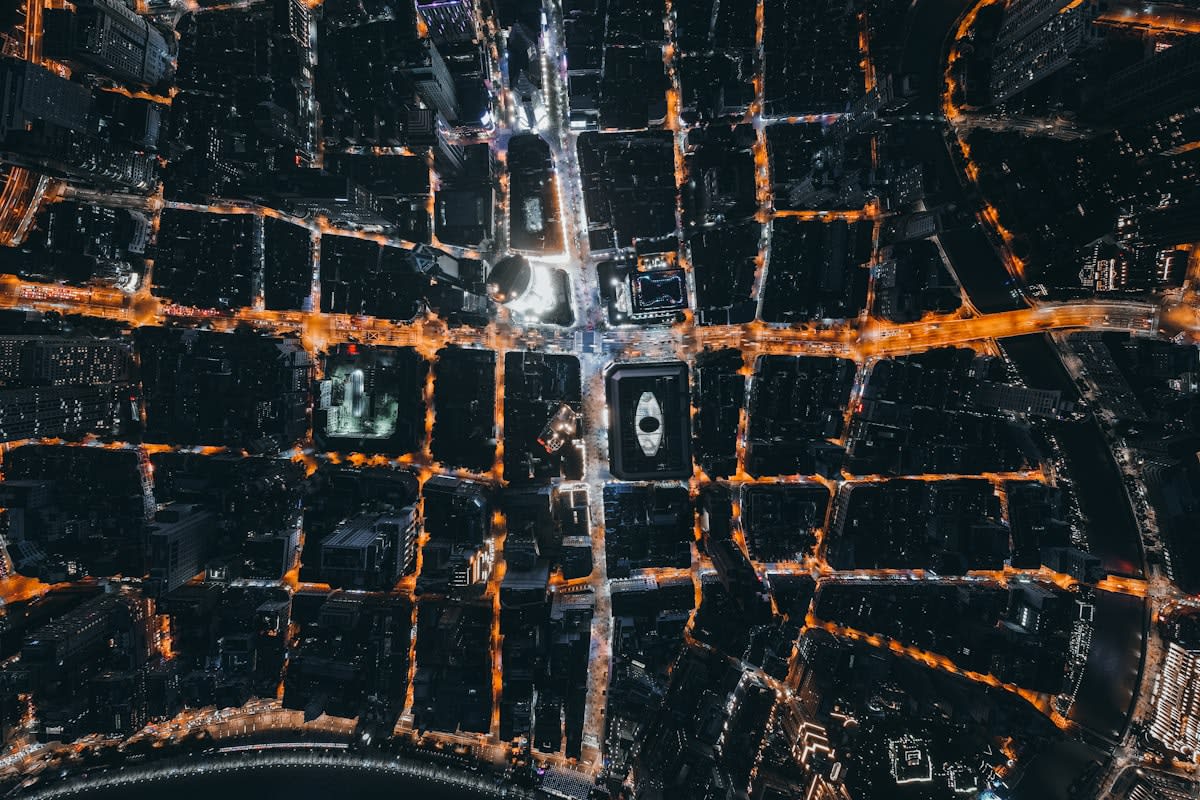
Scale requires brutal consistency. Look at the private fleets dominating the FleetOwner 500, such as Comcast. They don't win through innovation alone; they win through registered power units and relentless maintenance. A swarm is only as strong as its weakest motor. If five percent of your bots are dead in a ditch, your decentralized intelligence is compromised.
The Math of Decentralized Logistics
Calculations must account for the energy cost of a failed trip. A robot that gets stuck is not just a lost asset; it is a blockade for the rest of the swarm. We measure success by the reduction in haul distance, not the speed of a single unit. The Adelaide study showed an 80% reduction in distance—that is the target. Anything less is just an expensive science project.
| Metric | Standard Fleet | Bio-Inspired Swarm |
|---|---|---|
| Haul Distance | 100% (Baseline) | 20% (80% reduction) |
| Energy Use | High (Single Large Unit) | Low (Distributed Small Units) |
| Failure Impact | Total Route Blockage | Negligible (Swarm Reroutes) |
| Deployment Window | 24/7 (High Friction) | 10 PM - 5 AM (Low Friction) |
Hardware constraints dictate the software. If the motors can't handle a 15-degree incline on a broken sidewalk, the most advanced AI in the world won't help. This is why X Square's investment in the physical hardware side of the full-stack is critical. They are fighting a war against gravity and friction. The winner will be whoever builds the toughest bot, not the smartest one.
Common Pitfalls and Physical Failures
Overconfidence in simulation is the first mistake. A lab-scale platform that replicates mine haul routes is a far cry from a street in Bhubaneswar or Kochi. Sensors that work in a clean room fail in the smog. You will see your bots spinning in circles because a piece of plastic trash blinded their LIDAR. This is the ugly reality of the field.
Energy starvation kills the swarm. When you scale to 30,000 restaurants, the charging infrastructure becomes the primary bottleneck. If your bots spend four hours charging for every one hour of delivery, your efficiency is a lie. This is where the hydrogen logistics seen at Le Mans become relevant. Rapid fueling is the only way to maintain a true 24/7 presence.
- Sensor Blindness: Dust and rain creating ghost obstacles in the AI's path.
- Chassis Fatigue: Metal stress from repetitive vibration on unpaved roads.
- Battery Thermal Runaway: Overheating during high-torque climbs in tropical heat.
- Signal Dead-Zones: Complete loss of coordination in high-density concrete corridors.
- Swarm Congestion: Robots blocking each other at high-demand drop-off points.
Maintenance is the silent killer. Most firms forget that robots need grease and bolt-tightening. A swarm of 1,000 units is a maintenance nightmare. Without a dedicated robotic pit crew, your fleet will degrade into a collection of expensive scrap metal within six months. Discipline in the workshop is more important than brilliance in the boardroom.