The Illusion of the End-Product
The hardware is a distraction. While the world watches the processor, the real war is fought in the control layer—the invisible plumbing that decides if a system actually works or just looks good in a press release. Take quantum computing. Everyone talks about Quantum Processing Units (QPUs), but the actual bottleneck is stability. Quantum Machines has recognized this, focusing not on the processor itself but on the control and operation systems. They call it the brain of the quantum computer. Without this layer, a QPU is just an expensive science project; with it, it becomes a reproducible computing resource.
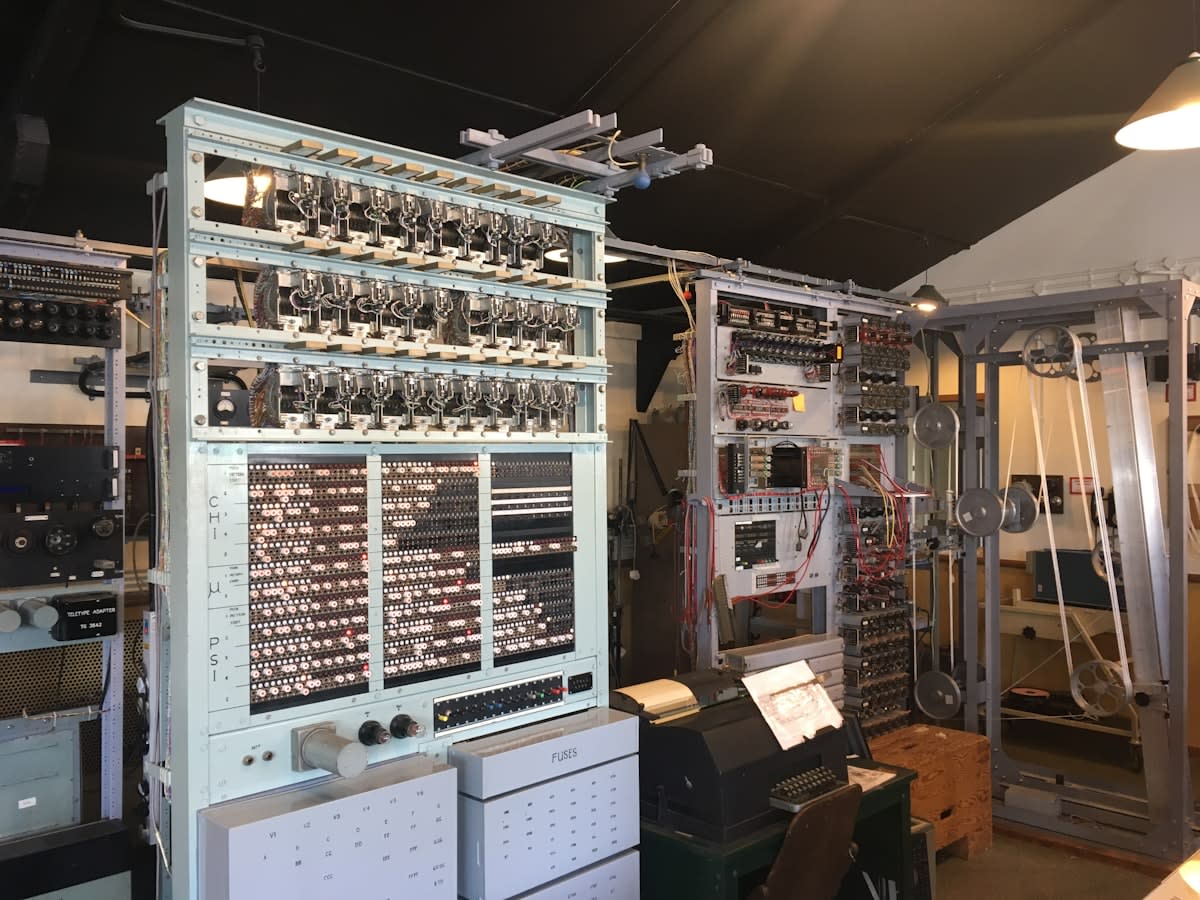
Even at the bleeding edge of security, we see this tension. A recent implementation of secure multi-party biometric verification using Quantum Oblivious Transfer (QOT) and Quantum Key Distribution (QKD) proves that the physical layer can handle authentication. However, the reality is sobering: the QOT rate currently sits at 1 minute and 53 seconds per OT. The limitation isn't the theory; it is the entanglement source. We are witnessing a slow evolution where the theoretical possibility of secure communication is constantly throttled by the physical reality of the hardware pipeline.
This obsession with the 'final result' over the 'control mechanism' isn't limited to laboratories. It is a systemic failure that manifests in our financial systems with devastating precision.
The High Cost of Rushing the Plumbing
Look at Zelle. In a rush to capture the market, the network seemingly ignored the basic safeguards required to protect consumers. The CFPB alleges that Capital One's actions cost customers more than $2 billion in potential interest payments. This isn't just a glitch; it is a governance failure. When JPMorgan Chase, Wells Fargo, and Bank of America account for 73% of Zelle's activity, the lack of meaningful anti-fraud rules becomes a systemic risk rather than a series of isolated incidents.
"EWS knew from the beginning that key features of the Zelle network made it uniquely susceptible to fraud, and yet it failed to adopt basic safeguards to address these glaring flaws."— New York AG's Office
| System | Critical Control Layer | Primary Bottleneck | Real-World Impact |
|---|---|---|---|
| Quantum Computing | Quantum Control (The Brain) | Stability & Reproducibility | Inconsistent QPU performance |
| Digital Payments | Anti-fraud Safeguards | Market Entry Speed | $2 Billion in potential losses |
| Environmental Mgmt | River Master Studies | Funding Scarcity | Unmitigated flood hazards |
| Biometric Security | QKD/QOT Pipeline | Entanglement Source | 1m 53s per OT rate |
The pattern is clear: when we prioritize the interface over the infrastructure, we create fragility. Whether it is a fraudulent bank transfer or a quantum decoherence event, the cause is the same—a neglected control layer.
When Geography and Geopolitics Fail
This fragility extends to the physical world. In Stillwater County, the legacy of a June 2022 flood is still being managed. The county has commissioned a $230,000 master study of the Stillwater River Basin. Why? Because the river jumped its banks and reshaped the valley, and without a documented study of erosion hazards, landowners cannot compete for scarce federal and state funding. It is a literal example of how failing to control the environment leads to a desperate scramble for recovery funds years later.

On a global scale, the lack of control manifests as erratic violence. In the West Bank, the indictment of six individuals, including five minors, for arson attacks in Deir Dibwan highlights a breakdown in social control. Simultaneously, in the Strait of Hormuz, we see a cycle of retaliation. US forces struck Iranian missile, drone, and radar sites; the IRGC responded by targeting US positions. These are not strategic moves; they are reflexive reactions in a region where the diplomatic control layer has completely dissolved.
The Systemic Lesson
The common thread across quantum physics, fintech, and geopolitics is the failure to maintain the 'middle layer'. We build the towers (the QPUs, the apps, the military bases) but forget to maintain the foundations (the control systems, the fraud rules, the treaties).
The path forward requires a transition toward optimistic realism. We must stop celebrating the launch and start auditing the architecture. The winners of the next decade won't be those who build the fastest processor or the flashiest app, but those who master the boring, difficult work of the control layer.