
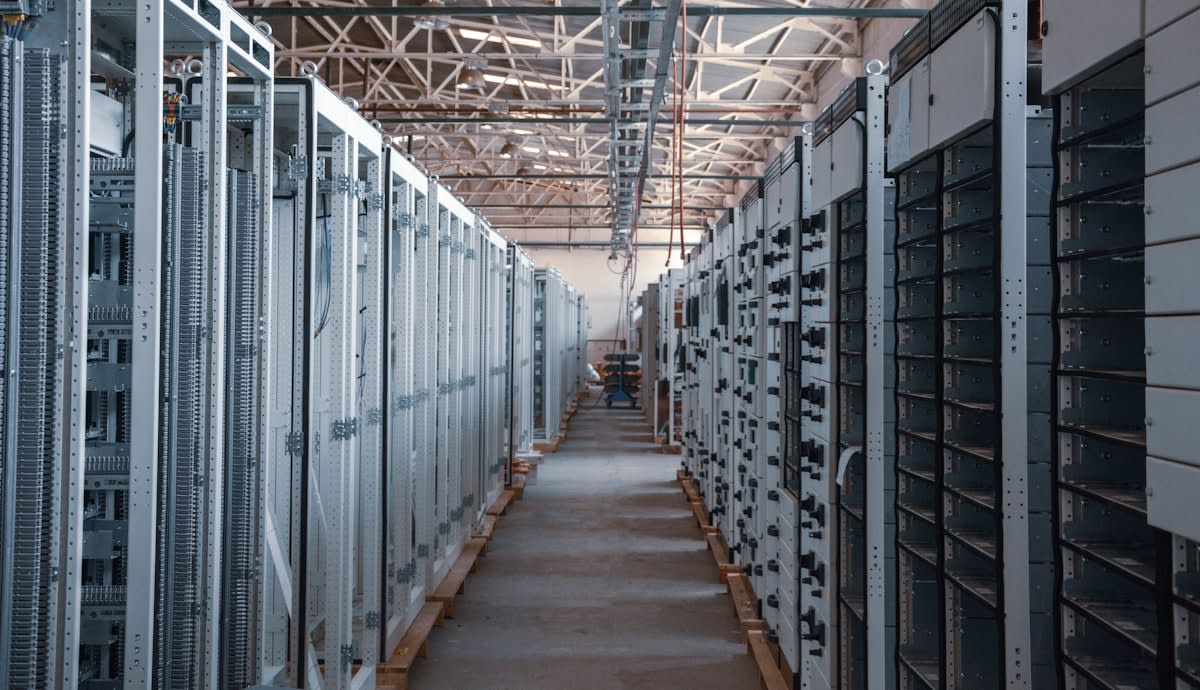
The narrative of artificial intelligence for the last decade has been one of invisibility. We were told the 'cloud' was the destination—a seamless, infinite expanse of compute where intelligence lived and breathed, accessible via a thin sliver of internet connectivity. But by July 2026, that illusion has shattered. The industry is currently undergoing what can only be described as The Great Localize. We are seeing a violent pivot away from the centralized ether and back into the tangible world of silicon, copper, and industrial steel. Why now? Because the cloud has become a bottleneck, not a bridge.
The friction is no longer theoretical; it is operational. Recent data reveals a staggering inefficiency in how enterprises interact with the cloud. IT teams are now spending an average of more than 11 hours every single week simply sorting out cloud connectivity problems. When nearly two full workdays are consumed by the plumbing of the internet, the promise of 'seamless' AI integration becomes a liability. This isn't just a technical glitch; it is a productivity hemorrhage that is forcing companies to rethink where their intelligence actually resides.
The Infrastructure Paradox
While the world focuses on software updates, the real war is being fought over power allocations, grid connections, and the physical footprint of compute. The shift to the edge is a survival mechanism for an industry that has outgrown its own infrastructure.
The financial commitment to the cloud remains massive, but the nature of the spending is shifting. Global investments in data center infrastructure are projected to hit almost $7 trillion by 2030. The United States is claiming a lion's share of this, accounting for over 40% of that spend, while the UK has poured $60 billion into private-sector AI infrastructure since July 2024. Yet, this spending isn't just about building bigger warehouses for servers. It is about creating direct connectivity via cloud and AI exchanges to reduce reliance on the public internet. The goal is clear: gain control over latency, reliability, and data flows by bringing the compute closer to the source.
| Metric | Cloud-Centric Era | The Localize Era (2026+) |
|---|---|---|
| Primary Constraint | Software Latency | Energy & Copper Scarcity |
| IT Maintenance | Application Updates | Connectivity & Grid Stability |
| Compute Location | Regional Data Centers | On-Device / Orbital / Edge |
| Key Asset | API Access | Power Allocations & Land |
But the shift isn't just about connectivity; it is about the raw physics of power. We have entered an era of scarcity. The appetite for electricity is reshaping power and infrastructure markets globally. This scarcity has created a strange bedfellows scenario: Bitcoin miners. For years, crypto miners secured the very assets AI developers now crave—large power allocations, cooling systems, and grid connections. We are now witnessing a systemic evolution where crypto-mining operations are transforming into high-performance AI infrastructure businesses, simply because they already own the electricity.
As terrestrial power hits a ceiling, the industry is looking upward. SpaceX is no longer just a launch provider; it is evolving into an AI infrastructure company. The logic is simple: if the earth's grid is too strained to support the next leap in compute, move the compute to orbit. Orbital compute ambitions are unlocking a new wave of launch demand, effectively treating space as the ultimate edge-computing node. This move represents the extreme end of the localization trend—moving the brain of the AI entirely off-planet to bypass terrestrial bottlenecks.
Closer to the ground, the rise of 'Physical AI' is manifesting in the industrial heartlands. Take the recent expansion of Hellbender in Pittsburgh. By doubling its footprint at the Roundhouse at Hazelwood Green and opening manufacturing operations at Mill 19, Hellbender is scaling the production of integrated perception systems and edge-computing boards. This isn't about chatbots; it is about the hardware that allows robots and autonomous equipment to think in real-time without waiting for a signal to travel to a server in another time zone. The company expects to create over 500 jobs in the next five years, signaling a return to hardware-centric economic growth.
"The move toward Physical AI infrastructure is a recognition that for a machine to be truly autonomous, its intelligence cannot be leased from a cloud provider; it must be embedded in its own circuitry."— Industry Analysis on Physical AI
This democratization of edge intelligence is further accelerated by the convergence of open-source philosophy and corporate muscle. The acquisition of Arduino by Qualcomm is a watershed moment for robotics. By blending Qualcomm's AI computing power with Arduino's developer ecosystem, the barrier to entry for creating intelligent machines has plummeted. The rollout of new hardware, such as the Uno Q and Ventuno Q, is designed to accelerate the journey from a crude prototype to a production-ready autonomous system.
- Reduction of latency by processing data at the point of perception.
- Decreased reliance on volatile public internet connectivity.
- Optimization of energy use by avoiding massive data transfers to central hubs.
- Enhanced security through localized data residency.
Comparing today's landscape to the state of AI just twelve months ago reveals a stark delta. A year ago, the conversation was dominated by the size of Large Language Models (LLMs) and the cost of tokens. Today, the conversation is about copper, cooling, and 'on-edge' camera lines. We have moved from the era of the 'Model' to the era of the 'Machine.' The focus has shifted from how an AI can write a poem to how an AI can navigate a factory floor without a millisecond of lag.
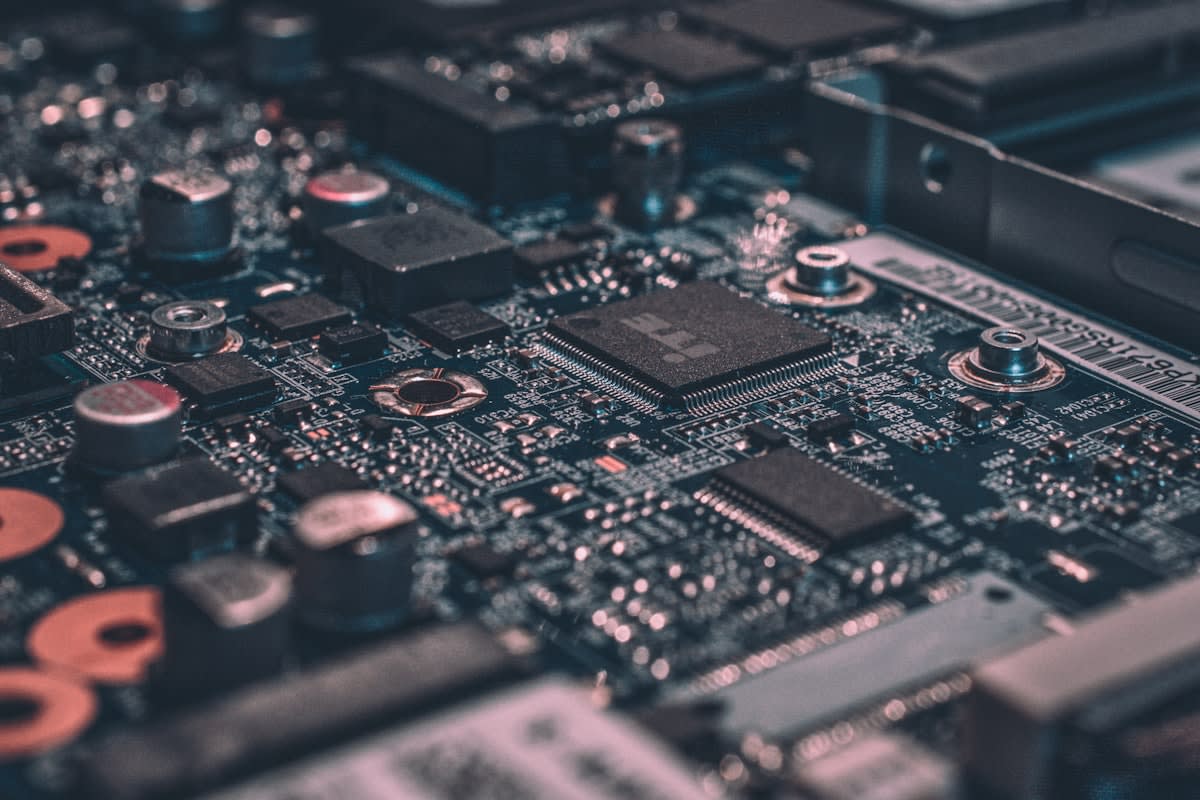
Is this a retreat from the cloud? Not exactly. It is a maturation. We are seeing a hybrid architecture where the cloud is used for heavy training and global orchestration, while the 'inference'—the actual decision-making—is localized. The $7 trillion investment in infrastructure isn't just for bigger clouds, but for a more distributed, resilient network of AI exchanges and edge nodes that can survive the failures of the public internet.
The implications for the global workforce are profound. The growth of companies like Hellbender suggests that the AI revolution is bringing high-tech manufacturing back to industrial hubs. The creation of 500 jobs in Pittsburgh is a microcosm of a larger trend: the AI boom is finally touching the physical economy. We are moving past the phase of digital experimentation and into a phase of industrial deployment.
AI Infrastructure Investment Distribution (Projected 2030)
Executive Insight
+18.4%
YTD Growth
As we look toward the end of the decade, the winners will not be those with the best algorithms alone, but those who control the physical layer. Whether it is SpaceX securing orbital slots for compute or Qualcomm dominating the edge-robotics hardware, the new frontier is tangible. The Great Localize is a reminder that no matter how advanced our software becomes, it still requires a place to live, a wire to connect, and a massive amount of power to think.