
Prerequisites for High-Density Compute
Heat kills servers. When ambient temperatures hit triple digits, the delta between chip heat and outside air vanishes. Physics doesn't care about your software stack.
- CoolChip CDUs (Coolant Distribution Units) for liquid cooling
- Modular Power Skids to bypass traditional site builds
- Linear generators for non-grid energy independence
- High-density Power Modules for AI-specific loads
- Water-resilient site selection data
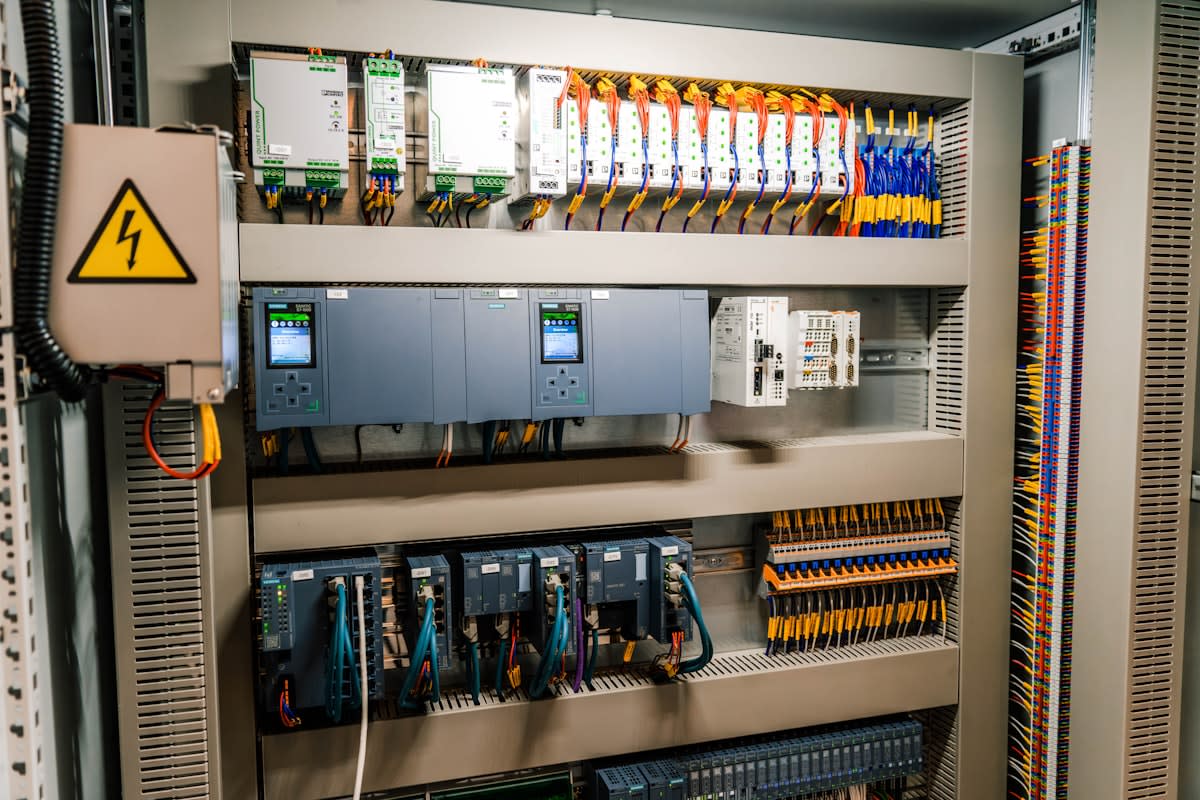
Implementation Steps for Thermal Stability
- Audit regional climate risk. Use First Street data to identify if your site falls within the 54 percent of global capacity exposed to growing heat risks.
- Secure power independently. Avoid utility queues that currently stretch to seven years by deploying linear generators and on-site energy.
- Install modular hardware. Use pre-tested systems like Vertiv SmartRun to cut deployment time by 50 to 85 percent compared to traditional builds.
- Verify water availability. Cross-reference your cooling needs against local drought data to avoid the operational friction of water-stressed regions.
- Deploy liquid-to-chip cooling. Move away from air-cooled racks which fail during triple-digit heatwaves and high humidity.
Hardware deployment is a race against the thermometer. Local realities vary wildly between the Johor manufacturing hubs in Malaysia and the drought-stricken zones of North America.
| Region | Data Center Capacity at Heat Risk |
|---|---|
| Asia-Pacific | 89% |
| Europe | 50% |
| North America | 46% |
| Global Average | 54% |
Regional Heat Risk Exposure
Executive Insight
+18.4%
YTD Growth
Energy security is the next bottleneck. Brookfield is betting on Indian renewables to feed AI demand, but the physics of delivery remains a problem.
"The industry’s response so far has been to reach for the same gas turbines and engines that have powered the grid for fifty years."— Vinod Khosla
The Water Lie
TechUK claims 51 percent of data centers use waterless cooling. Environment Agency analysis proves hybrid systems are still water intensive, creating massive spikes in demand during heatwaves.
Field-tested reality shows that hybrid cooling is a gamble. Water-stressed regions cannot support the seasonal spikes required by AI clusters during extreme heat.
Common Pitfalls
- Trusting lobbyist claims about waterless cooling in hybrid systems
- Overestimating grid capacity in regions with 7-year connection queues
- Ignoring humidity factors that render standard air conditioning useless
- Building custom infrastructure instead of using modular power skids
- Selecting sites in the Asia-Pacific region without liquid-to-chip hardware
Failure is expensive. When the cooling fails, the compute stops, and the capital evaporates.