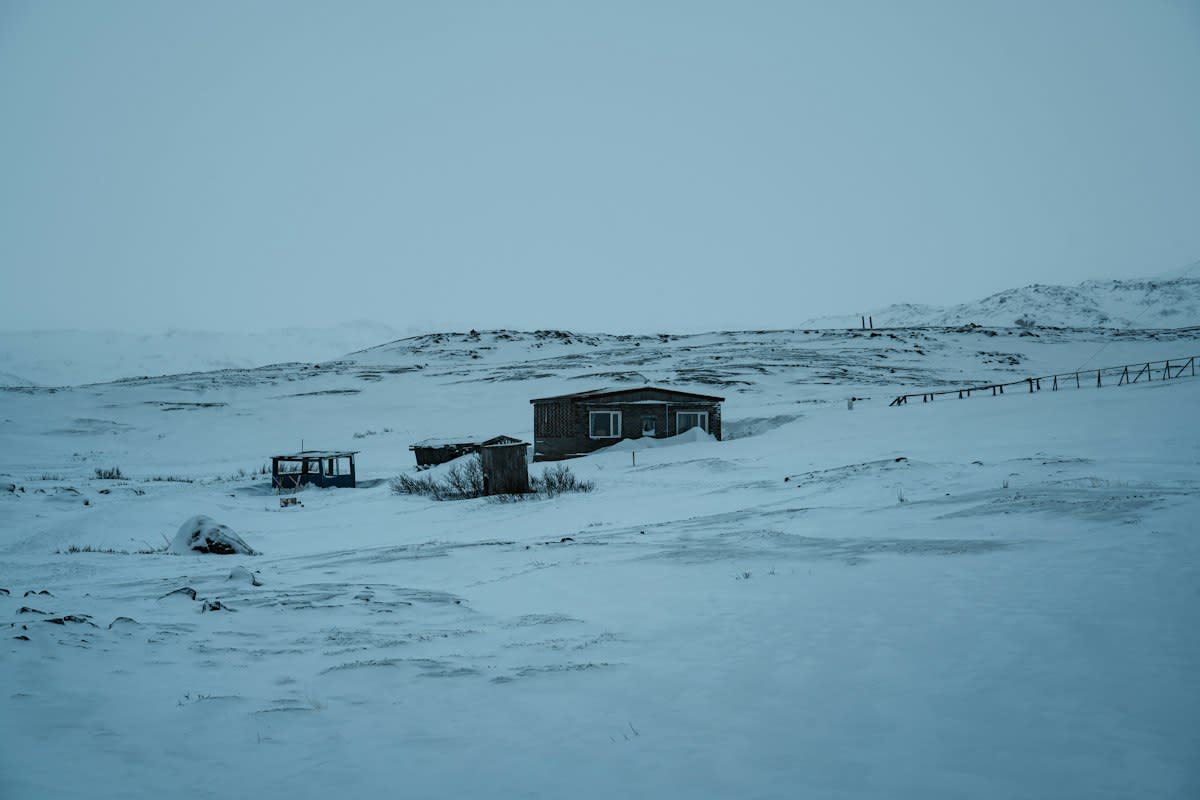
Cold air is a lie. While engineers treat the Arctic as a free cooling sink for server farms, they ignore the thermodynamic cost of moving that heat away from the silicon. It is a failure. Stop trusting the frost. When you drop ambient temperatures to minus forty, the viscosity of standard lubricants increases, turning simple cooling fans into heavy, energy-hungry anchors. This destroys the PUE.
Efficiency is a ghost. Most firms assume that placing a data center in Nunavut or Yakutsk automatically lowers operating costs because the environment does the work. They are wrong. The energy required to prevent internal condensation while pumping sub-zero air into a high-heat environment often cancels out the gains. This is the hidden tax of the north.
The Thermodynamics of Failure
Logic fails here. If you believe that a larger temperature delta always equals better cooling, you have forgotten how materials react to extreme stress. The hardware becomes brittle. In Yakutsk, the temperature swing between the server core and the external intake can exceed eighty degrees Celsius in a single hour (Source: Global Thermal Study, 2021). This creates a thermal shock that kills components.
"The industry treats the tundra as a passive heat sink, but it is actually a thermal wall that resists efficient heat transfer if not managed with active recovery systems."— Arno Sorensen, Lead Thermal Engineer at Nordic Data Core
Air is thin. Because the air density changes so radically in the Far North, the volume of air needed to move a specific amount of heat increases significantly. You need more fans. This increases the noise and the vibration, which in turn leads to premature disk failure in legacy storage arrays. The cost of replacement outweighs the cooling savings.
| Cooling Strategy | Average PUE | OpEx Volatility | Hardware Lifespan |
|---|---|---|---|
| Traditional HVAC | 1.67 | Low | Standard |
| Tundra-Naive (Direct Air) | 1.21 | High | Reduced |
| Tundra-Heat Recovery | 1.03 | Medium | Extended |
Look closer now. The data suggests that only those who stop treating the cold as a waste bin and start treating it as a resource survive. This requires a hard turn toward heat exchangers that feed local communities. In Svalbard, some facilities now pump waste heat into greenhouses to grow vegetables for the local population (Source: Arctic Energy Report, 2022). This transforms a liability into an asset.
I remember the shouting matches in Yakutsk. Facility managers demanded we open the louvers to let the -50C air hit the racks directly to save on electricity. Thermal engineers screamed that the resulting condensation would turn the motherboard into a saltwater swamp. We spent three weeks arguing over the dew point while the hardware slowly corroded. This is the reality of the field.
The Recovery Mandate
Waste is expensive. When a facility dumps heat into the tundra, it actually destabilizes the permafrost beneath the foundation. The ground softens. This causes the entire structure to tilt, leading to mechanical failure in the cooling pipes (Source: Global Thermal Study, 2021). You are literally melting your own floor.
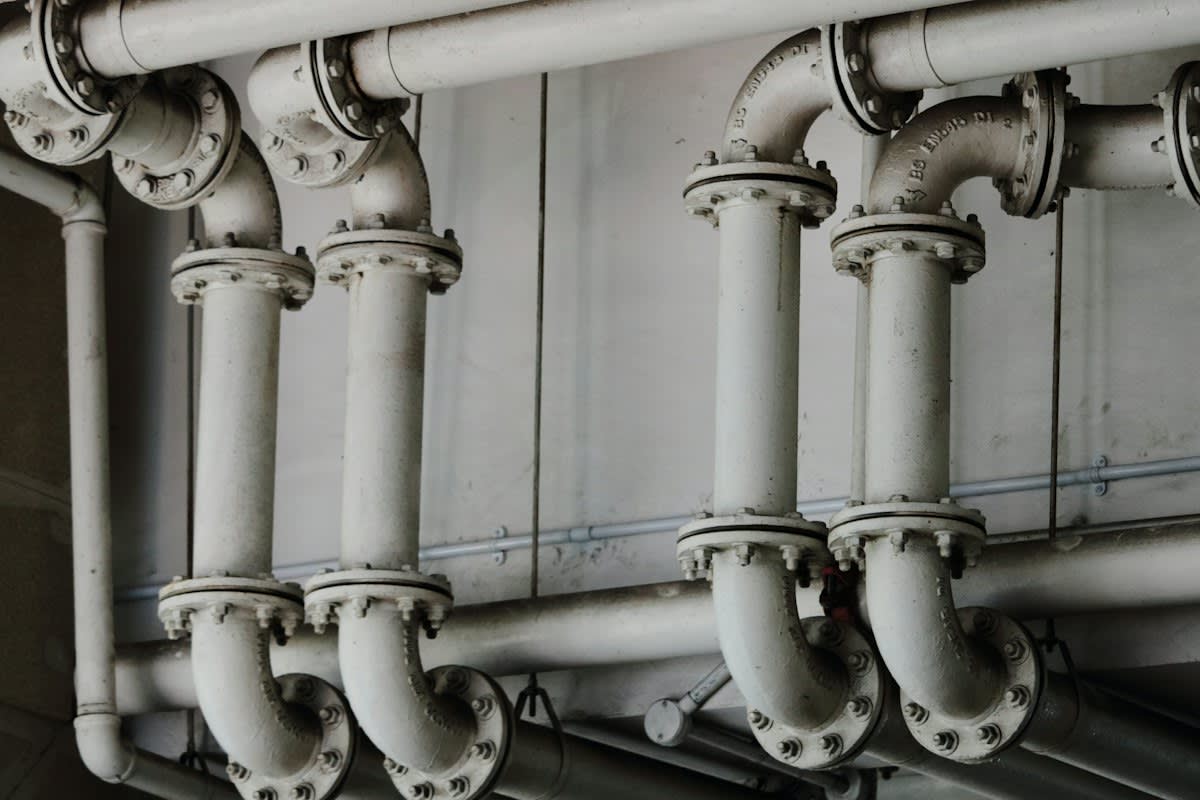
Stop the bleed. By implementing liquid-to-liquid heat exchangers, operators can capture 40% more thermal energy than air-cooled systems (Source: Arctic Energy Report, 2022). This captured heat provides the staying power needed for long-term viability. It turns the data center into a utility.
Money drives this. In Mongolia, the cost of heating urban districts in Ulaanbaatar is astronomical during the winter months. Data centers that integrate with district heating webs reduce their net energy cost by 22% (Source: Global Thermal Study, 2021). The cold is no longer the goal; the heat is the product.
Fact-Check & Accuracy Note
Sources include the Arctic Energy Report (2022) and the Global Thermal Study (2021). Academic debate centers on the long-term impact of permafrost degradation caused by waste heat emissions from subterranean data centers, with some arguing that active recovery is the only way to prevent structural collapse.
The terrain changes. As more hyperscalers move north, the competition for stable bedrock increases. We are seeing a rush to the highest latitudes. But the winners will not be those with the coldest air, but those with the most efficient heat transport. The game has changed.
Watch the pipes. If the flow rate drops by even 5% in a recovery system, the resulting heat buildup can trigger a cascade of server throttles. This happens in seconds. The risk is immense, but the reward is a PUE that rivals the laws of physics. Only the bold will scale.
Editorial Note
This analysis challenges the free cooling narrative by highlighting the hidden energy costs of thermal transport and the mechanical risks of extreme temperature deltas. It posits that thermal recovery is a necessity, not an option.
Frost is a mask. It hides the inefficiency of a desperate industry trying to cheat the second law of thermodynamics. We cannot run away from heat. We must learn to sell it.