500 Lines or Less A 3D Modeller
Source Entity
Hacker News
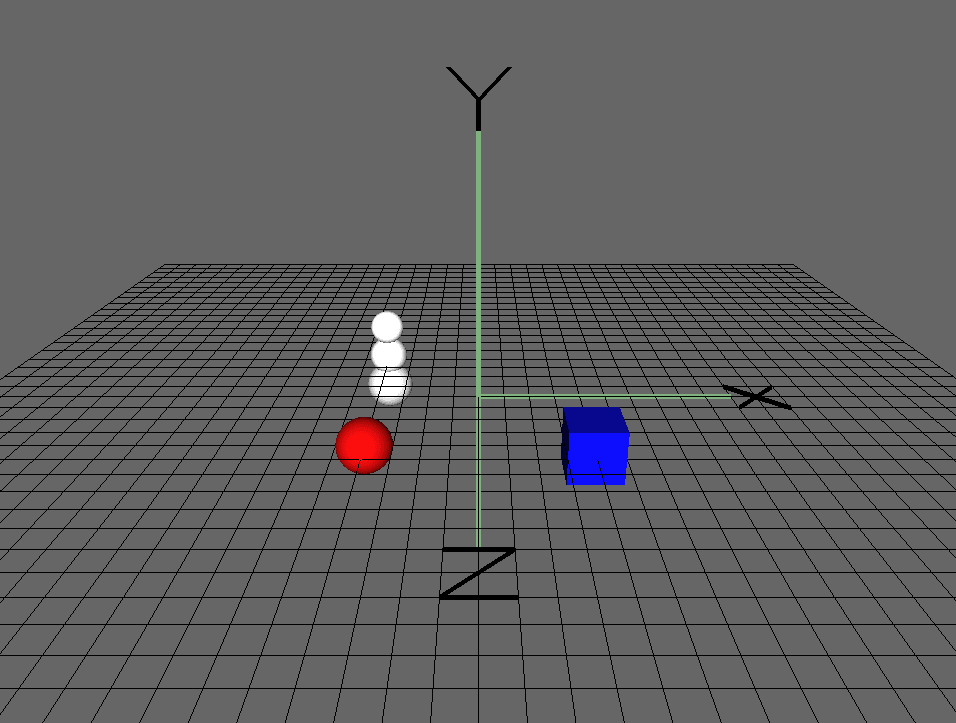
Erick Dransch's '500 Lines or Less' project provides an educational exploration into the fundamental mechanics of 3D modeling software. By distilling complex CAD principles into a concise codebase, the project serves as a foundational resource for developers interested in computer graphics.
Understanding the Foundations of 3D Modeling
In the realm of software engineering, the ability to distill complex systems into their most fundamental components is a hallmark of true technical expertise. Erick Dransch’s project, '500 Lines or Less: A 3D Modeller,' serves as an essential educational bridge for developers interested in the mechanics of computer-aided design (CAD). By focusing on a constrained codebase, Dransch illuminates the core logic required to bridge the gap between human creativity and digital execution, providing a transparent view into how we simulate reality within a virtual environment.
The Intersection of Creativity and Computation
Humanity’s innate drive to build and iterate has evolved from physical drafting to sophisticated digital environments. As Dransch notes, CAD software acts as a vital intermediary, allowing for the creation of structures ranging from architectural marvels to intricate digital assets for film and gaming. By exploring the architecture of such software, this project highlights how developers translate abstract concepts into precise, mathematically sound digital representations that can eventually be fabricated or rendered.
Core Mechanics and Abstraction
At the heart of any 3D modeling tool lies the process of abstraction. Dransch’s work emphasizes that these tools are not merely interfaces but systems of logic that manage geometry, vertices, and spatial relationships. By limiting the scope to 500 lines of code, the project strips away the bloat often found in commercial CAD suites, allowing a learner to focus on the essential data structures and algorithms that manage 3D space, which is critical for anyone entering the field of computer graphics.
Professional Application and Technical Breadth
Erick Dransch brings a wealth of experience to this project, having worked across video games, 3D special effects, and CAD development. This diverse background informs the project’s structure, ensuring that the techniques demonstrated are not merely theoretical but are rooted in the practical realities of software development. His focus on 'simulating reality' underscores the complexity of the domain, where precision is paramount to ensuring that digital models behave predictably when converted into physical or animated forms.
Broader Implications for Future Developers
For the next generation of software engineers, resources like '500 Lines or Less' are invaluable. As industries become increasingly reliant on 3D visualization—from generative design in engineering to immersive environments in the metaverse—understanding the 'how' behind the tools is becoming as important as knowing how to use them. Dransch’s contribution serves as a reminder that even the most complex software ecosystems are built upon elegant, manageable, and fundamental code blocks.
Conclusion
Ultimately, the project is more than just a code sample; it is a pedagogical tool that demystifies the black box of 3D modeling. By prioritizing clarity and simplicity, Dransch provides a pathway for developers to gain a deeper appreciation of the geometric engines that power modern design. As we continue to push the boundaries of what can be simulated, the principles outlined in this project will remain a cornerstone for those looking to build the next generation of creative tools.