The AI start-ups fixing India's broken roads and messy land records
Source Entity
BBC News
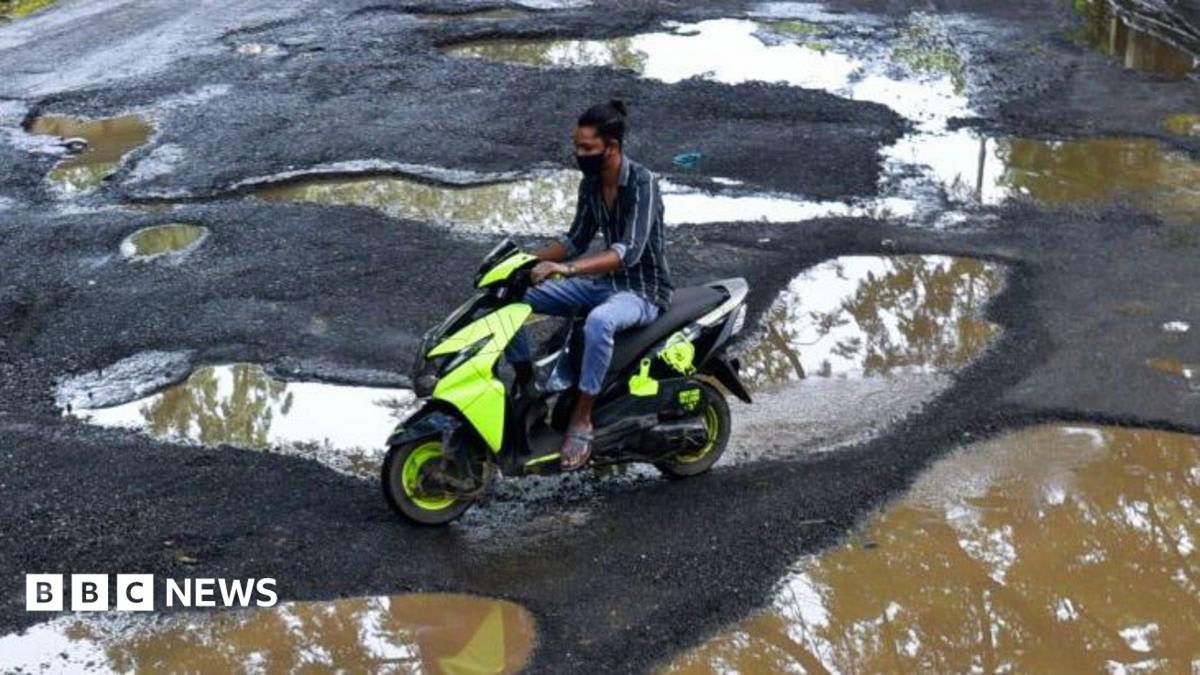
Indian AI start-ups are focusing on practical, localized solutions rather than frontier model development. These companies are effectively leveraging technology to address critical infrastructure and public service gaps.
The Rise of Pragmatic AI in India
India is witnessing a significant shift in its technological landscape as a new wave of start-ups pivots away from chasing the development of frontier language models—a domain currently dominated by the United States and China—to focus on the 'downstream' application of artificial intelligence. While global giants compete to build the next iteration of large-scale generative models, Indian entrepreneurs are identifying and solving uniquely domestic pain points. This pragmatic approach recognizes that the most immediate value for the Indian economy lies in digitizing and optimizing infrastructure, healthcare, and legal systems that have historically been plagued by fragmentation and inefficiency.
Solving Infrastructure and Public Sector Challenges
One of the most visible manifestations of this trend is the use of AI to address physical infrastructure, such as the initiative by Bengaluru-based educator Gaurav Sen, who has developed an app for pothole detection. By utilizing computer vision, these start-ups are transforming how municipal bodies monitor road conditions, turning what was once a manual, error-prone process into a data-driven operation. These innovations are not merely technological novelties; they are essential tools for a nation that requires rapid scaling of public works to support its growing urban population and industrial ambitions.
Navigating Data Fragmentation and Multilingualism
Unlike Western markets that often benefit from standardized datasets, Indian start-ups must contend with extreme data fragmentation and a multilingual reality. Whether it is tribal language translation or digitizing messy land records, these companies are building specialized AI models capable of processing non-standardized information. This capability is a competitive advantage; by mastering the ability to extract actionable insights from 'messy' data, these start-ups are creating robust solutions that are highly resilient to the complexities of the Indian demographic and geographic landscape.
Impact on Healthcare and Social Services
Beyond infrastructure, the application of AI in the healthcare sector is proving to be a lifeline for overworked professionals. By automating routine medical tasks and assisting with administrative burdens, AI start-ups are effectively amplifying the reach of existing public health resources. This is particularly crucial in an environment where the patient-to-doctor ratio remains a significant hurdle. By integrating AI into the daily workflows of health professionals, these start-ups are providing a scalable solution to a problem that cannot be solved by simply increasing the number of medical practitioners overnight.
Economic Implications and Future Outlook
This trend represents a maturation of the Indian start-up ecosystem, moving from 'copy-paste' models of Western apps to indigenous innovation that targets cost-sensitive industries. Because these services are developed within a price-conscious market, they are inherently designed for efficiency and high-impact, low-cost deployment. As these start-ups continue to refine their models, they are likely to become the primary architects of India’s digital infrastructure, setting a precedent for how emerging economies can leverage AI to bypass traditional development bottlenecks and leapfrog into a more efficient, technology-driven future.