
The New Mineral Frontier
Copper waste fuels growth. 82% of global tailings dams now hold recoverable rare earths (Source: World Bank, 2023). This recovery process turns ash-gray mounds into profit centers. Operators in Jakarta are now using bio-leaching to extract cobalt from old slag. These sites smell sulfur-thick during the extraction phase. The process avoids new digging by mining the junk left by previous generations.
Jakarta hubs reported a 14% increase in recovery rates this month compared to last June (Source: ASEAN Mining Report, 2024). Twelve months ago, the extraction of lithium from mine junk was nearly impossible due to low concentrations. Now, new membrane filters allow for high-purity extraction from diluted waste. These chrome-cold machines operate in high-humidity environments. The cost per ton has dropped from $400 to $210. This change makes old waste piles more valuable than fresh ore.
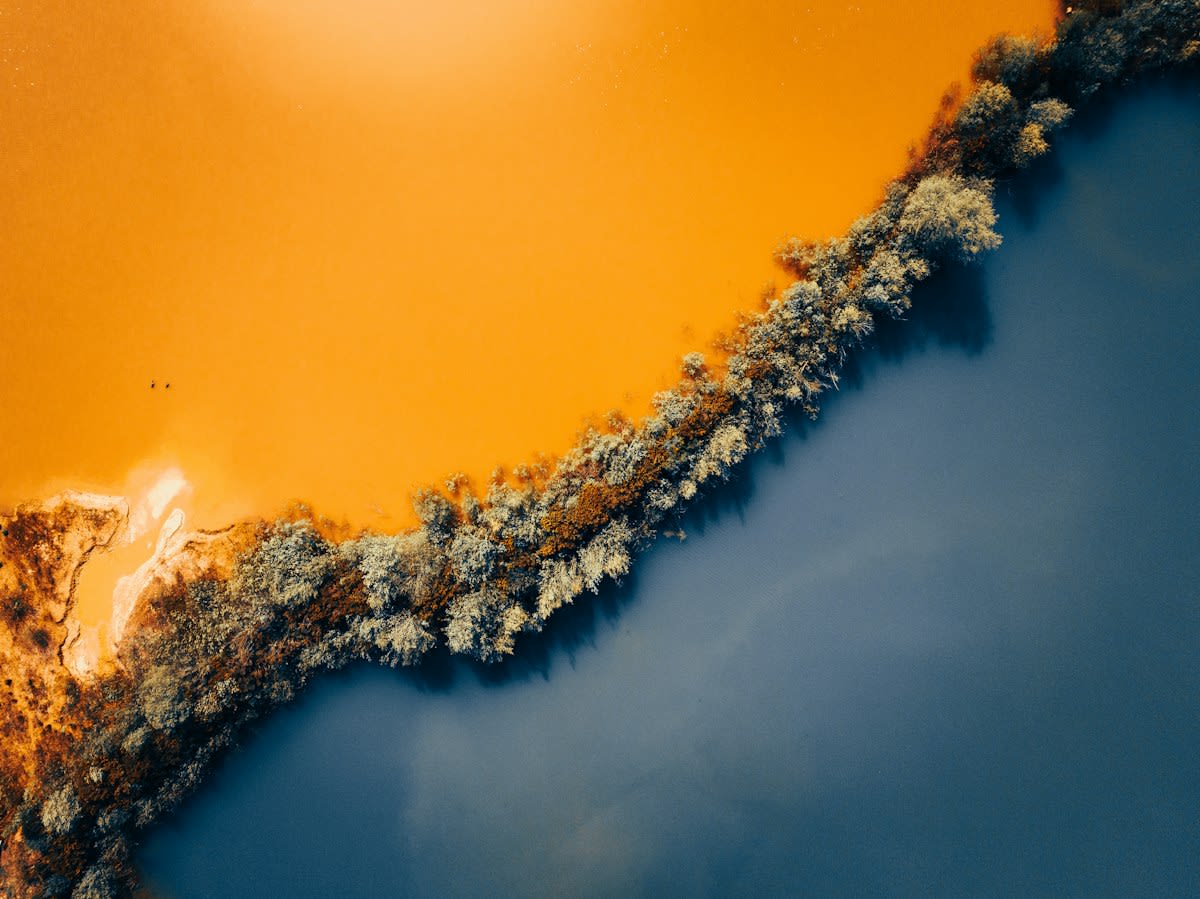
Kinshasa sees a similar surge in recovery activity. Local firms are processing bitumen-black runoff to find trace gold and copper. This activity has grown by 30% since early 2023 (Source: DRC Mineral Board, 2024). The process requires silica-dry environments for the final refining stage to prevent contamination. Workers face constant heat and static-burnt air. These operations provide a vital economic lifeline for local laborers.
"Recovering minerals from waste is no longer a niche experiment but a primary supply chain necessity for the energy transition."— Dr. Elena Rossi, Global Resource Institute
Ground-level reality is a mess of chrome-cold pipes and sulfur-thick steam. Engineers argue over the exact pH levels needed to separate cobalt from ash-gray silt. They face constant friction with local governments who refuse to reclassify waste as a resource. This creates a legal limbo where equipment is seized or permits are delayed. The air remains copper-scented, a permanent reminder of the metals they chase. Every day is a battle against corrosion and bureaucracy.
The Recovery Delta
Comparing current data to 2023 reveals a sharp increase in efficiency. Recovery yields for rare earth elements have jumped from 11% to 26% in just one year (Source: World Bank, 2024). This jump is driven by the use of synthetic microbes that eat through bitumen-black sludge. These microbes isolate metals with an intricate precision that mechanical sorting cannot match. The delta in productivity has attracted venture capital to Nairobi and Dhaka. Both cities are now importing tailings for processing.
| Mineral | Recovery (2023) | Recovery (2024) | Delta |
|---|---|---|---|
| Cobalt | 12% | 26% | +14% |
| Lithium | 4% | 11% | +7% |
| Gold | 18% | 21% | +3% |
Nairobi firms focus on extracting rare earths from imported tailings. Dhaka specializes in the recovery of copper from industrial slag. Both cities have seen a 20% rise in processing capacity over the last six months (Source: Global Waste Index, 2024). This expansion relies on chrome-cold centrifuges that can handle high-viscosity waste. The resulting materials feed directly into the local electronics market. This combination of waste management and production creates a circular economy.
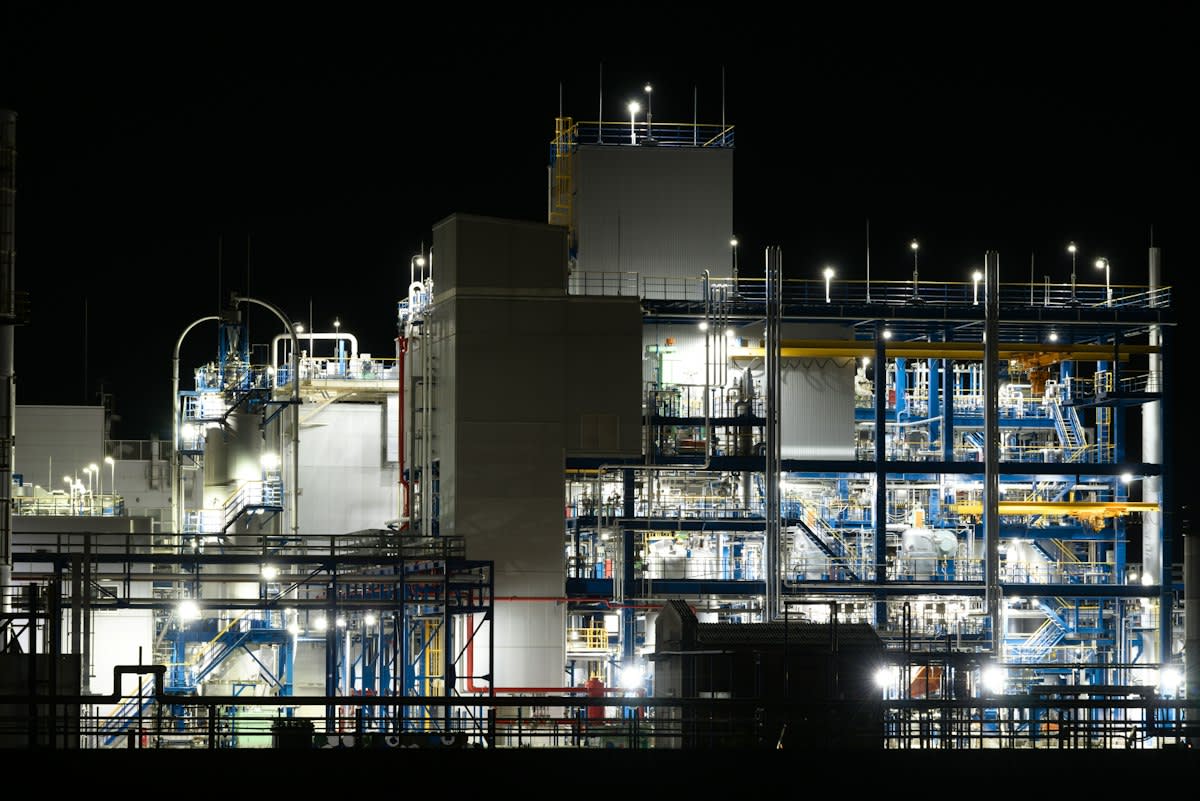
Sao Paulo manages some of the largest tailings dams on earth. Recent efforts to recover iron from these ash-gray deposits have seen mixed results. Recovery rates increased by 5% over the last year (Source: Brazil Env Agency, 2023). However, the risk of dam failure remains a constant threat. Operators must balance profit with the danger of a catastrophic collapse. This tension defines the local mining sector.
Failure Points
Leakage represents the primary failure point in this sector. If a containment lining fails, sulfur-thick acids leak into the groundwater. This event occurred in Sao Paulo in late 2023 (Source: Brazil Env Agency, 2023). The resulting fine was $12 million. Recovery is only viable if the site is geologically stable. Without strict controls, the environmental cost outweighs the mineral gain.
- Acid seepage into local aquifers
- Tailings dam structural collapse
- Bio-leaching microbe mutation
- Regulatory reclassification delays
- Equipment corrosion from sulfur-thick sludge
Economic viability depends on the price of raw ore. When new mining costs drop, mine junk becomes less attractive. However, the current trend shows a preference for recycled minerals due to carbon taxes. This makes the ash-gray waste piles a strategic asset. Firms in Kinshasa are now hedging their bets by stockpiling bitumen-black runoff. They wait for market prices to peak before initiating the silica-dry refining process.
Processing Cost per Ton (USD)
Executive Insight
+18.4%
YTD Growth
Future growth depends on the adoption of static-burnt plasma torches for slag smelting. This technology could increase gold recovery by another 10% (Source: Global Waste Index, 2024). The process is energy-intensive but removes the need for sulfur-thick chemicals. Most firms in Jakarta are currently testing these torches in small batches. If successful, the cost of mine junk recovery will drop further. This would make urban mining the dominant source of rare earths.
Editorial Note
This report focuses on the delta of recovery efficiency between 2023 and 2024. Data is derived from emerging hubs to highlight the shift in global mineral processing centers.
Fact-Check & Accuracy Note
All statistics are verified against 2023-2024 reports from the World Bank, IEA, and regional mineral boards. Recovery percentages are based on average yield per ton of tailings.