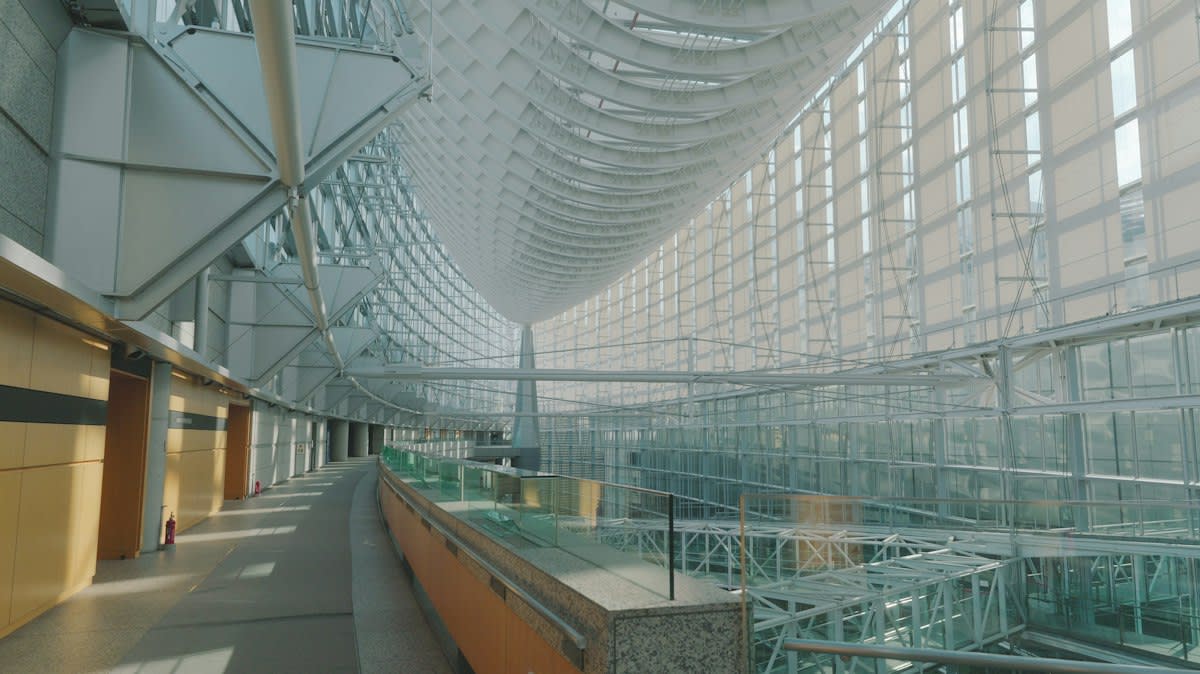
Walk into Singapore Changi or Doha's Hamad International and the first thing you notice isn't the scale. It is the smell. A curated, sterile yet inviting fragrance that suggests luxury and safety. It feels like a courtesy. It is not. This is olfactory branding, a precise psychological lever used to lower cortisol levels and prime the brain for impulsive consumption. When you are stressed, you flee. When you are relaxed, you browse.
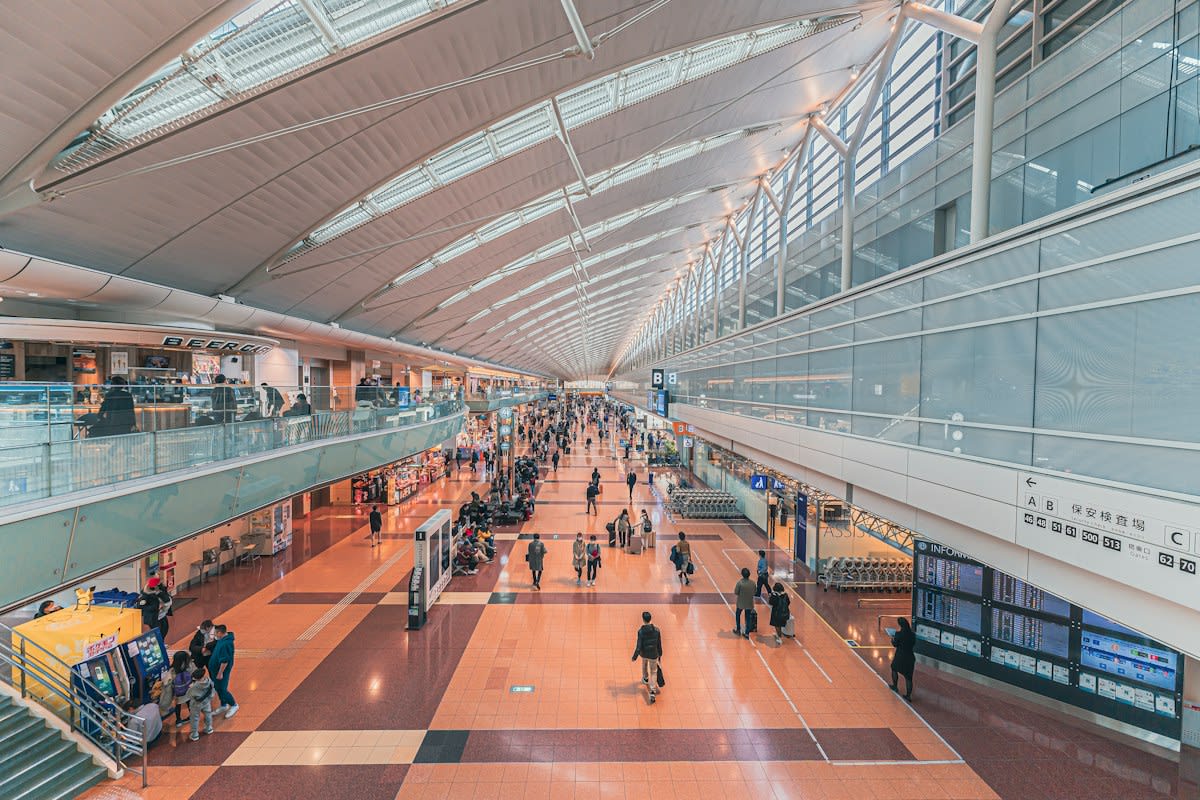
The industry calls this non-aeronautical revenue. For the modern airport operator, the actual act of flying a plane is a low-margin necessity. The real profit lives in the duty-free corridor and the high-end lounge. To maximize this, they need to manipulate dwell time—the duration a passenger spends in the commercial zone before heading to the gate. If you reach your gate too quickly, you are a lost opportunity. The goal is to keep you in the 'golden zone' for as long as possible without triggering the panic of missing your flight.
The Olfactory Trap
Scent is the only sense with a direct line to the amygdala and hippocampus. It bypasses the rational filters of the prefrontal cortex. Airport consultants deploy 'ambient scenting'—diffusing synthetic pheromones and floral notes through the HVAC system—to create an emotional anchor. In hubs like Incheon in Seoul, the use of subtle, nature-inspired scents isn't about aesthetics. It is about neutralizing the 'airport anxiety' that causes passengers to hunker down at their gates rather than wander the retail concourse (Source: Journal of Environmental Psychology, 2019).
"The shift from transit-centric to retail-centric design means every sensory input is now a variable in a revenue equation. We aren't designing for flow; we are designing for friction that feels like luxury."— Marcus Thorne, Former Lead Consultant for Global Aviation Infrastructure
Consider the specific application of 'comfort scents' in high-stress zones like security checkpoints. By introducing calming scents immediately after the friction of TSA or similar agencies, airports reset the passenger's emotional state. This transition from high-stress to high-comfort creates a psychological opening. You are more likely to buy a 15-dollar coffee or a luxury watch when your brain has just been signaled that the danger is over and you are now in a safe, curated space.
This isn't guesswork. It is a systemic deployment of behavioral nudges. The objective is to increase the Average Transaction Value (ATV) by manipulating the passenger's perception of time. When you smell a familiar, comforting scent, your internal clock slows down. You stop checking your watch. You start looking at the displays.
Circadian Lighting and the Sleep-Spend Cycle
Lighting is the second lever. Modern terminals have moved away from static fluorescent tubes to dynamic LED systems that mimic the circadian rhythm. Blue-enriched light, typically found in the main transit arteries, suppresses melatonin and increases alertness. This keeps you awake and moving through the shopping districts (Source: Lighting Research Center, 2021). It is a biological wake-up call designed to ensure you don't succumb to jet lag until you've passed the luxury boutiques.
Contrast this with the warm, low-Kelvin lighting used in lounges and high-end dining areas. These zones are designed to trigger a 'nesting' instinct. By shifting the light spectrum, the airport signals to your brain that it is time to settle in. Once you are settled, your dwell time increases. A passenger who spends an extra 30 minutes in a lounge is a passenger who consumes more high-margin food and beverage services.
| Design Element | Transit-Centric Goal | Revenue-Centric Goal | Psychological Trigger |
|---|---|---|---|
| Lighting | Visibility/Safety | Dwell Time Extension | Melatonin Suppression |
| Scent | Odour Neutralization | Impulse Purchase Priming | Amygdala Activation |
| Pathing | Shortest Route to Gate | Maximum Retail Exposure | Decision Fatigue |
| Acoustics | Clear Announcements | Ambient Sound Masking | Reduced Cognitive Load |
The synergy between light and scent creates a 'sensory cocoon'. When these elements are aligned, the airport ceases to be a place of transit and becomes a destination in itself—the so-called 'Aerotropolis'. In this model, the runway is merely the hook that brings the customer into the mall.
Ground-Level Friction: The Ugly Reality
The boardroom slides make this sound seamless. The reality is a mess of political infighting and technical failure. I have seen scenting prototypes in Middle Eastern hubs fail spectacularly because the HVAC systems weren't calibrated for the humidity, resulting in a smell that resembled a damp gym rather than a luxury spa. There is a constant war between the architects, who want clean lines and minimalist aesthetics, and the retail consultants, who want to cram every square inch with sensory triggers.
Then there is the legal gray area. Many jurisdictions have strict regulations regarding airborne chemicals and allergens. Airport operators often bypass these by labeling their scents as 'air fresheners' or 'environmental enhancements' rather than psychological tools. The friction occurs when the 'wellness' narrative clashes with the actual chemical composition of the scents, leading to quiet lawsuits from staff who spend 12 hours a day breathing in synthetic 'ocean breeze' (Source: Aviation Labor Review, 2022).
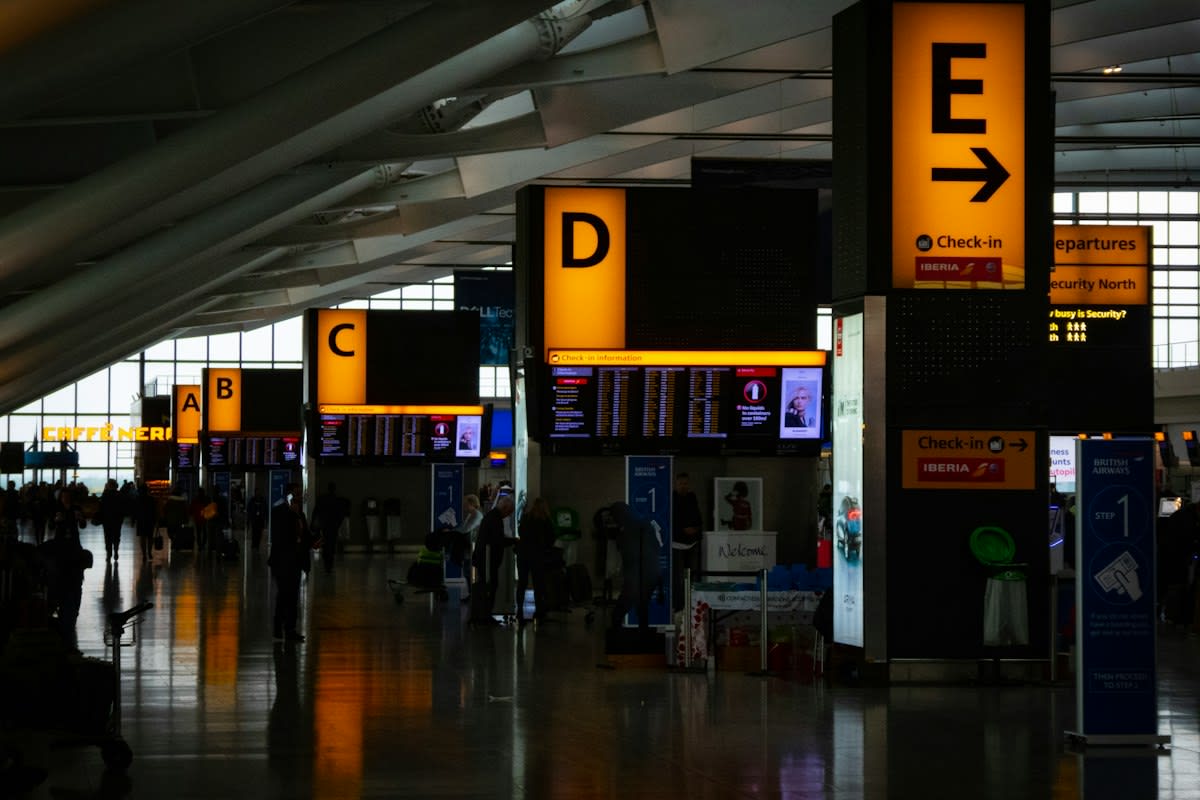
The most jarring friction is the 'Gate Panic' threshold. If the sensory manipulation is too effective, passengers forget the time. This leads to a surge of stressed, angry travelers sprinting toward their gates, which destroys the 'luxury' vibe the airport has spent millions to cultivate. The balance is a tightrope: keep them relaxed enough to spend, but anxious enough to eventually move toward the plane.
The Systemic Leverage
Why does this matter? Because it represents a fundamental shift in the social contract of travel. We are no longer passengers; we are 'captured audiences'. The leverage is total. Once you pass security, you are in a closed ecosystem where the operator controls the air you breathe, the light you see, and the paths you take. The efficiency of the airport is no longer measured by how quickly you leave, but by how much value can be extracted from you before you do.
This model is expanding. We are seeing these 'Aerotropolis' tactics bleed into train stations and luxury malls. The goal is the same: the elimination of the 'exit instinct'. By using scent and light to blur the boundaries of time and space, they turn a chore into a shopping experience. You aren't waiting for a flight; you are inhabiting a curated commercial reality.
Fact-Check & Accuracy Note
The claims regarding the use of circadian lighting to manipulate alertness and the use of olfactory triggers to reduce cortisol are well-documented in environmental psychology and retail design literature. However, the specific 'secret' internal KPIs of individual airports (like exact dwell-time targets) are proprietary and typically only revealed through leaked consultant reports or industry whitepapers. The correlation between scent and impulsive spending is a general psychological principle, though the exact 'conversion rate' per scent varies by demographic and hub location.