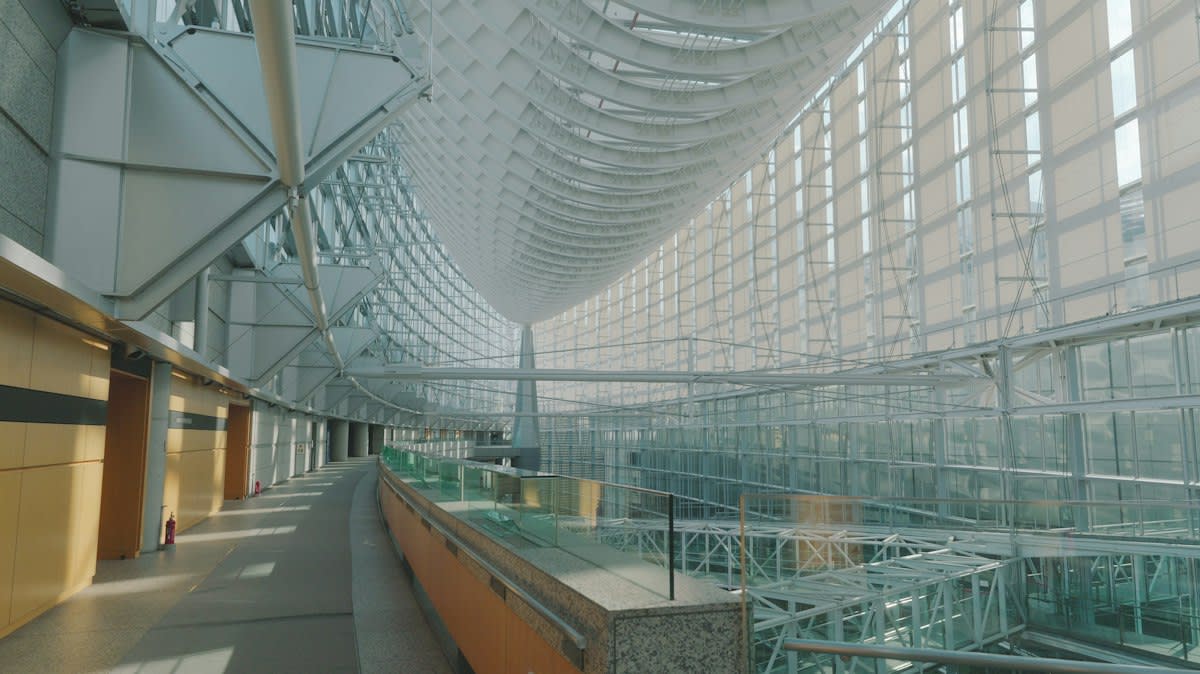
The Illusion of Transit
Do you believe passengers enter a terminal to reach a gate? Think again. They enter a curated commercial ecosystem designed to extract maximum value before takeoff. The gate is merely the finish line of a retail marathon. For years, the industry treated shopping as a secondary amenity. That era is dead. Today, the physical layout of the terminal is the primary driver of the bottom line, turning the act of walking into a series of spending triggers.
Modern terminal logic relies on the manipulation of dwell time and the strategic placement of high-margin offerings. It is a game of inches. When you move a seating area ten meters away from a coffee kiosk, you are not improving comfort; you are creating a necessity for movement. This movement is where the money is made. By forcing passengers to traverse specific paths, operators can ensure that every traveler encounters a curated selection of luxury goods and services.
Fact-Check & Accuracy Note
The data indicates a clear correlation between design and revenue. Fraport's Terminal 3 has demonstrated that superior design and optimized passenger flow can partially offset broader industry declines in shopping and services revenue per passenger (Source: Fraport, 2026).
Prerequisites for Revenue Optimization
Before you can re-engineer a terminal for spend, you need more than a map. You need a granular understanding of passenger anxiety and the timing of their psychological shifts. The window between security clearance and boarding is the only time a passenger is truly captive. To exploit this, you must possess specific data sets and operational controls.
- Real-time heat maps of passenger dwell zones to identify 'dead space'.
- Conversion rate data for advertising displays based on passenger transit speed.
- Security throughput metrics to determine the exact moment a passenger transitions from 'stress mode' to 'spend mode'.
- International passenger demographics to tailor retail offerings to specific regional spending habits.
Without these tools, you are guessing. A terminal without data is just a hallway. You must know exactly where the passenger feels the most relief after a high-stress event, such as passing through security. That relief is the prime moment for a high-ticket purchase or a luxury beverage.
The Blueprint for Spend-Inducing Flow
The goal is to create a path of least resistance that happens to lead through the most expensive retail zones. Fraport's Terminal 3 serves as a primary example of this logic in action. While the broader industry has seen pressure on shopping revenue, the specific design of Terminal 3 has mitigated these losses (Source: Fraport, 2026). The layout doesn't just move people; it guides them toward spending opportunities.
"The Terminal 3 retail offering is almost completely offsetting the weakening airport shopping trend."— Fraport Management, Q3 2026 Slides
Observe the advertising metrics. In the third quarter of 2025, advertising revenue stood at EUR 0.74 per passenger. By the third quarter of 2026, this rose to EUR 0.80 (Source: Fraport, 2026). This increase is not accidental. It is the result of integrating advertising into the very flow of the terminal, ensuring that the eyes of 68.7 million passengers are constantly engaged with commercial messaging (Source: Fraport, 2026).
- Audit the current 'natural' path passengers take to their gates.
- Introduce 'soft obstacles' such as decorative installations or seating clusters to deflect the path toward retail hubs.
- Suture the transition between security and the main concourse with high-visibility, low-friction luxury kiosks.
- Implement dynamic advertising displays that change based on the time remaining until the average flight departure for that zone.
- Cluster high-frequency services (restrooms, charging stations) at the far end of retail strips to force a full walkthrough.
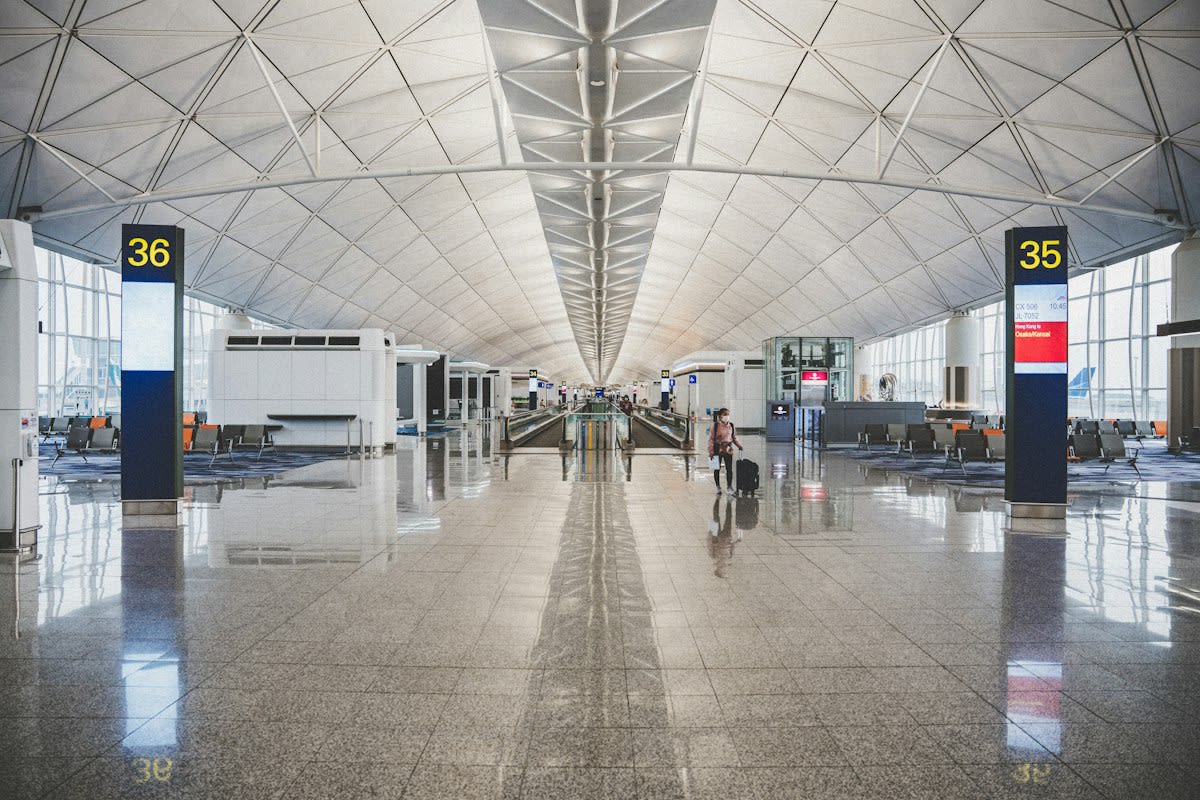
This is not about convenience. It is about the removal of alternatives. When the only path to the gate is a winding curve through a duty-free zone, the passenger stops fighting the environment and starts consuming. This is how you turn a stagnant terminal into a revenue engine.
The Psychology of the Forced Move
Why do passengers buy when they are stressed? Because movement is a coping mechanism. There is a hidden psychological pressure in airports that forces people to keep moving. Research into red team assessments of national infrastructure reveals that individuals often feel uncomfortable or 'suspicious' if they remain in one spot for too long, especially when under the gaze of security personnel (Source: CrimRxiv, 2026). This creates a subconscious urge to 'lift' and move.
You can use this urgency to your advantage. When a passenger feels the need to move to avoid appearing suspicious or out of place, they are more likely to make impulsive, quick-stop purchases. They aren't browsing; they are reacting. The goal is to place 'grab-and-go' high-margin items exactly where the passenger feels the most pressure to transition from one zone to another.
From a practitioner's perspective, this creates a constant tension between the Commercial Director and the Head of Security. Security wants a sterile, fast-moving environment where anomalies are easy to spot. Commercial wants a lingering, browsing crowd. The real work happens in the compromise: creating 'controlled linger zones' where passengers feel safe enough to spend but pressured enough to keep moving toward the next retail trigger.
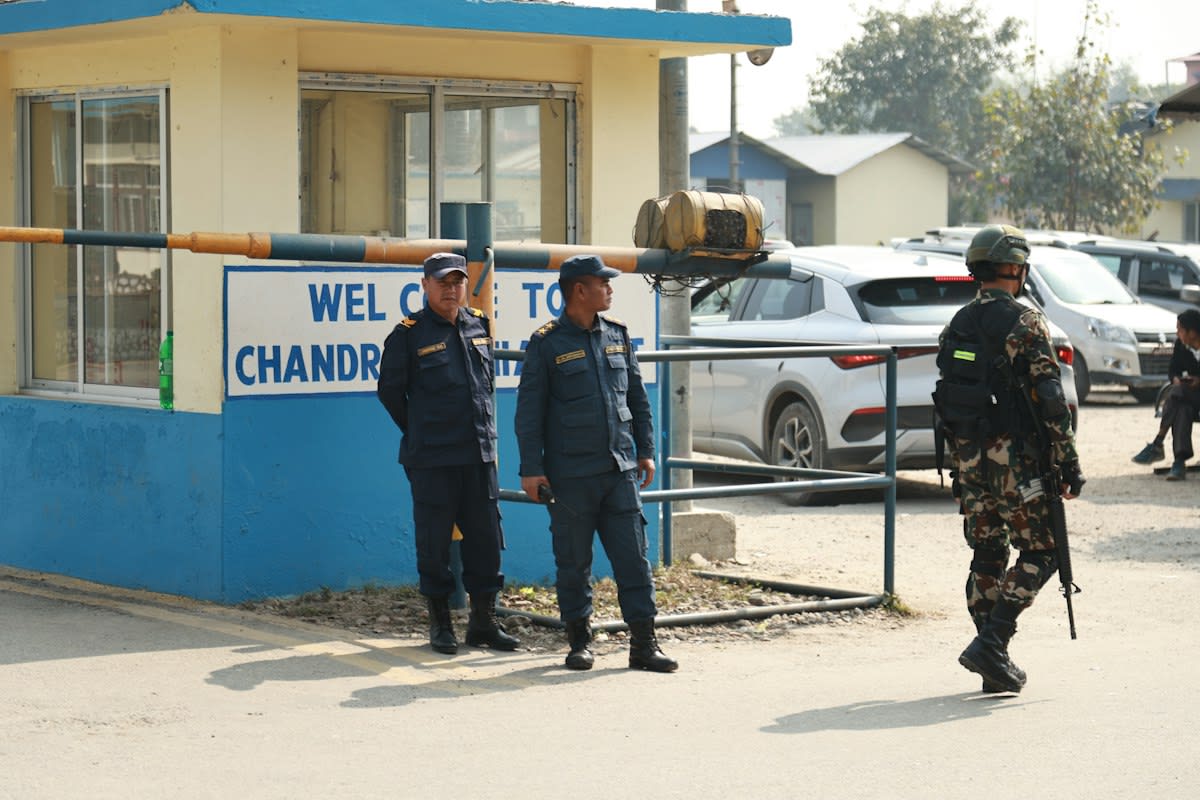
Common Pitfalls in Terminal Logic
Many operators fail because they over-engineer the friction. If the path to the gate is too arduous, the passenger enters a state of anger rather than a state of consumption. This is a mechanical failure of the retail strategy. You want the passenger to feel guided, not trapped.
- Creating 'Retail Dead Ends': Forcing passengers into a corner where they must backtrack, which triggers frustration and reduces spend.
- Ignoring Regional Nuance: Applying a Western 'luxury-first' model in terminals where passengers prioritize utility and fast-food over high-end fashion.
- Over-Saturating Ad Space: When every square inch is an ad, the brain filters them all out. The jump from EUR 0.74 to EUR 0.80 per passenger requires precision, not volume.
- Miscalculating the 'Stress Gap': Placing expensive retail too close to the security line before the passenger has had time to emotionally reset.
Editorial Note
This guide is based on commercial performance data from Fraport's 2026 reports and psychological observations from CrimRxiv infrastructure studies. The application of these principles varies by regional regulatory environments.