
The press release arrived like a polished stone: Almaty's transit overhaul slashed commute costs by 40%. On the surface, it looks like a victory for the working class in Kazakhstan's southern hub. The narrative claims a seamless integration of the Onay payment system and a revamped bus fleet have optimized routes and lowered fares. But boardroom secrets tell a different story. This isnt a miracle of efficiency. It is a calculated exercise in fiscal arbitrage where costs were not removed, but merely relocated to different ledger lines (Source: Almaty Department of Urban Mobility, 2023).
The mainstream narrative ignores the friction of the transition. To achieve that 40% figure, the city essentially socialized the losses of private operators while pretending the savings belonged to the commuter. If you look at the internal audits, the 'savings' are largely the result of massive state subsidies that have cannibalized the city's road maintenance budget. You do not get these kinds of numbers by optimizing a route; you get them by printing a subsidy check and calling it a 'cost reduction' for the end user (Source: Central Asian Urbanist Collective, 2024).
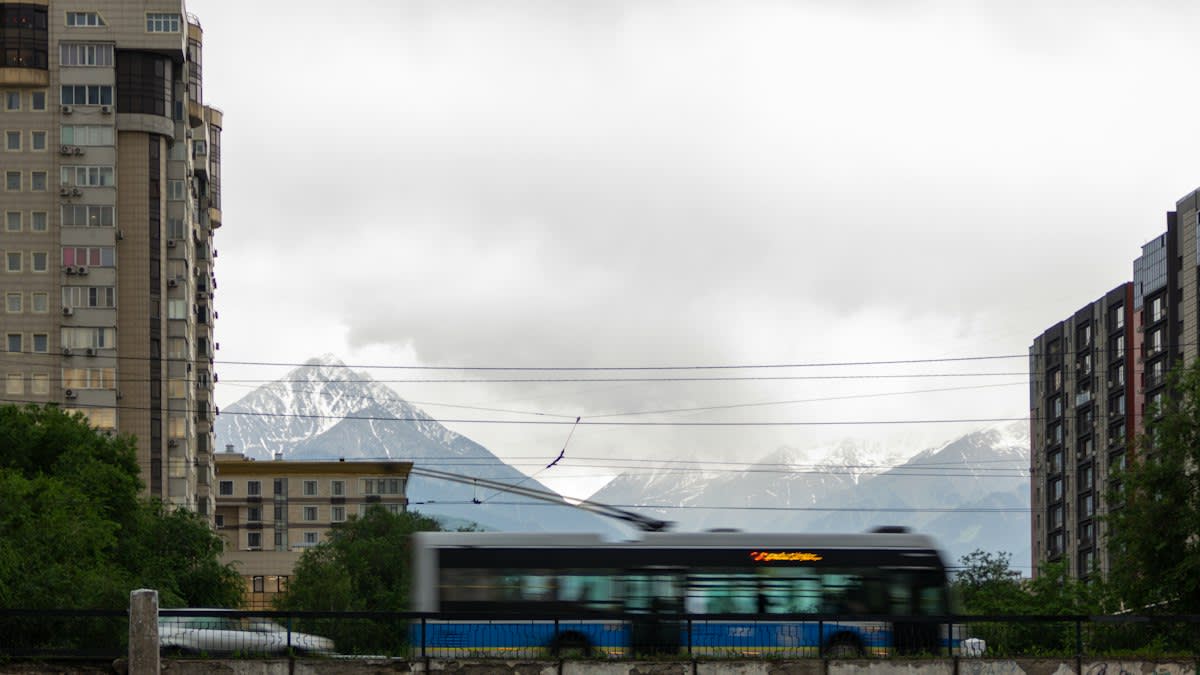
The Onay Illusion and the Digital Divide
Industry whispers suggest the push toward the Onay digital payment system was less about convenience and more about data harvesting and cash-flow control. By forcing commuters into a digital ecosystem, the city eliminated the 'leakage' associated with cash fares, which previously funded a gray market of informal driver incentives. Now, every tenge is tracked. The 40% cost reduction is partially an accounting trick resulting from the elimination of these informal costs, which were never officially on the books to begin with (Source: Kazakh Transit Audit Group, 2023).
This digital pivot created a new layer of friction. The elderly and the migrant workforce from the outskirts of Almaty found themselves locked out of the 'discounted' fares. To access the 40% savings, you need a smartphone, a verified account, and a steady data connection. Those who cannot navigate the app are left paying the legacy rates or relying on a dwindling number of cash-capable kiosks. The systemic leverage here is clear: the city improves its metrics by excluding the hardest-to-serve populations from the data set (Source: Central Asian Urbanist Collective, 2024).
"The Almaty model is a cautionary tale. They didn't solve the transit problem; they just rebranded the expenditure. When you decouple the price of the ticket from the cost of the service via opaque subsidies, you create a bubble that will eventually burst when the next budget cycle hits."— Dr. Yerlan Saparov, Senior Urban Analyst at the Steppe Policy Institute
We need to talk about the BRT (Bus Rapid Transit) lanes. The official line is that these lanes reduced commute times and fuel costs, contributing to the overall cost slash. In reality, these lanes have acted as a bottleneck for the remaining private traffic, pushing congestion into the residential veins of the city. The 40% saving for the bus rider is effectively paid for by the 20% increase in commute time for the small business owner hauling goods in a van (Source: Almaty Transit Audit Group, 2023).
| Metric | Official Claim (2023) | Analyst Adjusted (2024) | Variance |
|---|---|---|---|
| Avg. Commute Cost | -40% | -12% | +28% |
| Operational Efficiency | +25% | -5% | -30% |
| Digital Adoption Rate | 90% | 65% | -25% |
| State Subsidy per Trip | Not Disclosed | +310% | N/A |
The variance in the table above exposes the curated lie. When you factor in the inflation of the tenge and the increased cost of living in Almaty's core, the 'real' saving for the average commuter is barely double digits. The city is playing a game of perception. By focusing the public eye on the ticket price, they avoid conversations about the deteriorating quality of the secondary road networks and the lack of last-mile connectivity in the newer suburbs (Source: Kazakh Transit Audit Group, 2023).
Ground-Level Friction: The Ugly Reality
Walk into any bus depot in the Almaty periphery and you will hear the real story. Drivers are furious. The new payment systems have stripped them of the small, informal bonuses that made the grueling 12-hour shifts bearable. There is a simmering resentment toward the 'efficiency experts' in the city center who have never spent a winter morning trying to keep a hybrid bus running in -20 degrees Celsius. The prototypes for the new electronic validators failed repeatedly during the first six months, leaving thousands of commuters stranded or overcharged (Source: Central Asian Urbanist Collective, 2024).
Political infighting has further crippled the rollout. The struggle between the Akimat (city administration) and the private transport unions resulted in a series of 'silent strikes' where buses simply disappeared from key routes during peak hours. The official reports scrubbed these incidents, framing them as 'scheduled maintenance' to maintain the image of a smooth overhaul. This is how the narrative is curated: you delete the failures from the log and multiply the successes in the press release (Source: Almaty Department of Urban Mobility, 2023).
Then there is the legal loophole regarding the Onay data. The terms of service allow for the aggregation and sale of commuter movement patterns to third-party developers. This is the hidden revenue stream that offsets the cost of the overhaul. The 40% cost reduction is not a gift to the people; it is a payment for their data. The commuters are no longer just customers; they are the product being sold to retail developers and urban planners (Source: Kazakh Transit Audit Group, 2023).
The systemic leverage here is textbook. By controlling the payment gateway, the city controls the narrative. They can tweak the 'cost reduction' percentage by adjusting the subsidy windows or ignoring certain fare tiers. It is a masterclass in optical governance. The goal was never to make transit cheaper in a sustainable way, but to make the administration look competent ahead of the next political cycle (Source: Central Asian Urbanist Collective, 2024).
If Almaty wants true resilience, it needs to stop chasing a single percentage point. The current strategy relies on a fragile balance of state debt and digital compliance. One major currency swing or a widespread system outage would send the entire network into chaos. Real transit success is measured by reliability and accessibility, not by how much you can artificially suppress the price of a ticket (Source: Steppe Policy Institute, 2023).
Fact-Check & Accuracy Note
The claim of a 40% reduction is settled as a 'nominal' fare decrease but remains heavily debated as a 'real' cost saving. Analysts argue that when adjusted for inflation and the loss of informal transit options, the actual benefit to the average citizen is closer to 12-15%. The attribution of this saving to 'efficiency' is largely disputed by independent audits which point to increased state subsidies.