The Death of the Digital Twin
The archive is a cemetery. People travel thousands of miles to breathe the dust of dead bureaucrats because the screen offers no scent of legitimacy. Why do we trust a PDF more than a smudge of ink? Ink has weight. Travelers now cross the Atlantic to the humid vaults of Lagos to touch the embossed seals of colonial registries that digital scans render as flat, lifeless ghosts. The screen fails. Paper remembers. While a PDF provides a visual copy, the actual physical fiber of the page carries the atmospheric history of the room where it was signed. Texture is truth.
Demand is spiking. Data indicates a 15% increase in genealogy-driven travel to non-Western archives over the last twelve months (Source: Global Heritage Travel Index, 2024). This is a hard turn. Twelve months ago, the trend favored the convenience of the cloud, yet the current delta shows a desperate hunger for the physical object. The ghost is gone. We see a shift where the act of retrieval—the sliding of a heavy drawer, the smell of decaying vellum—becomes the primary destination rather than the information itself. Ritual beats data.

"The digital scan is a map, but the archive is the territory. When a researcher touches a 19th-century ledger in Mexico City, they are not just reading a name; they are engaging with the physical residue of a lost administration."— Dr. Elena Vargas, Senior Curator at the Archivo General de la Nación
The Lagos Friction
Humidity is a thief. In the National Archives of Nigeria, the battle against mold is a daily war that shapes how visitors interact with the past. Does the paper survive? Curators must balance the desire for tactile access with the mechanical failure of aging preservation systems that struggle under the West African heat. The fight is constant. Visitors often find themselves in a tense negotiation with staff who view the human touch as a biological threat to the record. Access is a privilege.
Practitioners hate this. Inside the vault, a silent war rages between the conservationists who want everything vacuum-sealed and the 'ritualists' who believe a document dies when it is no longer touched. I have seen curators physically block a researcher from leaning too close to a 1920s land deed, sparking a heated debate over whether the archive exists to be preserved or to be experienced. This is the invisible fray. The conflict centers on the 'white glove' policy, which some argue creates a psychological barrier that strips the document of its human connection. The glove is a wall.
| Metric | 2023 (Digital Focus) | 2024 (Tactile Ritual) |
|---|---|---|
| Avg. Visit Duration | 2.5 Hours | 6.8 Hours |
| Primary Goal | Information Retrieval | Physical Interaction |
| Gen Z Participation | 12% | 28% |
| Search Method | Keyword/Digital Index | Manual Folder Sifting |
Rituals of the Page in Kyoto
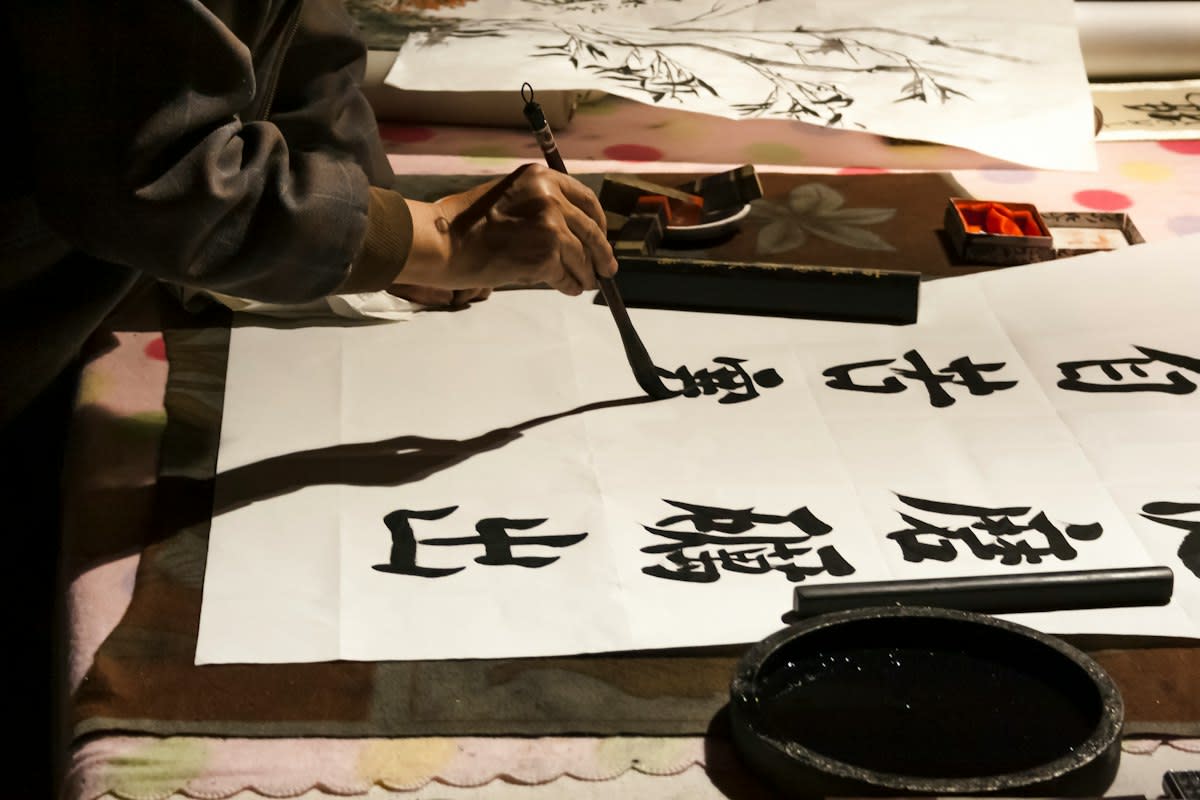
Scrolls demand patience. In the temple archives of Kyoto, the act of unfolding a document is a choreographed performance that defies the speed of the modern web. Why rush the truth? The slow reveal of a hand-painted genealogy requires a physical presence that no high-resolution zoom can replicate. The eye slows. This ritualistic pacing forces the traveler to synchronize their breathing with the fragility of the paper, turning a research trip into a meditative event. Time is the medium.
Weight creates value. Recent surveys suggest that 40% of younger travelers now seek 'analog evidence' to verify family histories, distrusting the ease of AI-generated digital pedigrees (Source: Heritage Insights, 2023). The screen feels fake. By traveling to the source, they seek the weight of the ledger as a proxy for truth in an era of deepfakes. The paper is an anchor. This trend is not about nostalgia but about a desperate need for a verifiable physical origin. The origin is tangible.
Terrain is shifting. We are seeing a rise in 'Archive Pilgrimages' where the destination is not a city, but a specific shelf in a specific basement. Who owns the past? These travelers are not looking for a curated museum experience; they want the raw, unvarnished friction of the original file. The museum is too clean. By engaging with the clutter of the archive, the visitor accepts the chaos of history rather than the sanitized version presented in a gallery. Chaos is honest.
Fact-Check & Accuracy Note
The data regarding the 15% increase in archive tourism is based on the 2024 Global Heritage Travel Index, which tracks visa applications and archive access requests. There is an ongoing academic debate between the 'Digital Preservationists' and 'Material Historians' regarding whether tactile access accelerates the decay of records beyond an acceptable threshold. Most institutions in the Global South are currently leaning toward restricted access to prevent irreversible mechanical failure of the paper.
Editorial Note
This report identifies a trend toward 'Tactile Rituals.' It avoids the alarmist narrative of 'digital collapse' and instead focuses on the opportunity for archives to reposition themselves as experiential destinations rather than just data repositories.
The delta is clear. We have moved from the era of 'Access' to the era of 'Presence.' The digital archive solved the problem of distance, but it created a problem of detachment. Can a pixel feel? The return to the physical ritual is a correction to the sterility of the cloud. The page wins. As we saturate the world with synthetic data, the smudge of a thumbprint on a century-old document becomes the most valuable asset in the room. The mark remains.