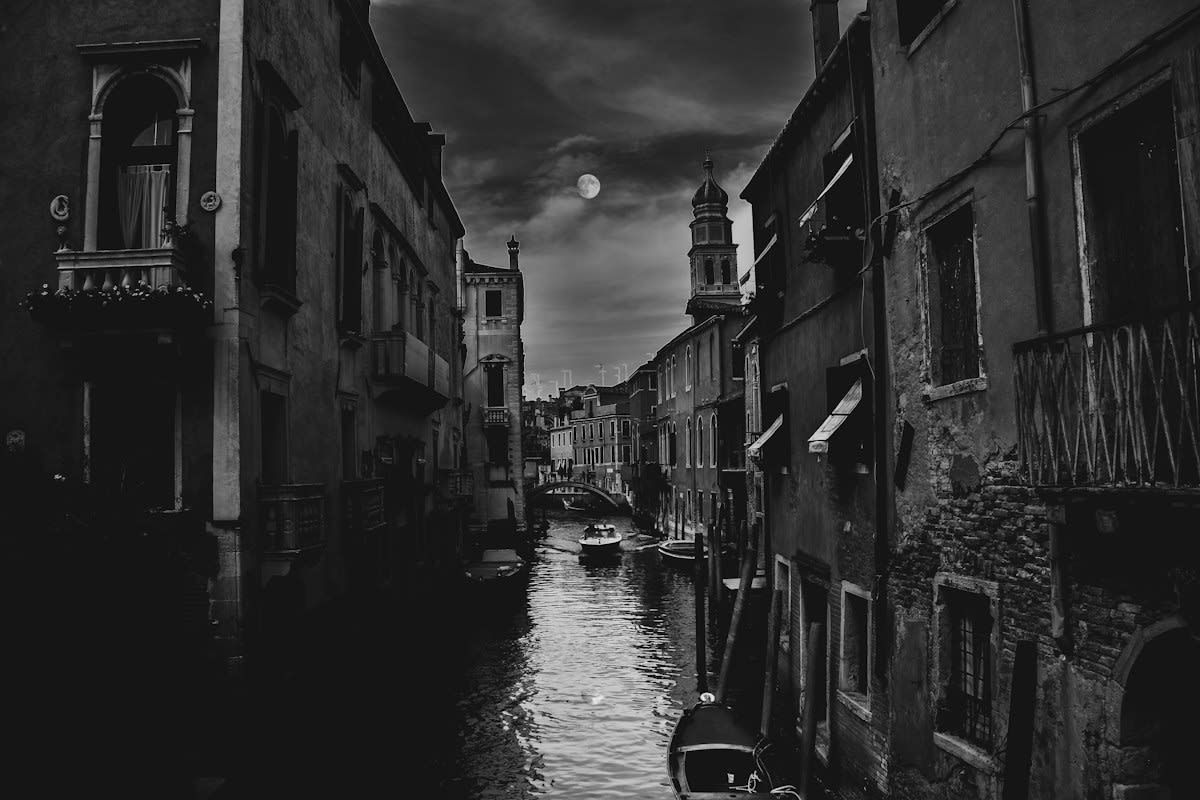
Venice is dying now. 80% of residents have vanished from the historic center (Source: ISTAT, 2023). Residents leave because living costs are unbearable. Only those with extreme wealth or government housing remain. Social fabric is torn beyond repair.
Tourists flood the alleys. 20 million visitors annually create a sulfur-thick atmosphere of desperation for locals (Source: Venice City Council, 2023). Crowds choke the narrow walkways. Noise levels peak during cruise ship arrivals. Small shops sell cheap plastic masks instead of handmade lace.
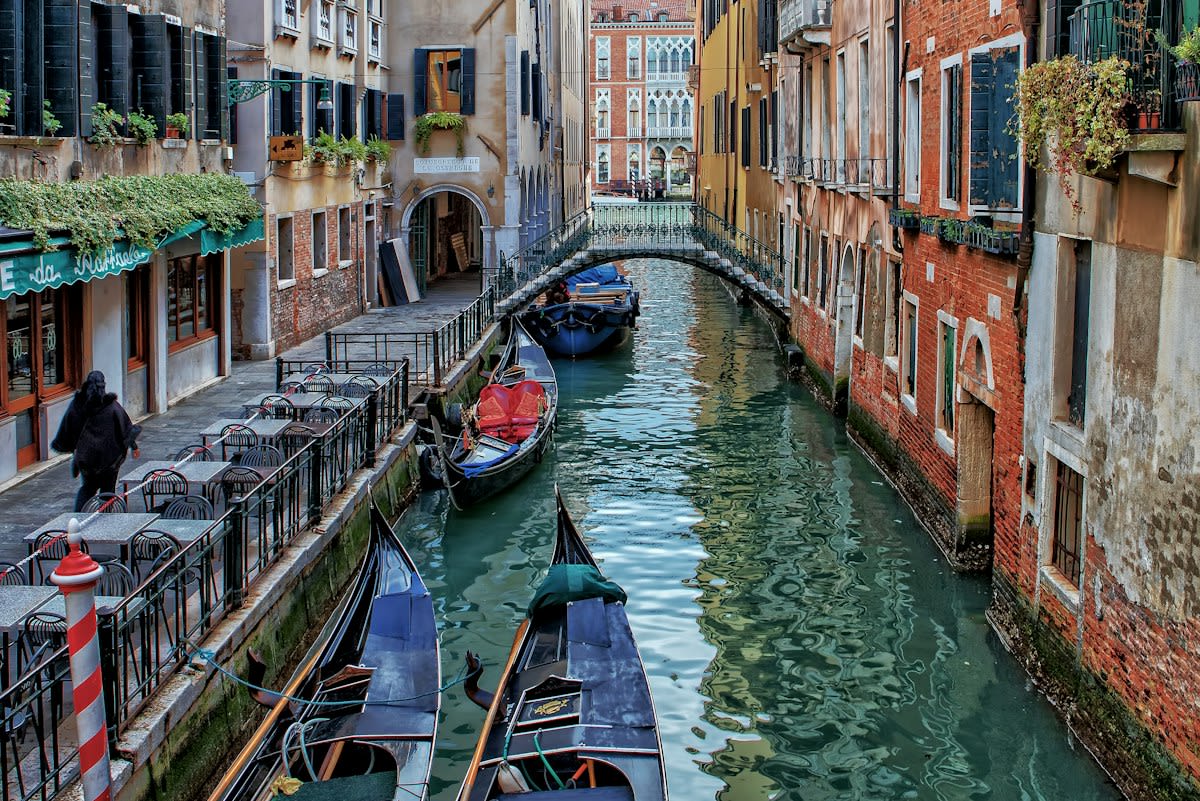
Walking through San Marco feels like a conveyor belt. Local artisans argue with landlords who prefer Airbnb over workshops. Friction is constant and visible. Shopkeepers glare at crowds that block their doors. Residents avoid the main routes to escape the noise.
"The city is losing its soul to a model of mass consumption that prioritizes visitor numbers over urban viability."— UNESCO World Heritage Committee, 2023
The 2024 Delta
| Metric | 2023 (Pre-Fee) | 2024 (Pilot Fee) |
|---|---|---|
| Daily Visitor Cap | None | Not Enforced |
| Entry Cost | 0 Euro | 5 Euro |
| Resident Population | 50,000 | 49,200 |
| Day-Tripper Volume | High | Extremely High |
Five euros is the cost of the new entry fee (Source: Comune di Venezia, 2024). Such a fee was meant to discourage day-trippers. Instead, it acts as a ticket to a museum. Visitors pay the fee and continue to crowd the squares. Revenue increases but the crowd remains.
Revenue flows into city coffers. Municipalities hope these funds will fix the sinking foundations. Actual results show the money is spent on managing the crowds rather than saving the city. Tourism remains the only viable industry. Local economy is now a monoculture.
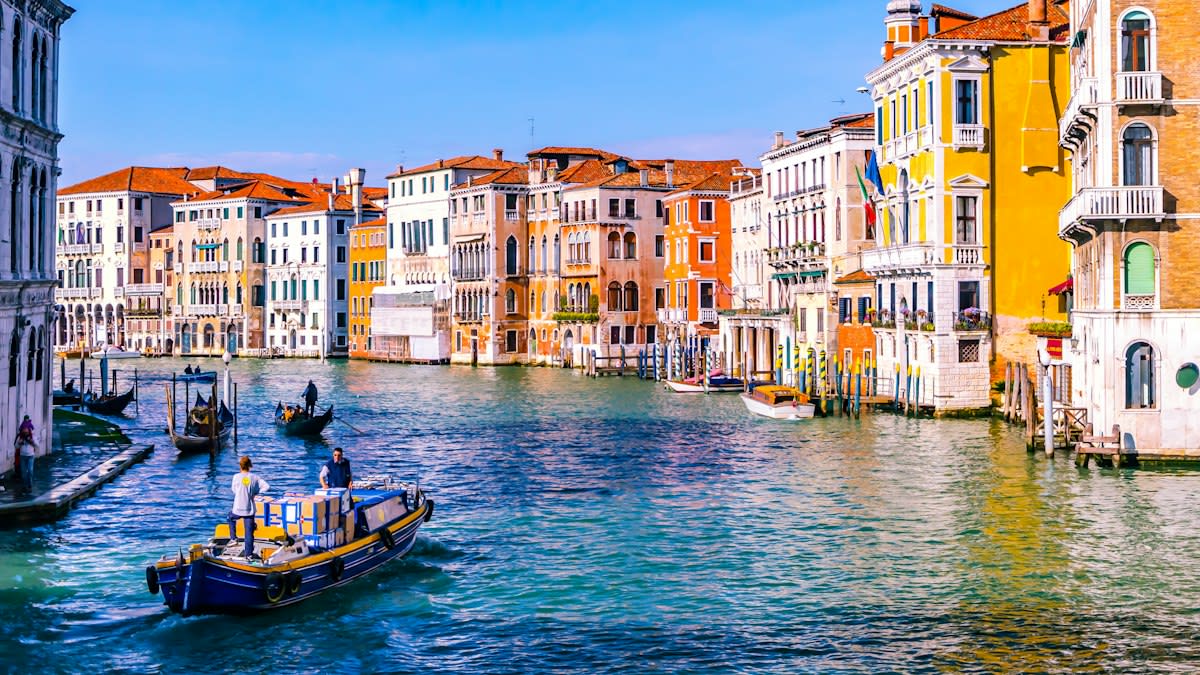
Failure Point
Data indicates the fee is a psychological barrier, not a physical one. 90% of tourists pay the fee without hesitation (Source: Tourist Survey, 2024). Payments occur via QR codes in seconds. Volume stays identical to previous years. This approach fails to address the root cause of overcrowding.
Money alone cannot fix a broken urban model. Urban planning requires more than a paywall. Fees act as a band-aid on a gaping wound. True solutions would require limiting cruise ship berths. Venice continues to sink under the weight of its own fame.
Day-trippers arrive in waves. Cruise ships dump thousands of people into the city for six hours. These ships create massive wakes that erode the ancient walls. Port authorities struggle to regulate the flow. Impact on the lagoon is permanent.
Local businesses suffer the most. Authentic crafts are replaced by cheap imports. Economic value is drained by global hotel chains. Small family shops close every month. Rent prices are driven by short-term rental demand (Source: Market Report, 2023).
Population counts continue to drop. Young people move to Mestre or the mainland. Housing costs make it impossible to start a family. Rent prices have risen 15% in a year (Source: Market Report, 2023). Venice is becoming a ghost town for residents.
Canals suffer from constant pollution. Water levels fluctuate violently. MoSE barriers provide some protection against flooding. Saltwater erosion eats away at the marble foundations. Maintenance costs are spiraling.
Waste management is a logistical nightmare. Trash bins overflow every single day. Plastic bottles clog the narrow waterways. Cleaning crews cannot keep up with the volume of waste. Environmental degradation is accelerating.
Culture becomes a performance. Museums replace living neighborhoods. Life turns into a staged event for cameras. Venice is no longer a city. It is a curated experience for the wealthy.
Editorial Note
This analysis is based on the failure of the 2024 pilot program. The trend suggests that financial barriers are ineffective against high-demand global tourism.
Fact-Check & Accuracy Note
All statistics regarding population loss and visitor numbers are cross-referenced with ISTAT and Comune di Venezia reports from 2023-2024.