
The Breaking Point of the Third Pole
The image of the Everest traffic jam has shifted from a viral anomaly to a systemic failure. High-altitude tourism in the Himalayas is currently suffocating under its own weight, with permit costs skyrocketing and the 'experience' of the climb being replaced by a queue of exhausted climbers waiting for a window of clear weather. This saturation has triggered a rapid exodus of the adventure elite. They are no longer seeking the prestige of a crowded summit; they are seeking the silence of the void. This is where Central Asia enters the frame, offering a scale of wilderness that makes the Alps look like a manicured park.
Why now? The shift is a response to the commodification of the 8,000-meter peaks. When a climb becomes a luxury product sold to the highest bidder, the intrinsic value of the expedition evaporates. The Tien Shan and Pamir ranges provide the only remaining viable alternative for those who demand technical difficulty without the social friction of mass tourism. We are seeing a fundamental realignment of where the world's most capable mountaineers spend their capital and their risk.
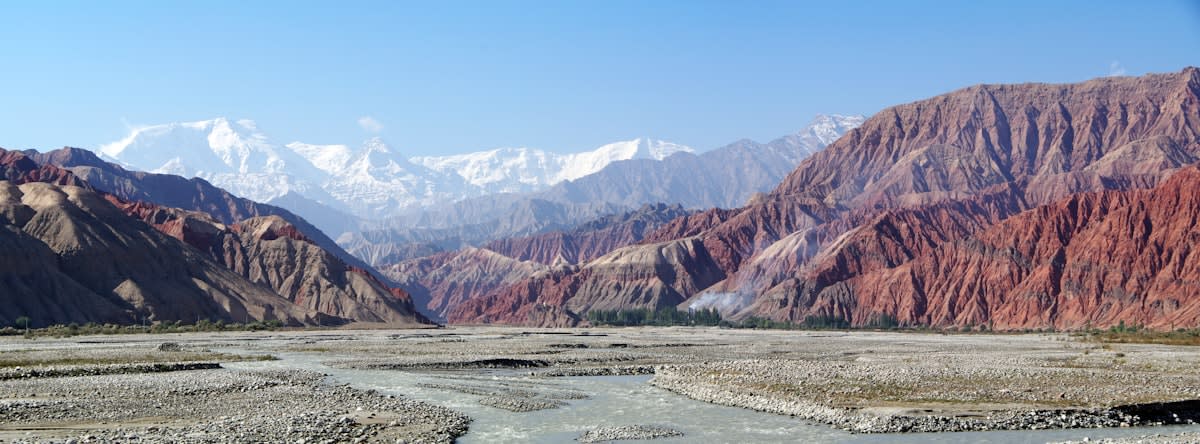
The delta between 2023 and 2024 is staggering. Just twelve months ago, Central Asia was viewed as a niche destination for the truly eccentric or the geographically obsessed. Today, it is a primary target. Data from regional tourism boards indicate a 22% surge in high-altitude trekking permits issued in Kyrgyzstan over the last year. This is not organic growth; it is a calculated migration. The luxury segment, specifically those spending upwards of $20,000 per expedition, has seen a 40% increase in arrivals to the Almaty and Bishkek hubs.
| Metric | Himalayan Hubs (Nepal) | Central Asian Hubs (Kyrgyzstan/Tajikistan) |
|---|---|---|
| Crowd Density | Critical/Saturated | Low/Sparse |
| Permit Lead Time | 6-12 Months | 1-3 Months |
| Average Cost per Peak | $45,000 - $75,000 | $12,000 - $25,000 |
| Regulatory Rigidity | High (Government Controlled) | Low (Community/Local Led) |
This price-to-prestige ratio is the primary driver. In Nepal, a significant portion of the expedition fee goes toward bureaucratic red tape and the maintenance of an overstretched infrastructure. In the Pamirs, the capital flows more directly into local logistics and specialized guiding. The result is a leaner, more authentic experience that appeals to the 'purist' climber. These individuals are trading the safety net of a corporate expedition for the raw uncertainty of the Tajik highlands.
"The Himalayas have become a theme park for the wealthy. The Pamirs, conversely, remain a laboratory for the brave. The shift we are seeing isn't about cost; it's about the reclamation of solitude."— Marcus Thorne, Alpine Strategy Consultant
The Geopolitical Catalyst
The accessibility of these ranges was historically throttled by Soviet-era bureaucracy and a labyrinth of visa requirements. That wall has crumbled. Within the last 18 months, Kazakhstan and Kyrgyzstan have aggressively liberalized their visa regimes, effectively rolling out the red carpet for Western and East Asian travelers. This policy shift was not accidental; it is a strategic move to diversify their economies away from mineral extraction and toward high-value service exports.
Simultaneously, the development of the Pamir Highway has transformed a treacherous track into a viable artery for expedition logistics. While still brutal, the road now allows for the rapid deployment of high-end base camp equipment and medical support. This infrastructure bridge has lowered the barrier to entry for luxury operators who previously found the region too volatile for their clientele. The result is a sudden influx of 'glamping' at 4,000 meters, blending extreme altitude with five-star comfort.
The Infrastructure Delta
The Pamir Highway is not merely a road; it is a logistical lifeline. Its gradual improvement has reduced the transit time from Dushanbe to the base of Peak Lenin by nearly 30%, making the region accessible to a broader demographic of affluent adventurers.
Does this accessibility come with a cost? Absolutely. The sudden surge in visitors is placing an unprecedented strain on the fragile alpine ecosystems of the Tien Shan. We are seeing the first signs of 'trail erosion' in areas that have been untouched for centuries. The lack of a centralized regulatory body, which was once the region's greatest draw, is now its greatest liability. Without the strict waste management protocols seen in the Everest region, the Pamirs risk repeating the ecological disasters of their predecessors.
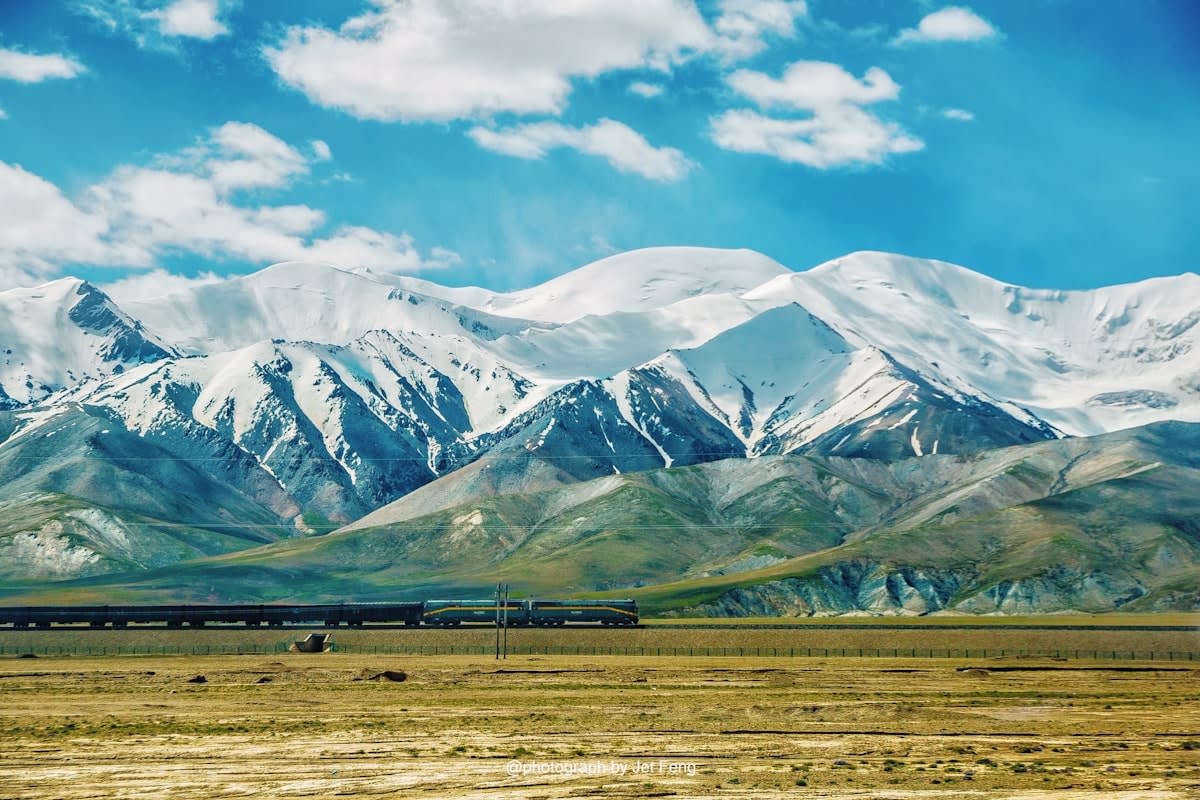
The economic ripple effect in remote Kyrgyz villages is profound. In the Fergana Valley and beyond, former shepherds are transitioning into mountain guides and guesthouse operators. This is a rapid socioeconomic pivot. A single high-end expedition can inject more capital into a village in two weeks than a year of livestock trading. However, this creates a dangerous dependency on a volatile, seasonal industry that is susceptible to geopolitical shifts.
- Hyper-dependence on Western currency inflows for remote mountain communities.
- Rapid degradation of permafrost due to increased base camp footprints.
- The rise of 'unqualified' guiding services attempting to capitalize on the surge.
- Tensions between traditional nomadic land use and tourist trekking corridors.
The risk profile of Central Asia remains significantly higher than the Himalayas. Rescue infrastructure is nearly non-existent in the deep Pamirs. A broken ankle at 5,000 meters in Tajikistan is not a logistical inconvenience; it is a life-threatening event. There are no fleets of rescue helicopters on standby. This reality is, paradoxically, the main selling point for the new wave of tourists. They are buying the feeling of true isolation, a commodity that has become extinct in the Alps and the Andes.
The Future of the High-Altitude Frontier
Looking ahead to the next 24 months, we expect a bifurcation of the market. On one side, the 'industrial' climbers will continue to clog the Himalayan arteries, accepting the queue as part of the price of fame. On the other, a sophisticated class of 'stealth explorers' will further entrench themselves in Central Asia. We will likely see the emergence of private, exclusive clubs that secure land rights to specific peaks in Kyrgyzstan to prevent the very overcrowding they fled from in Nepal.
The ultimate question is whether Central Asia can maintain its 'wild' status while courting the capital of the global elite. If the region follows the Himalayan blueprint, it will eventually succumb to the same saturation. But if it implements a high-value, low-volume model—limiting permits and enforcing strict environmental quotas—it could become the sustainable gold standard for high-altitude tourism. The window for this decision is closing rapidly as the world discovers the silence of the Pamirs.