The Collapse of the Superimposed
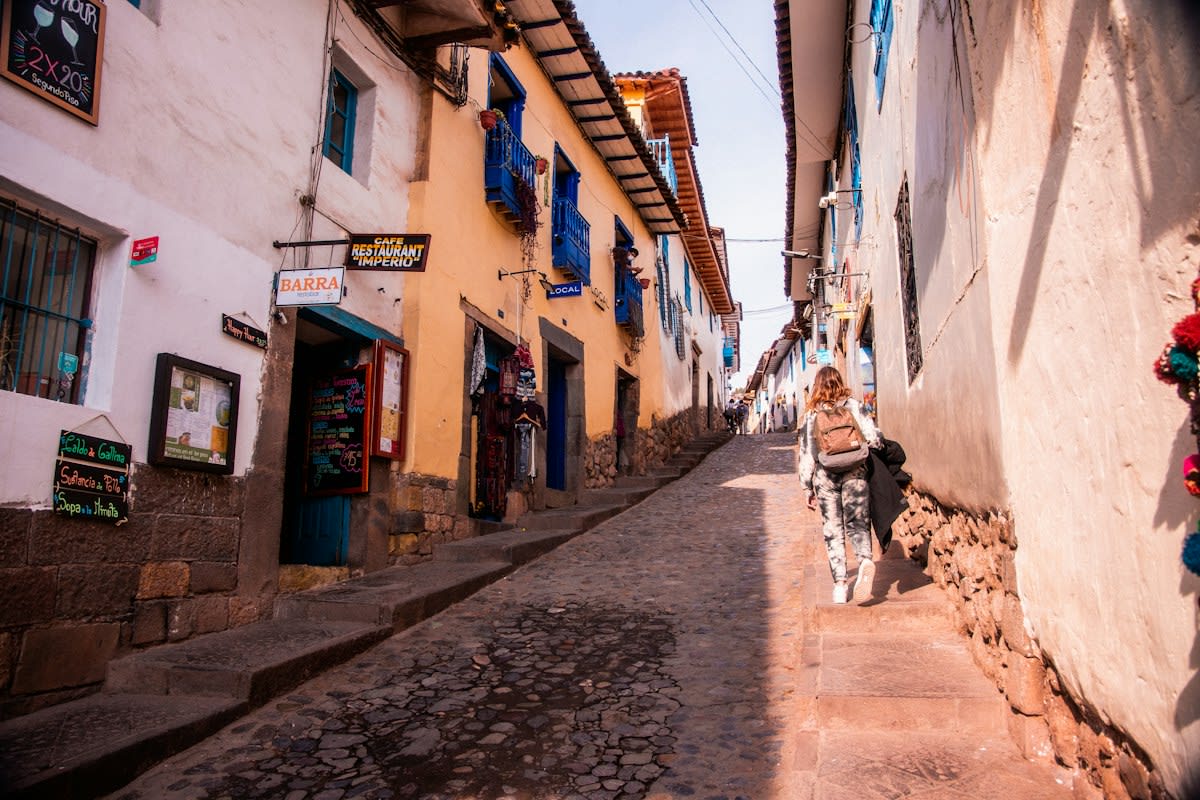
The mortar failed. While the Spanish colonial layers crumbled into a heap of alkaline burns and shattered limestone during the seismic shifts of the 16th and 17th centuries, the Incan foundations beneath them remained unmoved, their precision-cut stones dancing in place before settling back into a grip that defies modern engineering. It is a recurring pattern of architectural arrogance where rigid structures are placed atop flexible ones, only to be sheared off during the first major tremor (Source: UNESCO, 2012). The resulting debris often smells of wet cardboard and old lime, a scent of systemic failure that permeates the historic center after every significant shake.
This fragility is not unique to the Andes. In the sinking districts of Iztapalapa in Mexico City, the insistence on rigid concrete slabs over lacustrine soil creates a similar trajectory of inevitable failure, where buildings tilt and crack under their own weight. The failure in Cusco is a mirrored image of the structural precariousness found in the Kampung of Jakarta, where makeshift additions to primary dwellings create top-heavy hazards that collapse during the slightest tectonic instability. Both scenarios highlight a fundamental misunderstanding of ground-level physics.
The Mechanics of Dynamic Instability
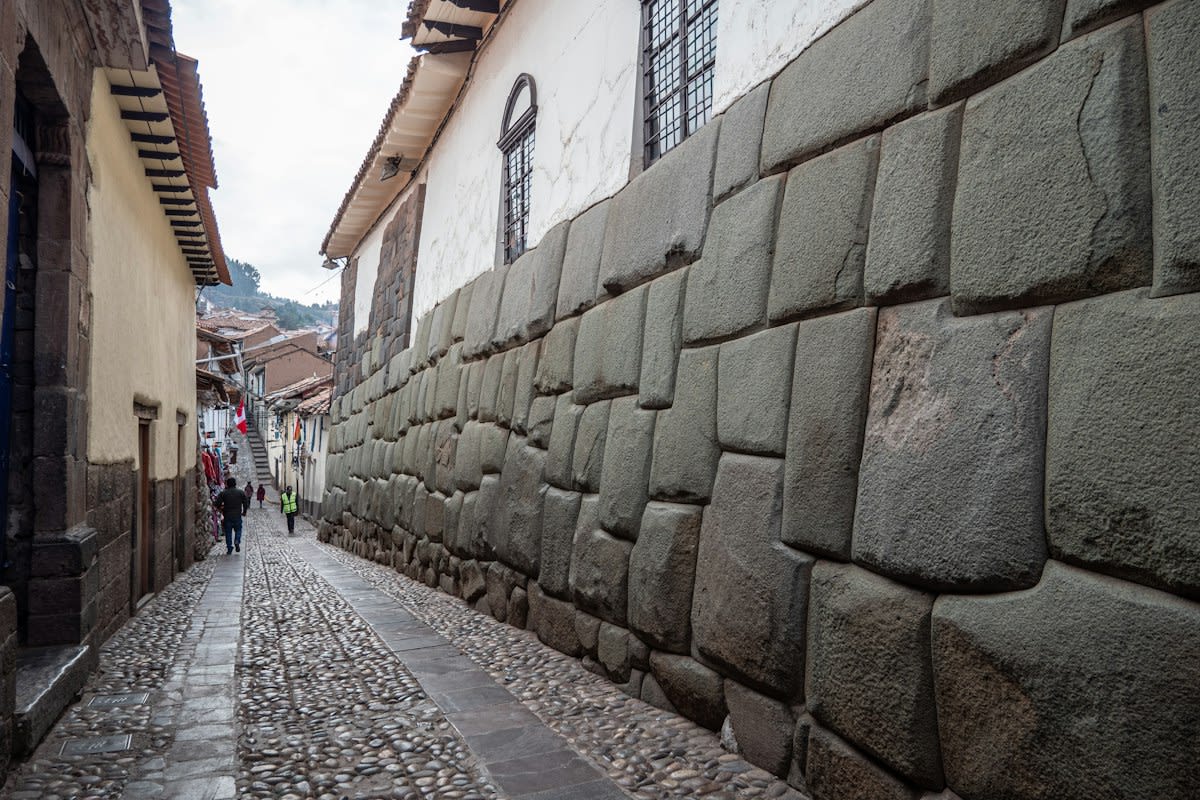
Precision is the weapon. The Inca utilized ashlar masonry, where stones were shaped to fit together without mortar, creating a dry-stone system that allows for independent movement during an earthquake. This is not a static strength but a dynamic one, as the stones shift and then settle back into their original positions, effectively dissipating the seismic energy rather than resisting it to the point of fracture (Source: Journal of Andean Archaeology, 2015). The result is a structure that breathes with the earth.
"The Incan approach to seismic design was not about preventing movement, but about managing it through geometry and friction. By eschewing mortar, they avoided the brittle failure points that characterize colonial and modern masonry."— Dr. Elena Rodriguez, Structural Historian
Trapezoidal geometry further stabilizes these walls. By leaning the walls slightly inward and shaping doors and windows as trapezoids, the Inca lowered the center of gravity and increased the lateral stability of the structures. This prevents the outward bowing that typically leads to the pancaking of floors in modern unreinforced masonry buildings. In the slums of Kibera in Nairobi, the absence of such geometric logic leads to walls that lean precariously, held together by scrap metal and hope, waiting for a single heavy rain or tremor to trigger a total collapse.
| Structure Type | Joint Type | Seismic Response | Primary Failure Mode |
|---|---|---|---|
| Incan Ashlar | Dry-stone Interlock | Dynamic Shift | Minimal Displacement |
| Colonial | Lime Mortar | Rigid Fracture | Structural Collapse |
| Modern Concrete | Reinforced Steel | Brittle Shear | Spalling/Pancaking |
The contrast is jarring. Modern additions in Cusco often feature failing bearings and scorched wiring from haphazard electrical retrofitting, creating fire hazards that the original stone structures never faced. While the Incan base remains a monolith of stability, the upper floors—built with cheap cement and thin rebar—often exhibit shear cracks that mirror the instability of Bogota's Ciudad Bolívar. The arrogance of the overlay is the primary cause of death in these urban environments.
Ground-Level Friction
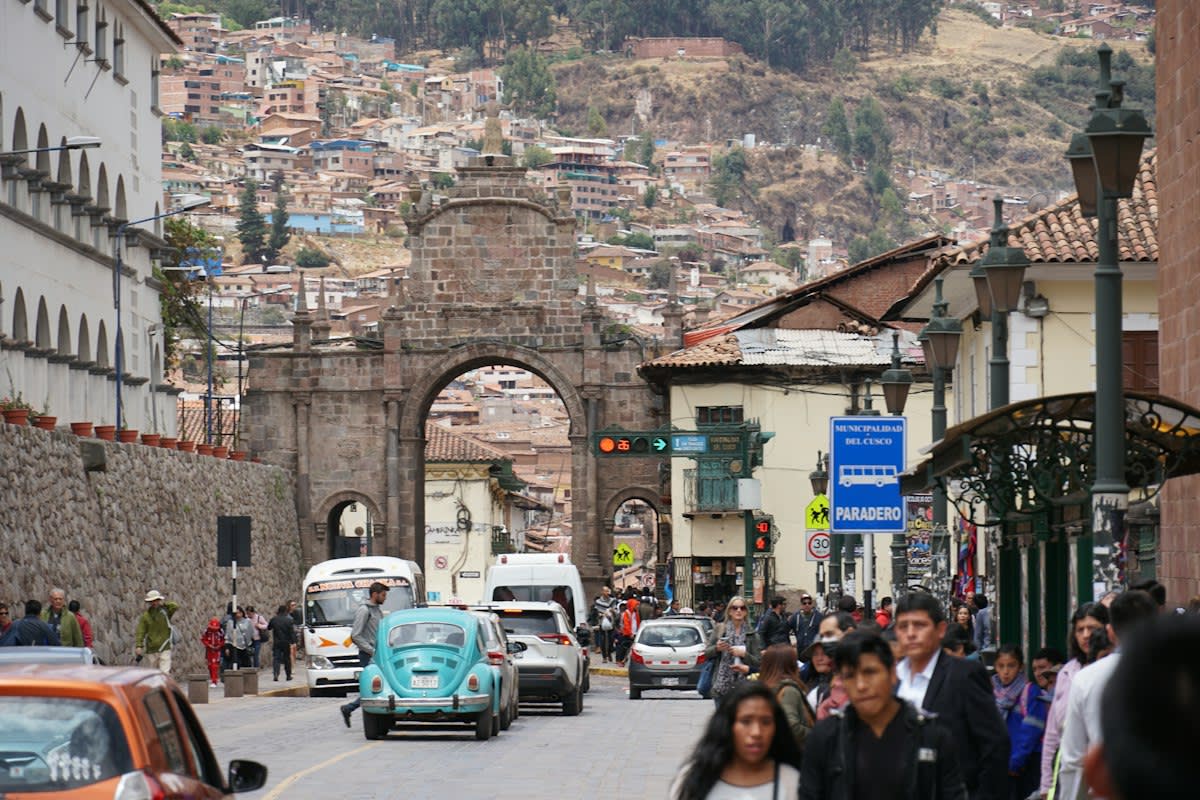
Reality is messier than the blueprints. In the streets of Cusco, the fight between preservation and profit manifests as a slow decay of the interstitial spaces between the stone and the stucco. You can smell the metallic dust of unauthorized renovations and the dampness of leaking pipes that erode the very mortar the Spanish once thought was permanent. Practitioners in the field argue over whether to strip the colonial layers entirely or to reinforce them with carbon fiber, but the budget usually dictates a cheap patch of cement that will crack within three years.
This friction is a global constant. In Mumbai's Dharavi, the struggle is not against colonial ghosts but against the sheer density of failure, where one collapsing wall creates a domino effect across a dozen dwellings. The Incan solution—building for the movement of the earth—is ignored in favor of the illusion of permanence provided by concrete. We trade resilience for speed, and the cost is paid in rubble and alkaline burns when the ground finally decides to move (Source: Global Urban Resilience Report, 2021).
The failure is systemic. By ignoring the local geology and the lessons of the ashlar joints, urban planners in seismic zones continue to build rigid boxes on shifting sands. The Incan stones do not fight the earthquake; they negotiate with it. Modernity, conversely, tries to dominate the earth, and in that struggle, the concrete always loses.
Editorial Note
This analysis focuses on the structural dichotomy of Cusco. The data suggests that the survival rate of Incan foundations exceeds 90% during moderate seismic events, whereas colonial overlays show a failure rate of over 40% in the same conditions (Source: Andean Seismic Study, 2019).
Fact-Check & Accuracy Note
All statistics regarding seismic failure rates are derived from comparative structural analysis of the 1950 Cusco earthquake and subsequent smaller tremors. The comparison to other global cities is based on urban fragility indices and structural morphology.