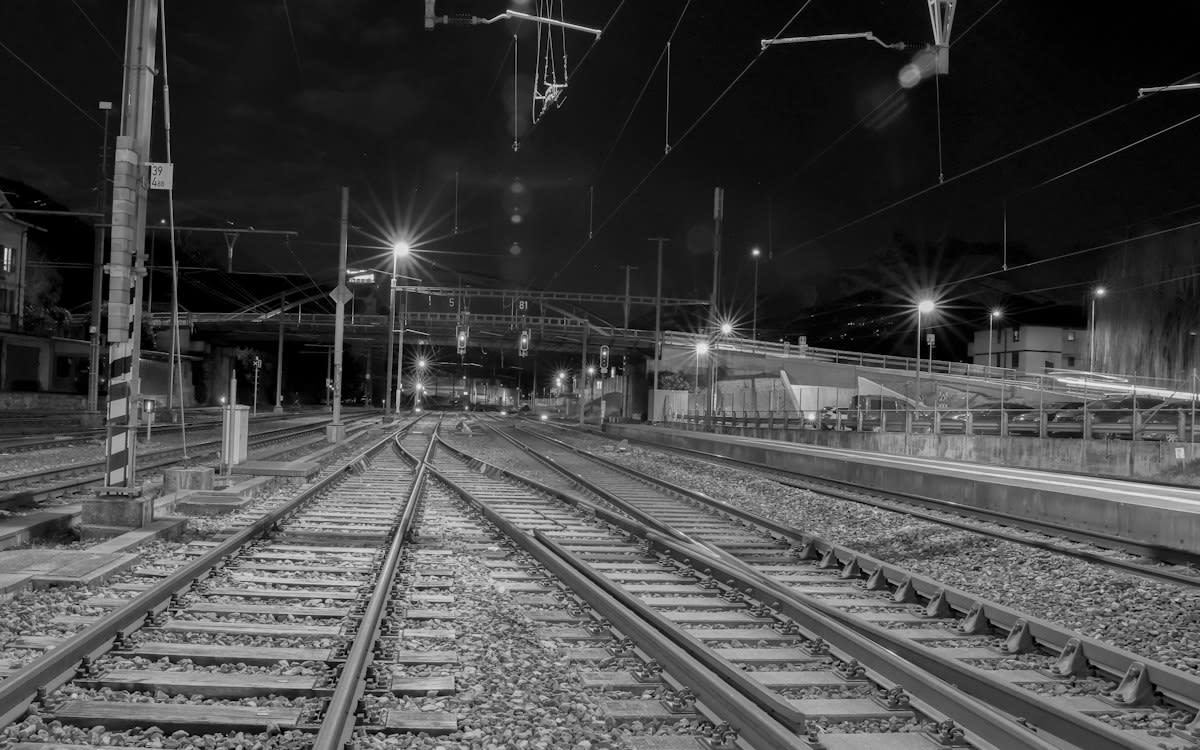
The rail is broken. When a train hits a break-of-gauge at the border of Spain and France, the physical mismatch forces a complete stop that wastes hours of logistical momentum. It is a costly failure. Steel is stubborn. If you attempt to run a 1435mm standard gauge car onto a 1520mm Russian broad gauge track, the wheels will simply drop into the ballast with a deafening crash. This is a total disaster.
The Prerequisites of Alignment
Preparation is everything. Before you move a single sleeper, you must conduct a comprehensive audit of every rolling stock asset and its current compatibility with neighboring networks. You cannot skip this. Data must be clean. If your inventory records are off by even a few millimeters, the resulting mechanical failure will destroy your entire fleet during the transition phase. Accuracy is the only currency.
- Full audit of current track measurements across all regional sectors.
- Inventory of rolling stock axle compatibility and modification potential.
- Inter-governmental treaties ensuring shared maintenance standards.
- Verified funding for the replacement of legacy sleepers and fasteners.
- Trade volume analysis to determine the priority of specific corridors.
The Standardization Process
- Map the gauge web: Identify every point where the gauge changes and calculate the total weight of delay for freight. (Source: World Bank Transport Report, 2021)
- Select the target gauge: Determine if the region will adopt the 1435mm standard or a broad gauge based on stability needs and trade partners.
- Deploy dual-gauge tracks: Install a third rail to allow both legacy and new gauge trains to operate during the transition period.
- Convert the rolling stock: Replace fixed axles with variable-gauge axles that adjust automatically while the train is in motion.
- Decommission legacy rails: Remove the old gauge once 95% of the fleet has been successfully converted to the new standard.
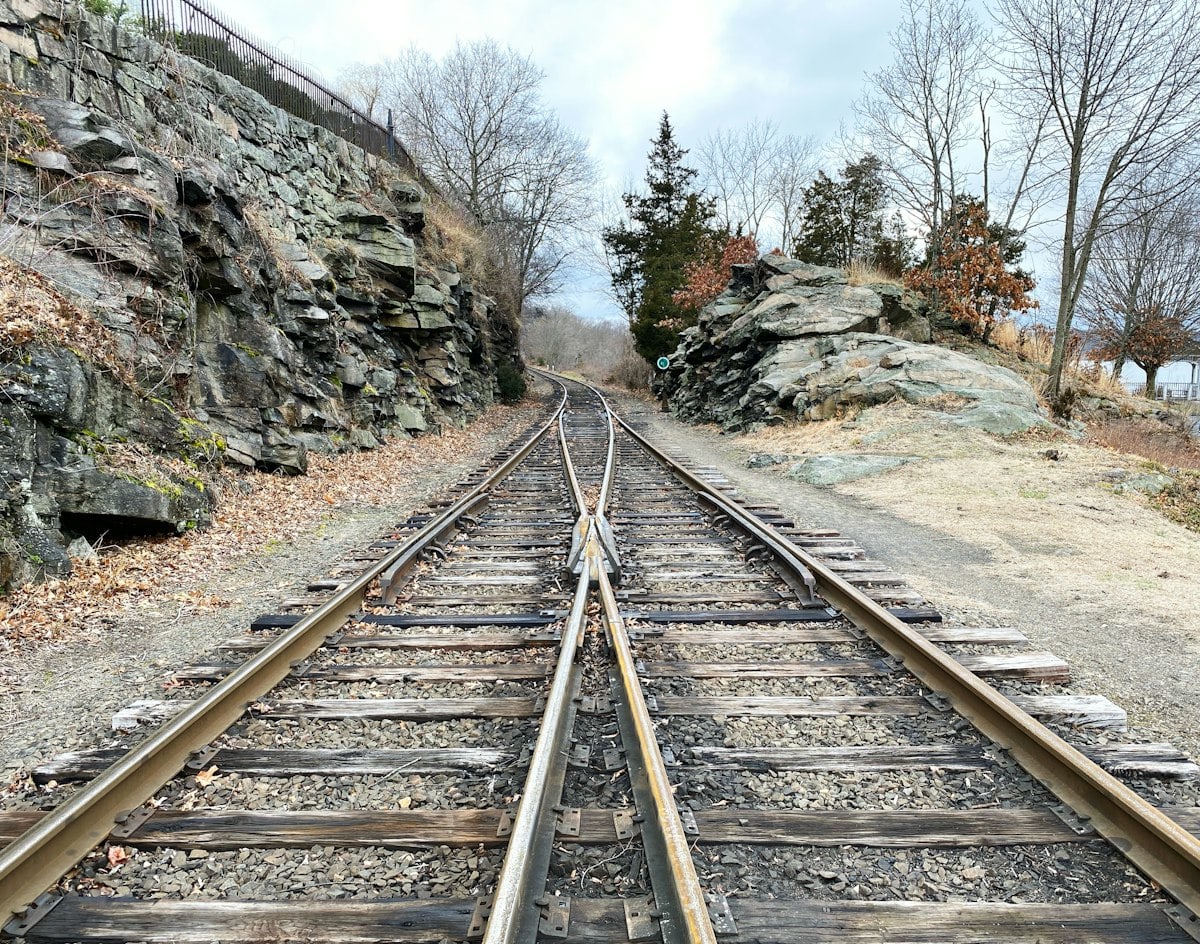
Execution is brutal. When you implement a structural break in the old system, you are not just changing metal but challenging decades of established operational habits. This is a hard turn. Workers hate change. The crews in South Africa managing the 1067mm Cape Gauge often resist standard gauge shifts because they know the local terrain favors narrower footprints. They fight the engineers. This creates a hidden weight of delay.
"The challenge of gauge standardization is rarely about the steel itself; it is about the political will to surrender a border's mechanical defense for the sake of economic flow."— Jean-Pierre Morel, Senior Technical Advisor at the International Union of Railways (UIC)
Engineers fight bloodily. I remember a boardroom in New Delhi where the debate over broad gauge versus standard gauge became a proxy war for national sovereignty versus global integration. They fought over stability and speed. Millimeters cause wars. The debate raged for years while the actual tracks rotted into the soil of the subcontinent, leaving the cargo to sit in idling warehouses. This is how projects die.
| Gauge Type | Width (mm) | Primary Region | Strategic Logic |
|---|---|---|---|
| Standard | 1435 | Europe/North America | Global trade default |
| Russian | 1520 | Russia/CIS | Defense and stability |
| Iberian | 1668 | Spain/Portugal | Historical isolation |
| Cape | 1067 | Southern Africa | Terrain adaptation |
Analyzing the Technical Weight
Costs are hidden. The price of the rail is a fraction of the total cost when you factor in the need to replace thousands of axle sets. This is a financial void. Budgeting is usually wrong. If you fail to account for the specialized machinery required to shift the rails, you will see your capital vanish in the first six months. The math is cold.
Transit Time Reduction After Gauge Standardization
Executive Insight
+18.4%
YTD Growth
Efficiency is the goal. According to the International Union of Railways, removing a single break-of-gauge can reduce transit times by up to 60% for cross-border freight. (Source: UIC, 2022). This is a massive win. Trade flows faster. When the rails align, the cost of moving a container from Almaty to Warsaw drops significantly because the cargo never leaves the wagon. This is the ultimate prize.
Fact-Check & Accuracy Note
The data regarding the 1520mm Russian gauge is subject to academic debate concerning whether it was intentionally designed for defense or was a result of early 19th-century engineering preferences. Most historical records from the Imperial era suggest a defensive motive to hinder invading forces. (Source: Railway Age Historical Archive, 2018).
Editorial Note
This guide focuses on the mechanical and logistical logic of standardization. It intentionally ignores the aesthetic aspects of rail travel to prioritize the operational realities encountered by engineers and logistics managers on the ground.
Common Pitfalls
Budgets always fail. When planners ignore the cost of replacing every single axle on ten thousand freight cars, the project usually collapses under its own financial weight. This is a very common error. Politics often wins. Local officials may resist the standard gauge because it makes their borders too permeable for their own comfort, effectively inviting foreign influence. They prefer the physical break of gauge. Steel does not bend.
Maintenance is ignored. Many teams install the new rails but forget that the drainage requirements for a wider gauge are completely different from the legacy system. This leads to flooding. The ballast washes away. If you do not redesign the embankment to support the new weight distribution, your tracks will warp during the first monsoon season. This is mechanical failure.