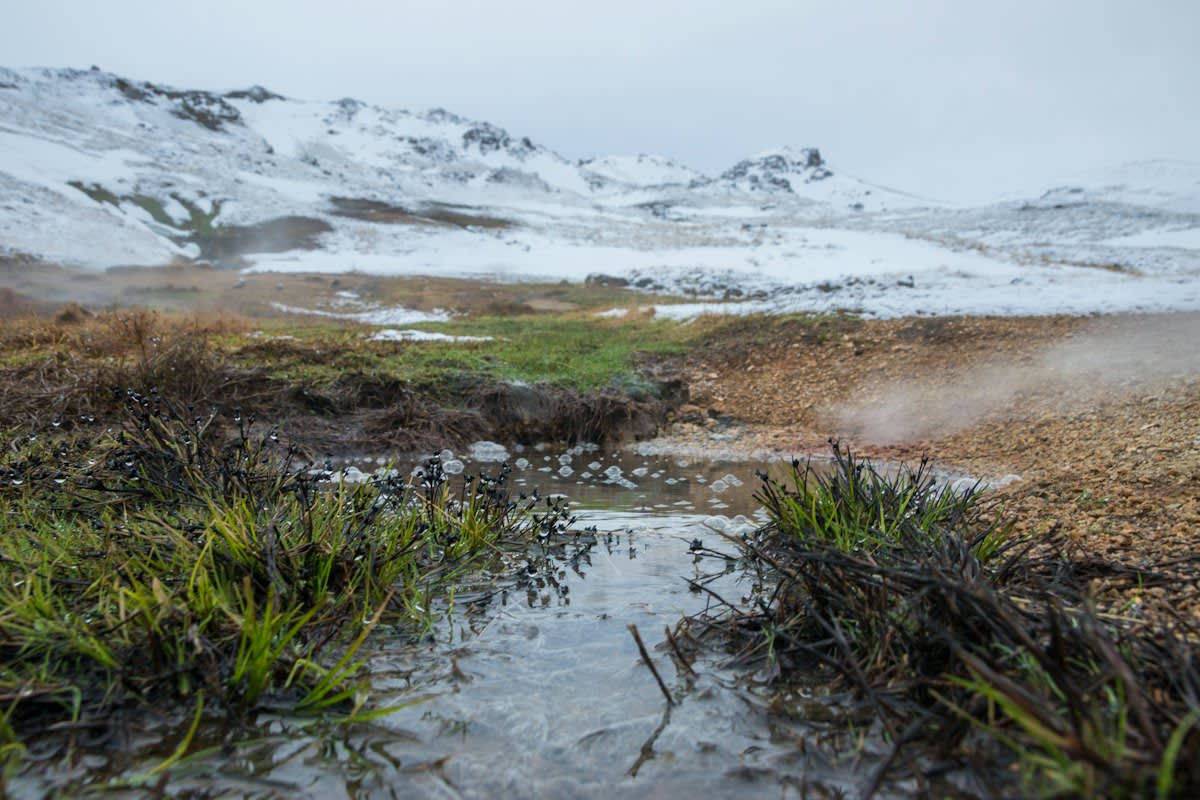
The smell of burnt rubber hits you first. It mixes with the thick, cloying scent of sulfur that clings to your clothes like a desperate debt collector. You stand on a concrete floor that saps the heat from your boots, staring at a valve coated in the grit of rust. It is a miserable place. The machinery doesn't care about the romanticized notions of renewable energy; it only cares about the pressure building up in the pipes and the inevitable failure of a rubber seal that has seen too many winters.
Prerequisites for the Field
- Heavy-duty waterproof boots with steel toes (the mud will eat anything else).
- Adjustable pipe wrenches that don't slip when coated in geothermal slime.
- A high-tolerance stomach for the scent of decomposing eggs.
- Industrial-grade sealant for emergency patch-ups in the rain.
- A thick wool sweater that you don't mind ruining with grease.
You don't just walk into a geothermal plant. You fight your way through a logistical nightmare that makes the crowded stalls of Alaba in Lagos look like a curated art gallery. Everything is improvised. You'll find tools held together by the snap of a plastic tie and pipes patched with materials that should have been decommissioned during the Cold War. The real work happens in the damp, where the air tastes of ozone and the only sound is a distant shout from a foreman who hates his life as much as you do.
How the Heat Actually Moves
The theory is simple. The reality is a mess. You drill deep into the crust to find water that the earth has cooked. This water doesn't just sit there; it pushes upward with a violence that can shred a poorly installed casing in seconds. We capture it, run it through heat exchangers, and ship it across the city in a network of pipes that are constantly trying to burst. It is a fragile dance of pressure and temperature.
- Sinking the borehole through layers of basalt until you hit the hydrothermal reservoir.
- Extracting the scalding brine using high-pressure pumps that rattle the teeth in your skull.
- Passing the brine through a heat exchanger to warm the clean municipal water without mixing the two.
- Pumping the clean, heated water through insulated district pipes buried under the frozen soil.
- Regulating the flow at the home's heat exchanger to ensure the radiator doesn't explode.
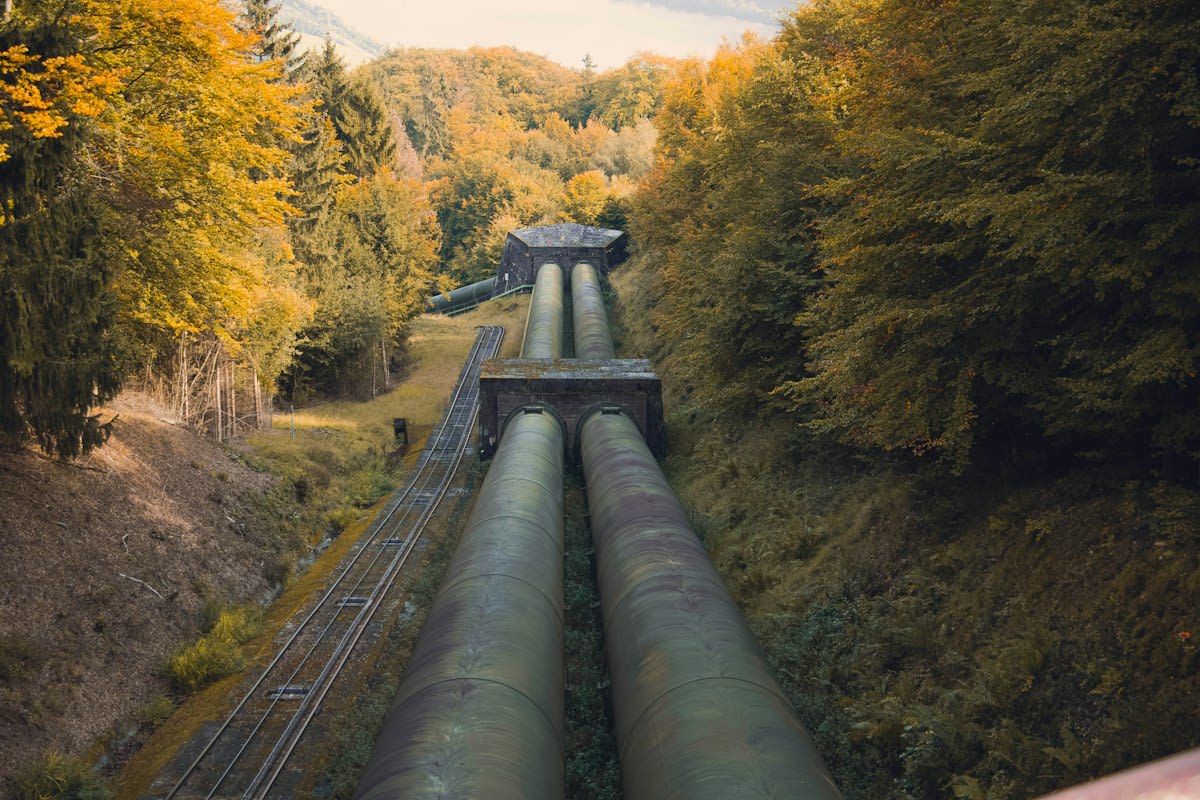
The grid is an organism. It breathes and groans under the weight of the winter demand, stretching across the city like a series of iron veins. Most people just turn a knob and feel the warmth, never thinking about the technician standing in a ditch in the middle of January. They don't see the wet slap of a fish on a nearby dock or the way the steam obscures the horizon, turning the world into a grey blur of industrial exhaust and freezing mist.
"The real battle isn't the heat; it's the minerals that want to turn your pipes into solid rock. We spend half our lives scrubbing silica scale out of systems that were supposed to be self-sustaining."— Gunnar Sigurdsson, Chief Engineer at Reykjavik Energy
Scaling is the enemy. It starts as a thin film and ends as a concrete-like plug that chokes the flow of water. You can't just flush it out. You have to use chemical washes that eat through the grime, leaving behind a residue that smells like a chemical spill in Maadi. It is a constant cycle of buildup and destruction. The pipes scream under the pressure when the flow narrows, a metallic rattle that warns you a burst is coming.
| Component | Primary Failure Mode | Field Fix |
|---|---|---|
| Heat Exchanger | Silica Scaling | Acid Flush |
| District Piping | Thermal Expansion Crack | Clamp and Seal |
| Control Valve | Corrosion/Seizing | Hammer and Lubricant |
| Pump Seal | Pressure Blowout | Full Replacement |
Numbers tell a different story than the mud. About 90% of all households in Iceland rely on this system for their heat (Source: Government of Iceland, 2022). It sounds efficient. It sounds clean. But the efficiency comes at the cost of constant manual intervention and the sheer desperation of keeping the water moving before it freezes in the lines. We've seen a 25% reduction in CO2 emissions compared to oil-based heating (Source: National Energy Authority, 2021), but that doesn't make the rust on my hands disappear.
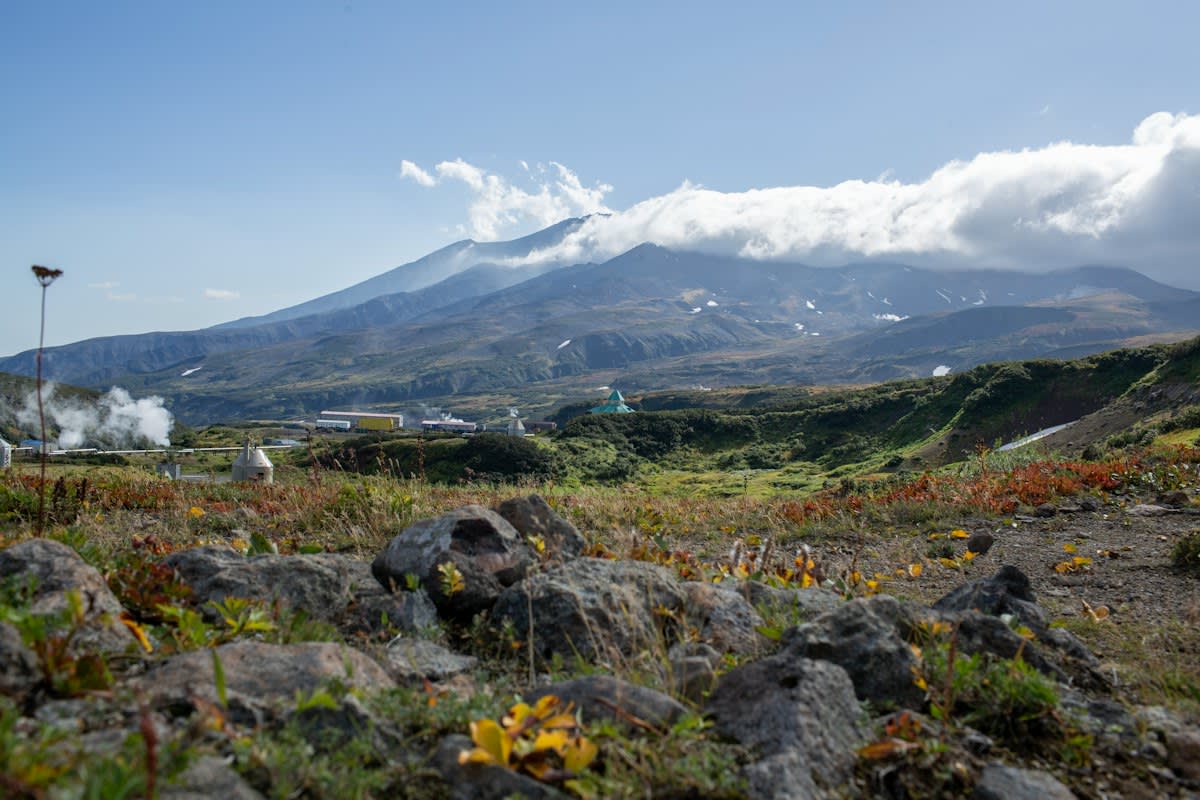
Ground-Level Friction
The textbooks say geothermal is 'set and forget.' They lie. In the field, you deal with the friction of reality. You deal with the fact that geothermal water is chemically aggressive, eating through steel and alloys with a hunger that defies the manufacturer's specifications. I have seen valves that were rated for twenty years fail in six months because the brine was more acidic than the manual admitted. It is a constant war of attrition between the earth's chemistry and human engineering.
Logistics are a joke. Imagine trying to move a five-ton heat exchanger through a landscape of volcanic rock and slush. It is a slow, grinding process. You end up using pulleys and sheer willpower, often while the wind tries to push you into a steaming vent. The cost savings are real, with some regions reporting 30% lower energy costs (Source: OECD, 2020), but the human cost is measured in ruined joints and permanent sulfur stains on your skin.
Common Pitfalls
- Overlooking the 'Scale-Up': Forgetting to schedule acid flushes leads to total system blockage.
- Underestimating the Brine: Using standard steel instead of corrosion-resistant alloys in high-sulfur zones.
- Ignoring the Expansion Joints: Failing to account for the metal's movement during temperature swings results in sheared bolts.
- Poor Insulation: Allowing the pipes to lose heat in the transit from the plant to the home, forcing pumps to work double time.
The system fails when you trust the blueprints. Blueprints don't account for the way the ground shifts after a minor tremor or the way a seal degrades when exposed to volcanic gases. You have to feel the pipe. You have to listen for the rattle that signals a pocket of air or a blockage. If you rely on the digital readouts, you are already dead in the water.
Fact-Check & Accuracy Note
While the transition to geothermal heating has drastically reduced reliance on imported fossil fuels, the maintenance of these systems requires a specialized workforce capable of handling hazardous chemical scaling and high-pressure steam environments. The 'free' energy is only free if you don't count the labor of the people in the ditches.
Editorial Note
This guide reflects the operational reality of district heating. It ignores the marketing gloss provided by tourism boards and focuses instead on the mechanical failure points and logistical hurdles faced by field technicians.