Republic of Ireland news conference delayed before controversial Israel game
Source Entity
BBC News
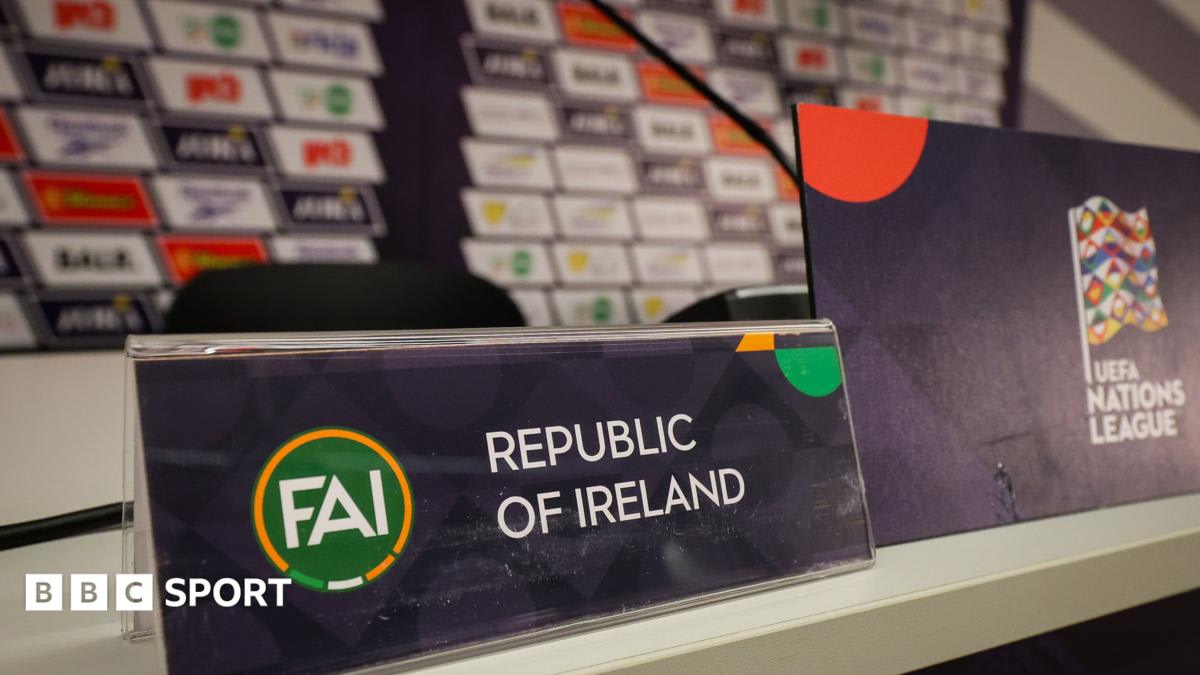
The Republic of Ireland national football team has confirmed they will play their upcoming UEFA Nations League matches against Israel. This decision followed a period of internal uncertainty and player discussions regarding calls for a boycott due to the ongoing Israel-Gaza conflict.
The Intersection of Geopolitics and International Football
The Republic of Ireland's national football team recently faced a period of intense scrutiny as they prepared for their UEFA Nations League B3 fixtures against Israel. The matches, scheduled to take place in neutral venues—Debrecen, Hungary, and Backa Topola, Serbia—became the focal point of a significant moral and political debate. The tension surrounding these games stems directly from the ongoing Israel-Gaza war, which has prompted widespread international discourse regarding the role of sports in political protest.
The Pressure to Boycott
The "Stop The Game" campaign, spearheaded by the pressure group Irish Sport for Palestine, gained significant momentum leading up to the scheduled fixtures. This movement argued that the Republic of Ireland should withdraw from the matches as a form of protest against the humanitarian situation in Gaza. The pressure was bolstered by high-profile endorsements from figures such as former national team manager Brian Kerr and ex-international player James McClean, both of whom publicly backed calls for a boycott, highlighting the deep divide between sporting neutrality and ethical advocacy.
Internal Conflict and Procedural Delays
The uncertainty surrounding the match reached a zenith on Saturday morning when a scheduled pre-match news conference with manager Heimir Hallgrimsson was abruptly postponed. The delay, occurring only 15 minutes before its start, signaled significant internal deliberations. Reports indicated that the team remained at their hotel rather than proceeding to their scheduled training session, as players engaged in a critical meeting to determine their stance. Unconfirmed reports suggested that several players, including goalkeeper Gavin Bazunu, had expressed a desire to withdraw from the fixture, underscoring the gravity of the moral dilemma faced by the squad.
The Players' Decision
Despite the significant external pressure and internal apprehension, the Republic of Ireland eventually confirmed that the matches would proceed. This outcome was the result of a direct vote taken by the players themselves. By choosing to play, the team has navigated a complex path, attempting to balance their professional obligations under UEFA's framework with the intense public discourse surrounding their participation. This decision highlights the increasing difficulty for athletes to remain detached from global political crises.
Broader Implications and Future Trends
The situation involving the Republic of Ireland and Israel reflects a broader trend in international sports, where governing bodies and national teams are increasingly forced to address political instability. While some supporters strongly advocated for a boycott, others maintained that the games should proceed to uphold the integrity of the UEFA competition. As international conflicts continue to influence the sporting landscape, this episode serves as a case study for how future teams may handle similar controversies, balancing athlete autonomy, national sentiment, and the rigid requirements of international football associations.