Xi got Trump's red carpet welcome - but not everything he wanted
Source Entity
BBC News
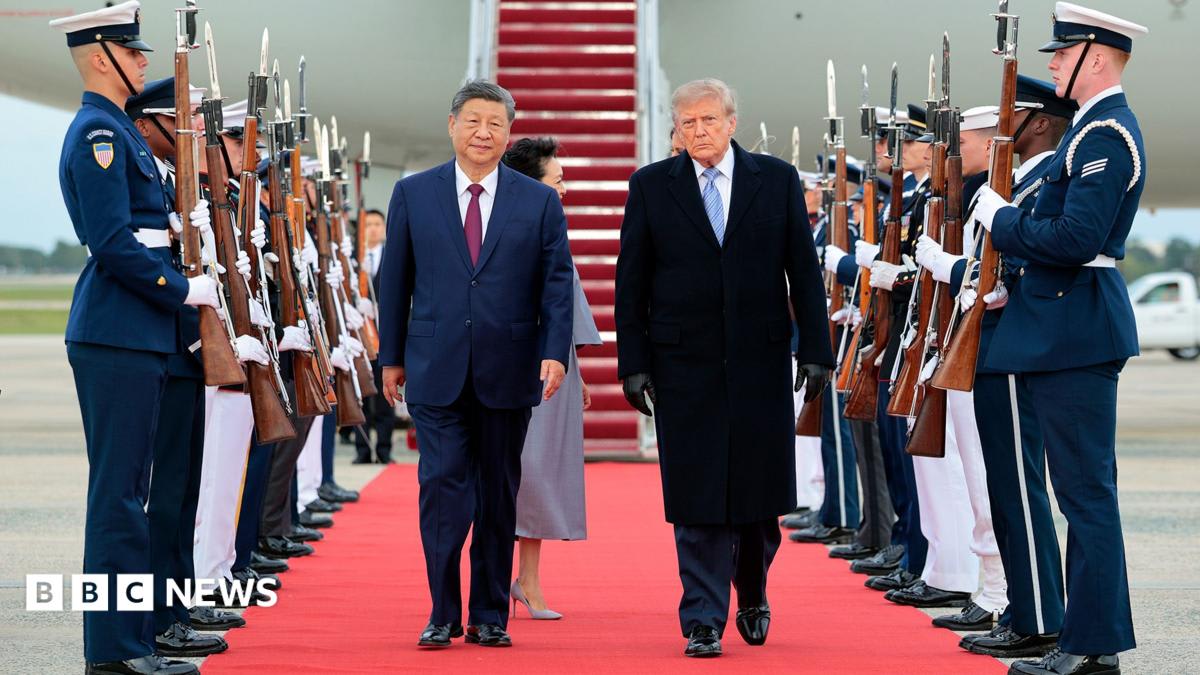
President Xi Jinping's recent summit with Donald Trump resulted in only a short-term trade truce, failing to meet China's broader goals for long-term stability. While US businesses increased orders ahead of the meeting, core tensions regarding technology, trade, and Taiwan remain unresolved.
The Fragile State of US-China Relations
President Xi Jinping’s recent diplomatic engagement with Donald Trump underscores a critical juncture in the global order. Despite the symbolic gesture of a lavish White House dinner and a formal, red-carpet welcome, the substantive outcomes of the summit suggest that the fundamental friction between the two superpowers remains largely unaddressed. China’s primary strategic aim—securing a path for its rise as a global power without interference from Washington regarding trade, technology, and Taiwan—has not been fully realized.
A Limited Trade Truce
The most tangible outcome of the summit was the extension of the trade truce, which has temporarily halted the escalation of a tit-for-tat tariff war. However, the duration of this extension—merely from November to January—falls significantly short of Beijing’s expectations. Chinese leadership had been pushing for at least a year of stability to navigate the remainder of the Trump presidency. By limiting the window to just a few months, the United States has maintained leverage, effectively pushing critical negotiations on tariffs and market access into a high-pressure future deadline.
The Shadow of Technology and Rare Earths
Beyond trade tariffs, the summit highlighted deep-seated anxieties regarding the technological landscape. China continues to seek greater access to advanced US chips and security regarding its dominance in rare earth supplies. The failure to reach a comprehensive agreement on these fronts suggests that the US remains committed to a policy of containment. These issues are not merely economic; they are foundational to the national security strategies of both nations, making them the most difficult obstacles to overcome in any bilateral negotiation.
Market Anticipation and Economic Realities
Interestingly, the private sector exhibited a degree of optimism preceding the summit. According to data from the China Beige Book, there was a surprising rebound in Chinese exports to the United States in the weeks leading up to the meeting. Companies, anticipating a period of relative stability, ramped up orders, leading to a rise in shipments on both a yearly and monthly basis. This surge indicates that while government-level relations remain volatile, the interconnectedness of the two economies drives a market-based desire for predictability.
The Taiwan Factor and Future Trends
The status of Taiwan remains a persistent flashpoint that complicates every facet of the US-China relationship. Washington’s continued involvement in the region remains a primary point of contention for Beijing. As both nations move past this summit, the future trajectory of their relationship appears to be one of managed competition rather than cooperation. The kicking forward of key disputes suggests that both sides are biding their time, with Beijing looking to solidify its domestic economic position while the US continues to utilize economic pressure to dictate the terms of the relationship.
Conclusion
In summary, the Trump-Xi summit served as a high-profile diplomatic event that provided a necessary, albeit temporary, cooling-off period for the global economy. While the red carpet was rolled out, the hard reality of divergent strategic interests remains. With trade, technology, and sovereignty disputes deferred to the coming months, the global community must prepare for a continued period of uncertainty as the world’s two largest economies struggle to define the rules of their engagement.