Govt says banks will remain open this Sunday ahead of three-day nationwide strike
Source Entity
Latest News: Todays Latest News Headlines from India & World | Hindustan Times | Hindustan Times
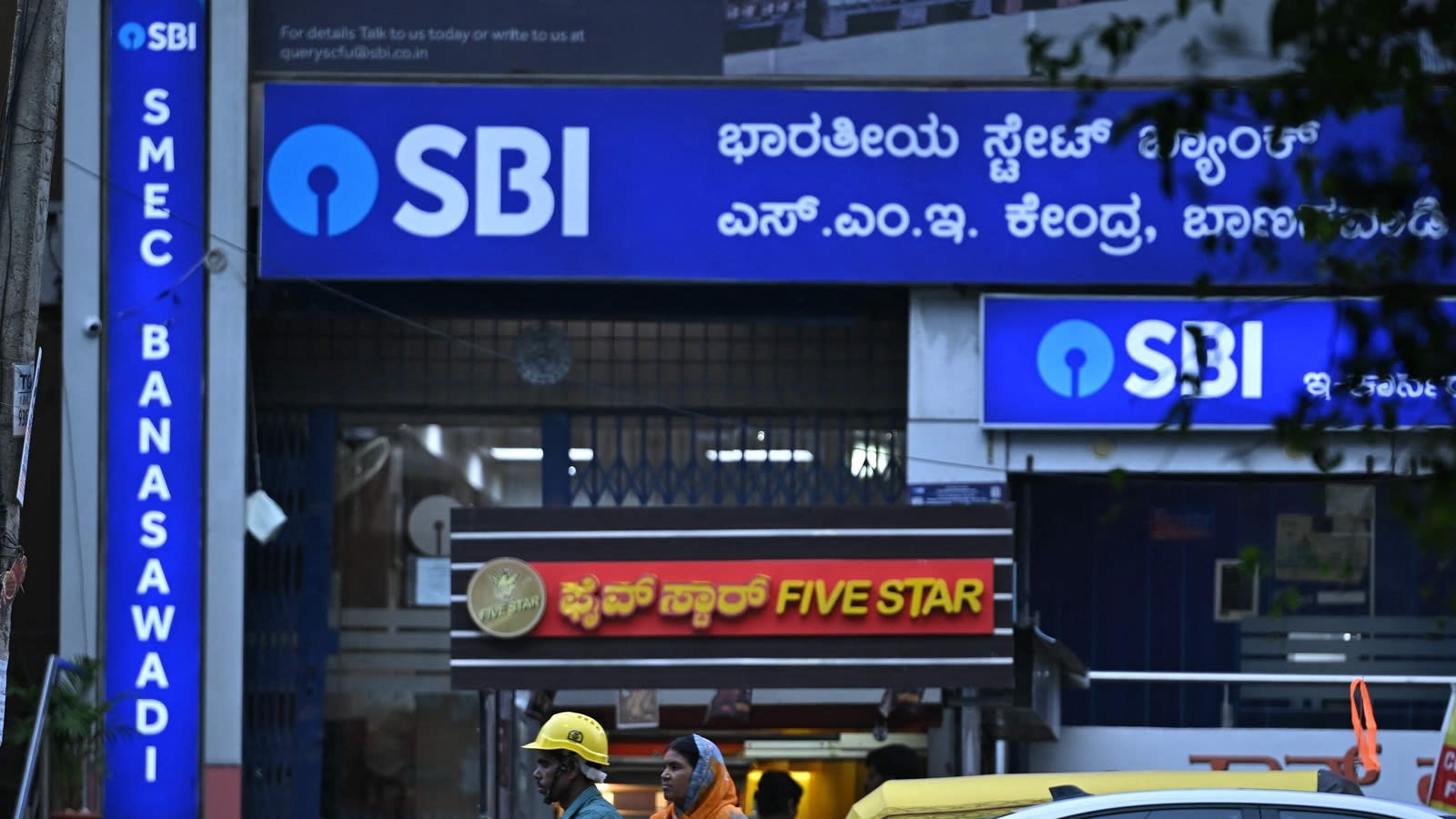
Bank unions plan a three-day nationwide strike from September 28 to 30, causing a five-day service disruption. The government has ordered banks to remain open this Sunday to mitigate customer impact and facilitate essential transactions.
Nationwide Banking Disruption: An Overview
The banking sector is facing a significant period of instability as the United Forum of Bank Unions (UFBU) prepares for a three-day nationwide strike scheduled from September 28 to 30. Because this strike period aligns with the preceding weekend, customers are bracing for a five-day window where traditional in-branch banking services will be largely inaccessible. This timing is particularly critical as it coincides with half-yearly financial closings, a period typically characterized by high transaction volumes and essential fiscal reporting requirements.
The Core Conflict: Why Unions Are Striking
The UFBU, representing approximately 90% of the banking workforce, has moved forward with this industrial action after a conciliation meeting with the Deputy Chief Labour Commissioner concluded without a resolution. The primary demand driving this protest is the implementation of a five-day work week. Furthermore, bank employees have cited growing structural concerns, including unsustainable workloads, persistent staff shortages, and the increasing burden of regulatory compliance responsibilities, as major factors necessitating this collective action.
Government Intervention and Sunday Operations
In an effort to mitigate the fallout, the government has taken proactive measures to safeguard the needs of citizens. The Finance Ministry has publicly appealed to bank employees to resolve their grievances through dialogue rather than work stoppages. As a direct response to the impending strike, the government has mandated that banks remain open this Sunday. This decision is intended to provide a critical buffer for customers, allowing them a final opportunity to complete necessary in-branch tasks before the strike commences.
Strategic Advice for Banking Customers
To navigate this five-day service interruption, experts and public sector banks are urging customers to prioritize branch-dependent activities immediately. Essential tasks, such as high-value withdrawals, documentation submission, or complex account updates, should be addressed during the Sunday window or before the strike begins. Proactive planning is essential to ensure that individual financial liquidity is not compromised during the closure.
The Role of Digital Infrastructure
While physical branches will be closed, the reliance on digital banking infrastructure has never been more vital. Banks are actively encouraging customers to transition to mobile banking, internet banking, and ATM networks to maintain access to basic financial services. The current situation serves as a litmus test for the robustness of digital banking channels in the face of widespread physical labor strikes, potentially accelerating the industry's shift toward fully automated, branch-independent financial services in the future.
Broader Implications and Future Trends
This standoff highlights the growing friction between the evolving demands of the modern banking workforce and the traditional operational requirements of the financial sector. If the demand for a five-day work week continues to be a point of contention, we may see more frequent, albeit shorter, industrial actions in the coming months. The government’s move to keep banks open on a weekend signals a commitment to maintaining consumer confidence, but it also reflects the intense pressure on the banking system to balance employee welfare with the necessity of uninterrupted economic activity.
Verification Required?