CFTC chair pushes tokenization as SEC opens door to onchain stocks
Source Entity
Cointelegraph by Ezra Reguerra
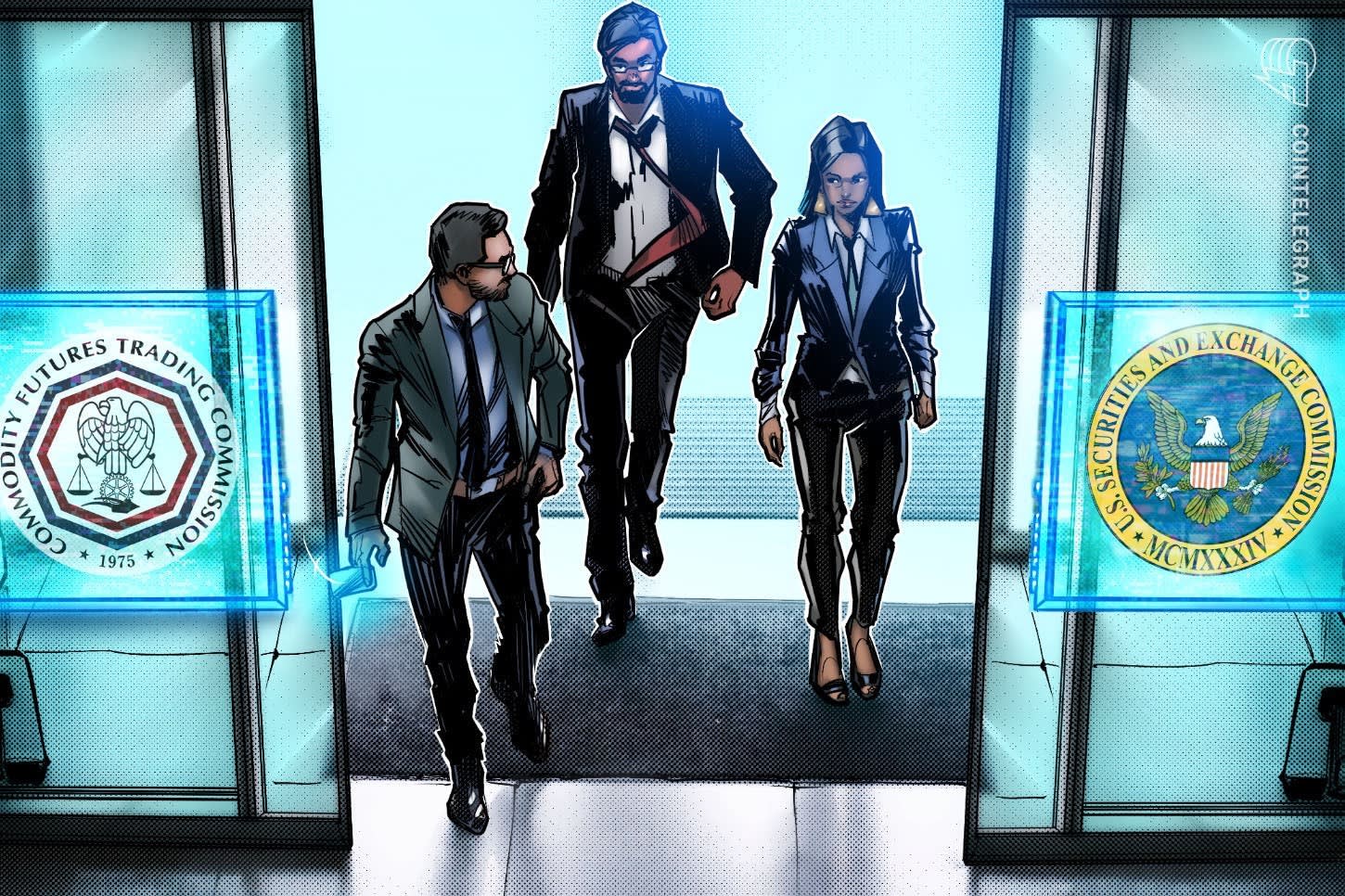
US financial regulators are advancing the tokenization of real-world assets, with the SEC introducing a five-year innovation exemption for tokenized stocks. Major entities like the NYSE and Blockchain.com are already forming partnerships to facilitate this shift, signaling a potential transformation in global market efficiency.
The Dawn of Asset Tokenization in US Markets
Financial markets in the United States are standing on the precipice of a structural transformation as regulators begin to formalize the integration of blockchain technology with traditional asset classes. CFTC Chair Michael Selig has publicly championed the concept of "mass tokenization," positioning it as the next logical evolution in financial infrastructure, comparable to the historical transition from hand-signal trading to electronic platforms. This shift is not merely speculative; it is actively being supported by the SEC’s introduction of a new five-year Innovation Exemption.
Regulatory Frameworks and Strategic Shifts
While the industry recently faced a setback regarding the CLARITY Act, both the CFTC and SEC are demonstrating resilience in their pursuit of onchain initiatives. The SEC’s new five-year path for tokenized stocks serves as a regulatory "green light" for the industry, although the commission maintains strict criteria regarding which products and venues are eligible. This development has already triggered positive market momentum, evidenced by significant price surges in major digital assets like BTC and ETH, as well as a notable 30% rally in the Uniswap (UNI) token, which investors view as a potential hub for future onchain stock trading.
Institutional Adoption and Partnerships
The most tangible evidence of this transition is the strategic partnership between the New York Stock Exchange (NYSE) and Blockchain.com. Under a newly signed memorandum of understanding, the two entities aim to provide Blockchain.com’s global user base with access to tokenized US-listed stocks and exchange-traded funds (ETFs) through the NYSE’s upcoming digital alternative trading system (ATS). This collaboration highlights the growing trend of traditional exchanges seeking to leverage blockchain technology to distribute equities more broadly.
The Efficiency Promise of Real-World Assets
At the core of this push is the tokenization of real-world assets (RWAs). According to Chair Selig, this technology offers the promise of near-instant settlement and the real-time movement of collateral between clearinghouses, intermediaries, and end-users. By removing the latency inherent in legacy settlement cycles, the financial system could see a drastic reduction in counterparty risk and capital inefficiency, theoretically allowing for a more fluid and transparent global marketplace.
The Competitive Landscape
As the market adapts to these regulatory changes, the competitive landscape among crypto-native platforms and traditional brokerages is intensifying. Firms such as Robinhood, Coinbase, Kraken, and decentralized protocols like Uniswap are all positioning themselves to capture market share in this emerging sector. Robinhood CEO Vlad Tenev has explicitly stated that "tokenization is coming to America," reflecting the industry's collective anticipation of a new regulatory era that favors onchain integration.
Future Trends and Outlook
Looking ahead, the success of these initiatives will depend on the ability of market participants to navigate the SEC’s specific regulatory requirements, as many currently available stock tokens do not yet meet the new standards. However, the momentum established by the NYSE-Blockchain.com deal suggests that institutional appetite for tokenized securities is high. As regulatory clarity continues to improve over the next five years, the integration of blockchain into the backbone of US financial markets is likely to accelerate, setting a new global standard for asset trading and settlement.