Migrants taken to Dover after more than 30 hours at sea
Source Entity
BBC News
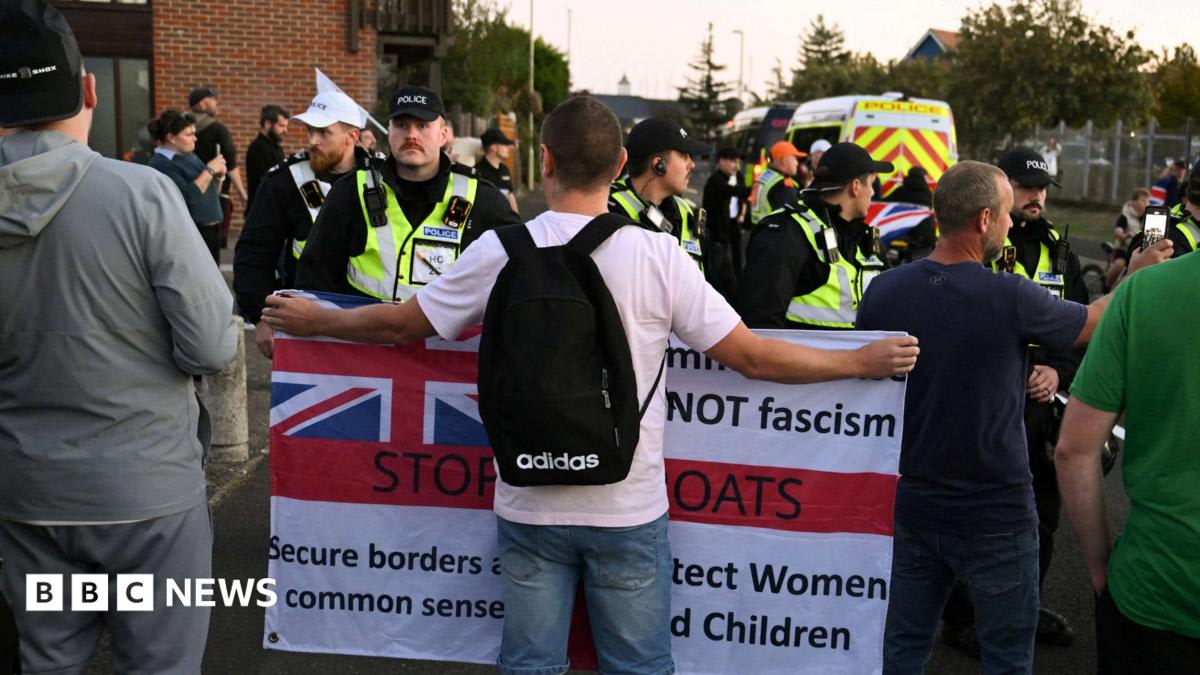
Fifty-one migrants reached Dover after spending over 30 hours at sea in a small boat departing from Normandy. The arrival follows public protests in Gosport sparked by initial rumors of the boat's landing location.
The Perilous Journey Across the Channel
A group of 51 migrants arrived in Dover at 00:30 BST after enduring a harrowing 30-hour journey across the English Channel. The vessel had departed from the Normandy coast on Monday morning, forcing those on board into what the French coastguard described as "precarious conditions." Despite being shadowed by French authorities and offered assistance, the migrants reportedly declined aid, citing a determination to reach the United Kingdom regardless of the inherent dangers involved in such a high-stakes maritime crossing.
Public Reaction and Logistical Confusion
The arrival process was marked by significant local tension, particularly in the Hampshire town of Gosport. As rumors circulated that the boat might be brought ashore there, protesters gathered on Tuesday evening to voice their opposition. This public demonstration highlights the increasing volatility surrounding small boat arrivals and the intense community scrutiny placed on government response protocols. The discrepancy between the expected landing site and the ultimate arrival in Dover underscores the unpredictable nature of these maritime operations.
The Role of Border Security Command
Following the successful interception of the vessel, British rescue boats were deployed to collect the passengers. Once secured, the migrants were transferred to the custody of the Border Security Command. This agency, tasked with the management of the UK's territorial integrity, represents the government's primary mechanism for handling irregular arrivals. The incident serves as a practical demonstration of the command's operational reach and its mandate to manage border security in real-time.
Government Policy and Operational Challenges
A spokesperson for the government emphasized that the Border Security Command operates "around the clock" to mitigate the impact of unauthorized crossings. The official stance remains firm: authorities will continue to detain, check, and process every individual arriving via small boat. This policy reflects the broader governmental effort to maintain control over national borders while navigating the complex international legal frameworks that govern asylum seekers and maritime rescue operations.
Future Implications for Migration Policy
The persistence of migrants in refusing assistance from French authorities to ensure their arrival in the UK suggests a high level of resolve, posing a significant challenge to existing deterrent strategies. As these crossings continue, the pressure on the Border Security Command to balance humanitarian obligations with border enforcement will likely intensify. The incident at Gosport serves as a bellwether for future public discourse, indicating that local communities are increasingly active in monitoring the logistics of migrant processing.
Concluding Assessment
In summary, the arrival of 51 individuals in Dover is a microcosm of the ongoing challenges facing the UK's border management. The 30-hour ordeal at sea, combined with the public mobilization in Gosport, illustrates the complex intersection of humanitarian crisis, national policy, and public sentiment. As the government continues to refine its processing capabilities, the ability to manage these arrivals efficiently while maintaining public order will remain a critical focus for domestic policy.