Financial stocks are falling as rates rise. Why that’s a problem for the broader market.
Source Entity
Michael Kramer
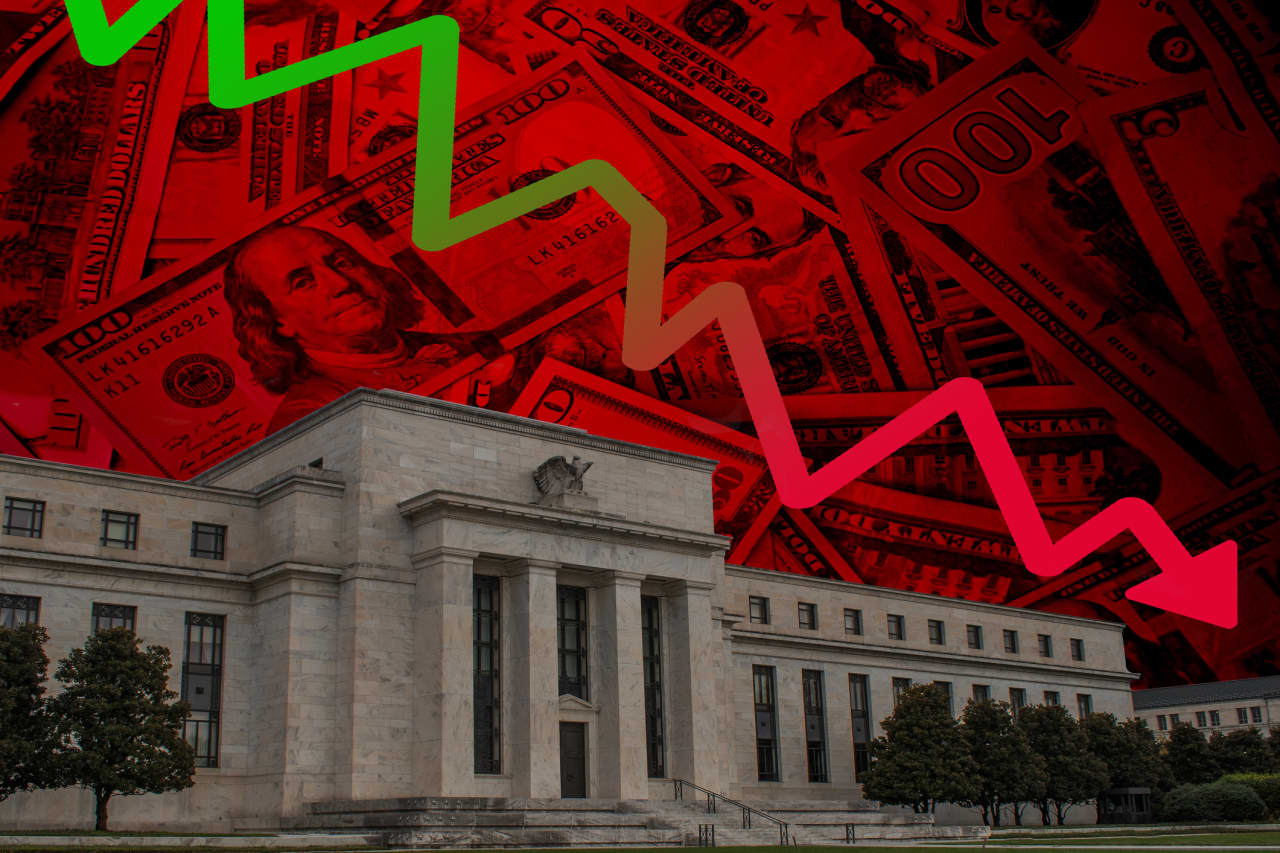
Rising interest rates are exerting significant downward pressure on financial stocks by inflating funding costs and curbing loan demand. This sector-specific decline poses a broader systemic risk to market stability and economic growth.
The Impact of Rising Interest Rates on Financial Markets
The Direct Correlation Between Rates and Bank Performance
The recent decline in financial stocks, driven by a shifting interest rate environment, highlights a fundamental vulnerability in the banking sector. As central banks adjust monetary policy to combat inflation, the immediate impact is often felt within financial institutions. When interest rates rise, banks face a dual-pronged challenge: the cost of acquiring capital increases, and the propensity for businesses and consumers to borrow decreases. This environment directly threatens the core revenue streams that drive banking profitability.
Escalating Funding Costs
One of the most pressing concerns for financial institutions in a high-rate environment is the surge in funding costs. Banks rely on various sources of liquidity to maintain their operations and satisfy regulatory capital requirements. As interest rates climb, the yield that banks must offer to depositors and institutional investors to secure funding rises in tandem. This contraction in net interest margins—the difference between what banks earn on loans and what they pay for deposits—can significantly compress profitability, leading to the observed sell-off in financial equities.
The Slowdown in Loan Growth
Beyond the internal mechanics of funding, higher rates act as a friction point for the broader economy by dampening loan demand. Credit is the lifeblood of economic expansion, and when the cost of borrowing becomes prohibitively expensive, both corporate investment and consumer spending typically contract. Banks, as the primary intermediaries of credit, see a reduction in new loan originations. This slowdown in loan growth is not merely a localized issue for the banking sector but serves as a leading indicator of a cooling macroeconomy.
Systemic Implications for the Broader Market
The financial sector often acts as a bellwether for the health of the entire stock market. Because banks are deeply interconnected with every other industry through credit facilities and debt markets, a systemic decline in bank valuations can trigger broader market volatility. If the financial sector struggles to maintain growth, investors often reassess their risk appetite across all asset classes, fearing that restricted credit availability will lead to a wider economic downturn or a potential recession.
Future Trends and Market Outlook
Looking ahead, the trajectory of financial stocks will remain heavily dependent on the duration and magnitude of current interest rate cycles. If central banks maintain a 'higher-for-longer' stance, financial institutions will need to aggressively pivot their business models toward fee-based revenue or operational efficiency to offset the decline in traditional lending income. Investors should monitor these developments closely, as the stabilization of financial stocks is likely a prerequisite for any sustained rally in the broader equity markets.
Verification Required?