Nearly 10% of borrowers opted for riskier mortgages last week, as rates soared over 7%
Source Entity
US Top News and Analysis
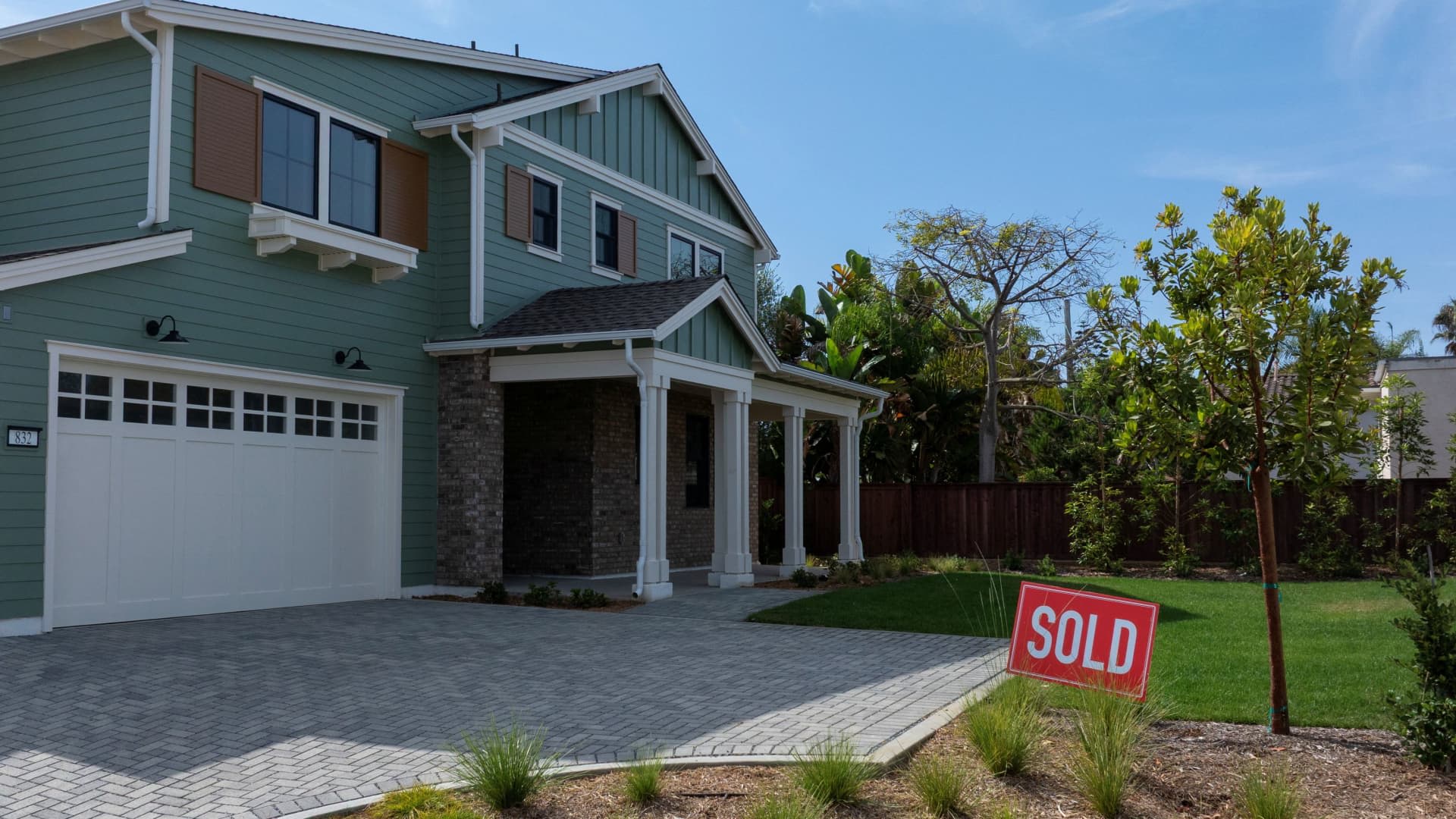
Surging mortgage rates have pushed 30-year fixed-rate loans above 7%, causing a decline in overall loan demand. Consequently, borrowers are increasingly turning to riskier adjustable-rate mortgages to secure lower initial payments.
The Mortgage Market Shift: Navigating Rising Rates
The Impact of Soaring Interest Rates
The U.S. housing market is currently grappling with a significant tightening of credit conditions as mortgage rates climb to their highest levels since 2024. Data from the Mortgage Bankers Association indicates that the average contract interest rate for a 30-year fixed-rate mortgage has surged to 7.12%, up from 6.97% the previous week. This rapid escalation in borrowing costs has placed immense pressure on prospective homebuyers, effectively cooling market activity and causing total loan application volume to contract by 1.5%.
A Shift Toward Riskier Financial Vehicles
As the cost of borrowing for conventional fixed-rate loans becomes increasingly prohibitive, a notable trend has emerged: nearly 10% of borrowers are now opting for riskier adjustable-rate mortgages (ARMs). While these products offer lower initial interest rates compared to their fixed-rate counterparts, they introduce long-term volatility for the homeowner. By choosing these instruments, borrowers are essentially betting that they can manage future rate fluctuations or refinance before the introductory period ends, a strategy that carries significant financial risk in a high-interest-rate environment.
The Decline in Refinancing Activity
The current economic climate has also decimated the refinancing market. Applications to refinance home loans dropped by 3% this week alone, reaching levels 62% lower than the same period last year. This represents the lowest volume of refinancing activity since February 2025. With rates significantly higher than the historic lows seen in recent years, the incentive for homeowners to refinance has effectively vanished, leaving the mortgage industry struggling to maintain volume as the primary pipeline—new home purchases—also faces headwinds.
Structural Challenges in the Housing Sector
The increase in points—rising to 0.73 from 0.72—further compounds the financial burden on borrowers. These upfront costs, combined with the higher interest rates, serve as a barrier to entry for many potential buyers. The current scenario highlights a broader structural challenge: as long as inflation and economic indicators keep interest rates elevated, the barrier to homeownership will continue to rise, forcing consumers to choose between delaying their purchase or accepting financial products with less favorable long-term profiles.
Future Outlook and Economic Implications
Looking ahead, the persistent trend of rising rates suggests that the housing market may remain suppressed for the near term. The pivot toward riskier loan products is a clear signal of consumer desperation to maintain affordability. If this trend continues, lenders may face increased scrutiny regarding the quality of their loan portfolios, and the housing market could see a sustained period of reduced transaction volume, impacting everything from real estate commissions to construction starts and the broader economy.