India can't simply stop buying Russian oil. Nirmala Sitharaman explains why
Source Entity
Latest News: Todays Latest News Headlines from India & World | Hindustan Times | Hindustan Times
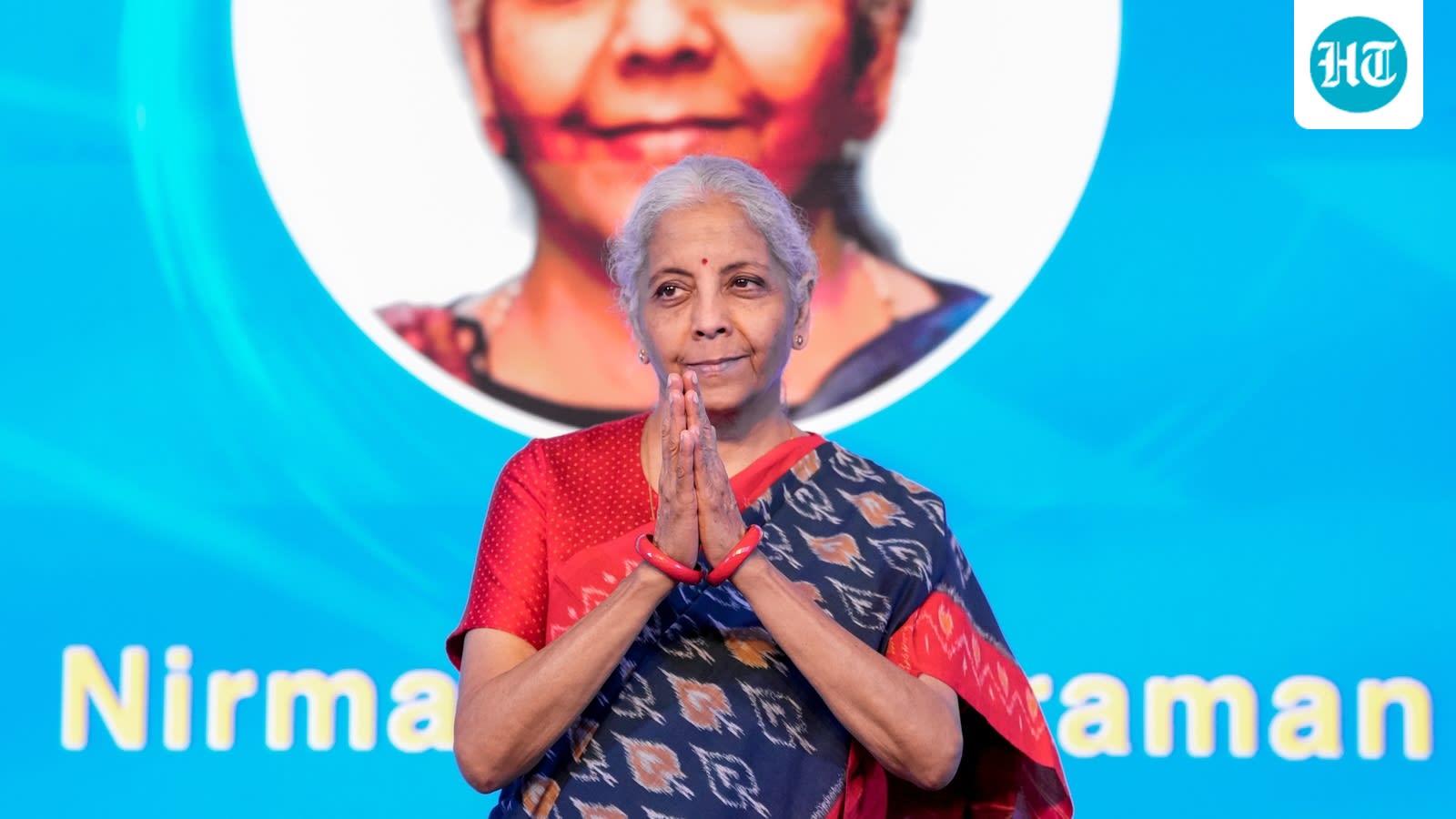
Finance Minister Nirmala Sitharaman stated that India cannot cease Russian oil imports due to limited global supply and the risk of price spikes. Prioritizing national interest, India maintains these purchases to ensure energy security for its 1.4 billion citizens.
India's Strategic Stance on Russian Energy Imports
Recent statements by Union Finance Minister Nirmala Sitharaman have clarified India's pragmatic approach to global energy markets in the wake of the ongoing Russia-Ukraine conflict. Addressing the BusinessLine Changemaker Awards, Sitharaman emphasized that India cannot simply pivot away from Russian crude oil without risking significant economic instability. This stance reflects a calculated policy of prioritizing national interest amid a volatile global landscape where energy security remains a critical pillar of statecraft.
The Economics of Global Supply Constraints
The core of the Finance Minister’s argument rests on the fundamental economic principle of supply and demand. Sitharaman noted that the global pool of available crude oil is currently limited. If a major consumer like India were to abruptly exit the Russian market, the sudden reallocation of demand toward other suppliers would inevitably drive global prices upward. This inflationary pressure would not only affect India but also ripple across the global economy, exacerbating the challenges faced by emerging markets.
Balancing Geopolitics and Domestic Needs
India’s decision to continue purchasing Russian crude is deeply rooted in the necessity of supporting a population of 1.4 billion people. For a developing economy, energy affordability is directly linked to inflation control, transportation costs, and industrial output. By maintaining access to Russian energy, the government seeks to shield its citizens from the extreme price volatility that would result from a restricted supply chain, thereby ensuring that the nation's developmental trajectory is not derailed by external geopolitical shocks.
The Impact of New Sanctions
The geopolitical landscape has become increasingly complex following the signing of the Lindsey O Graham Sanctioning Russia and Iran Act into law by US President Donald Trump. While international sanctions aim to pressure Moscow, India’s leadership has consistently maintained that its energy procurement is driven by the pragmatic requirement to secure affordable fuel. This highlights a persistent tension between Western-led sanction regimes and the energy security imperatives of non-aligned nations.
Future Trends in Energy Diplomacy
Looking ahead, India’s energy strategy appears set to remain characterized by 'strategic autonomy.' As the global energy market continues to adjust to the disruptions caused by the conflict in Ukraine, India is likely to continue balancing its international diplomatic relations with the hard reality of its domestic energy requirements. The government's focus will remain on stabilizing prices while navigating the evolving legislative environment created by US-led sanctions targeting Russian and Iranian exports.
Conclusion
In summary, Nirmala Sitharaman’s remarks underscore the complexities of global energy interdependence. By prioritizing the economic well-being of its 1.4 billion citizens, India is navigating a narrow path between international pressure and the necessity of maintaining a stable energy supply. As long as global supply constraints persist, India's measured engagement with Russian energy will remain a fundamental aspect of its broader economic and security strategy.
Verification Required?