Indian sailor killed as MV Cape Dao ship comes under attack in Gulf of Oman
Source Entity
The Indian Express
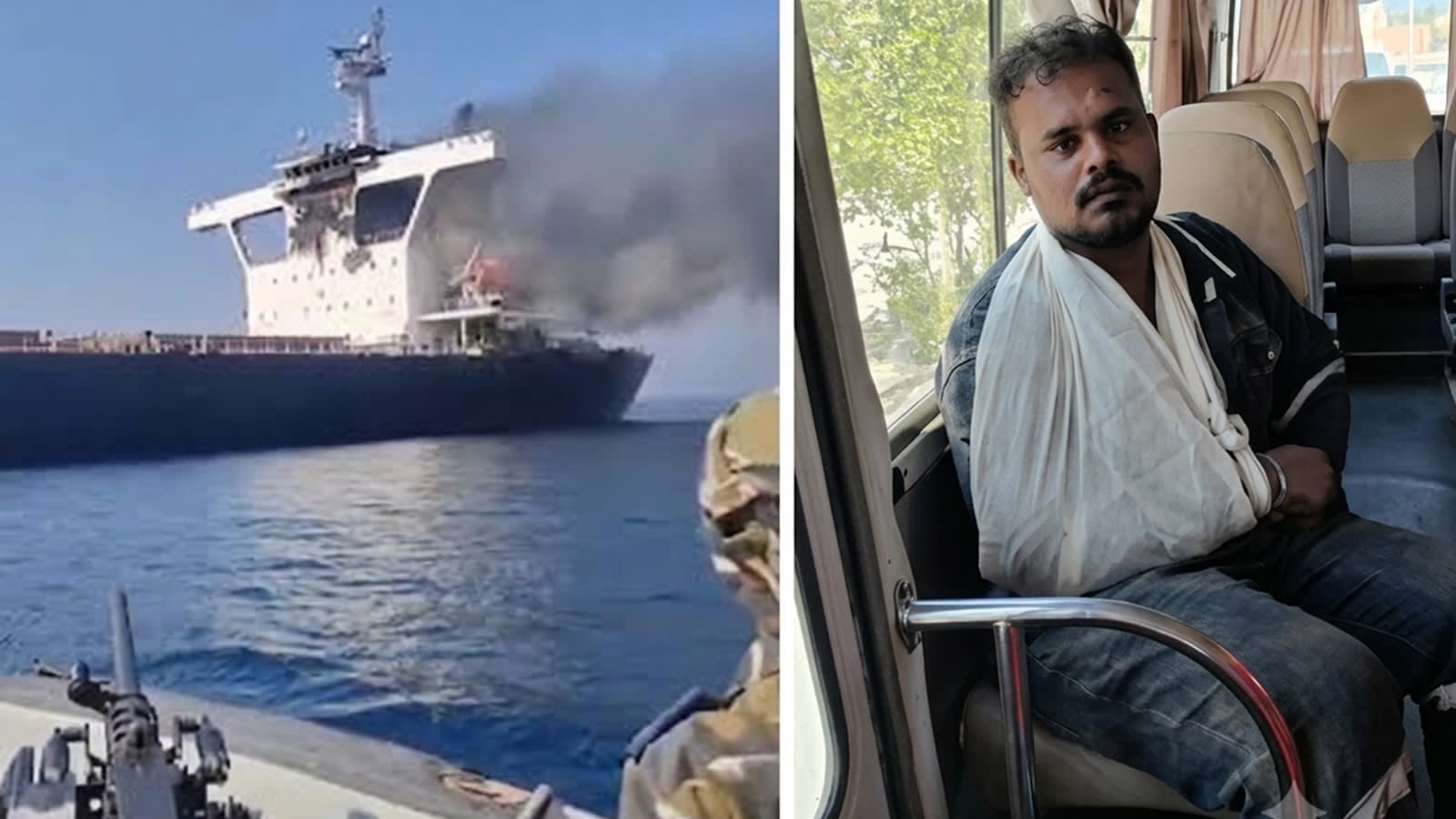
An Indian seafarer, Suraj Yadav, was killed following a targeted attack on the bulk carrier MV Cape Dao off the coast of Oman. The Indian government is currently coordinating with Omani authorities to ensure the safety and repatriation of the surviving crew members.
Tragedy in the Gulf: MV Cape Dao Attack Analysis
Incident Overview
The maritime security landscape in the Gulf of Oman has faced a grave disruption following a fatal attack on the Antigua and Barbuda-flagged bulk carrier, MV Cape Dao. While the vessel was transiting from Mina Saqr toward India, it was struck by projectiles—identified by reports as torpedoes or missiles—targeting the port side, specifically impacting the accommodation area and the engine room. This deliberate assault resulted in the tragic death of Suraj Yadav, a wiper from Uttar Pradesh, while the remaining Indian crew members were safely evacuated to a jetty in Oman.
Diplomatic and Governmental Response
The Indian Ministry of External Affairs (MEA) and the Indian Embassy in Muscat have moved swiftly to manage the aftermath. Official statements confirm that the mission is in constant coordination with Omani authorities to secure the safety of the survivors and facilitate their early repatriation. The government's immediate involvement underscores the high priority placed on the protection of Indian nationals serving in the global merchant marine sector, as well as the nation’s stance on the necessity of secure international maritime corridors.
The Vulnerability of Global Maritime Routes
The Gulf of Oman serves as a critical artery for global trade, particularly for energy and bulk commodity transit. The attack on the MV Cape Dao highlights the persistent risks faced by commercial shipping in these contested waters. By striking the accommodation and engine room, the attackers demonstrated a capability to threaten both the vessel's operational integrity and the lives of the crew, marking a significant escalation in the tactical nature of maritime threats in the region.
Impact on Seafarer Safety and Union Concerns
Trade unions, including the Forward Seamen's Union of India (FSUI), have voiced deep concern regarding the safety of Indian seafarers in conflict-prone transit zones. The loss of a crew member during routine transit emphasizes the dangers that merchant mariners face, often as collateral victims in broader geopolitical tensions. This event is likely to trigger renewed calls for enhanced security protocols and international naval cooperation to protect civilian vessels.
Broader Regional Geopolitical Context
This incident does not occur in a vacuum. It follows a pattern of heightened tension in the region, evidenced by recent reports of other vessels, such as an LPG tanker carrying Indian nationals, facing drone threats near the Strait of Hormuz. These recurring incidents suggest an environment where commercial shipping is increasingly exposed to kinetic military actions. As India continues to rely heavily on sea-based trade, the protection of these routes remains a cornerstone of its maritime security strategy.
Future Implications and Outlook
Moving forward, the international community will likely face pressure to bolster maritime patrols and intelligence sharing to deter further attacks. For India, the focus remains on the repatriation of the surviving crew and potential diplomatic dialogues to address the safety of its citizens at sea. The tragedy of the MV Cape Dao serves as a stark reminder of the fragile state of maritime security in the Middle East and the ongoing requirement for robust international oversight to ensure the safety of global supply chains.
Multiple Citing Sources