The Metro Saturation Point
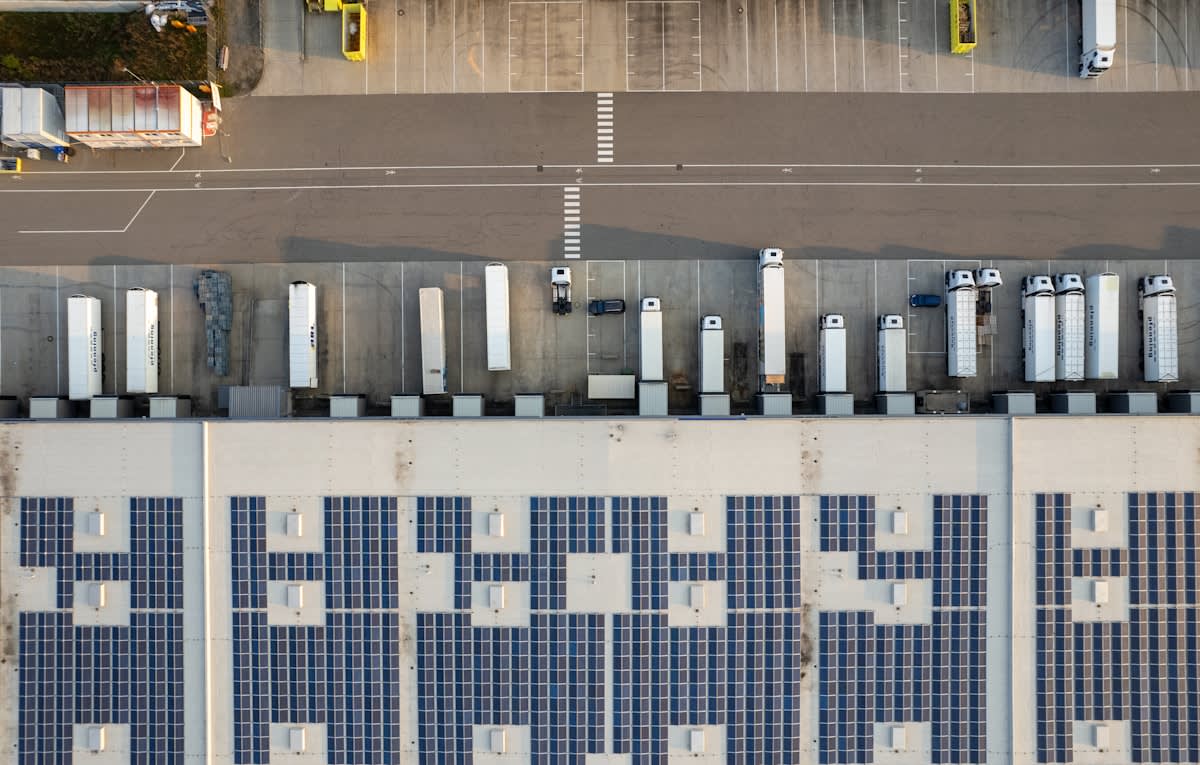
The congestion in Mumbai and Delhi isn't just a nuisance; it is a balance sheet liability. For decades, global firms tethered their distribution networks to these Tier 1 anchors, accepting the inevitable frictions of urban sprawl and archaic road networks. Now, the math has changed. The cost of idling a fleet of trucks for six hours at a city perimeter frequently outweighs the expense of transporting goods an extra 200 kilometers to a streamlined hub in a secondary city.
Real estate in these metros has reached a breaking point where the cost per square foot for Grade A warehousing prohibits scalability. Companies are no longer looking for the shortest distance to the customer, but for the most predictable path. This realization has triggered a migration toward cities like Indore, Nagpur, and Coimbatore, where land is abundant and the regulatory environment is significantly more agile.
The Gati Shakti Catalyst
The PM Gati Shakti National Master Plan has fundamentally altered the geography of movement. By integrating 16 ministries into a single digital platform, the government is eliminating the silos that previously made multi-modal transport a nightmare. We are seeing the birth of a synchronized network where rail, road, and air are no longer disparate modes but a single, fluid pipeline. This synchronization makes secondary cities viable because the 'last mile' is no longer a gamble.
Consider the Dedicated Freight Corridors (DFCs). These are not mere tracks; they are high-capacity arteries designed to move goods at speeds that were previously impossible in the Indian context. When a freight train can bypass the passenger congestion of the main lines, a hub in a city like Kanpur or Lucknow becomes just as efficient as one on the outskirts of Delhi, but at a fraction of the operational overhead.
| Metric | Tier 1 Metros (Avg) | Tier 2 Hubs (Avg) |
|---|---|---|
| Avg Land Lease Cost | High (Premium) | Moderate to Low |
| Turnaround Time (TAT) | Unpredictable (Traffic) | High Predictability |
| Regulatory Ease | Complex/Bureaucratic | Accelerated/Incentivized |
| Labor Availability | Expensive/High Attrition | Competitive/Stable |
This infrastructure push is not happening in a vacuum. It is the physical manifestation of a broader economic goal to reduce logistics costs from roughly 14% of GDP to under 10%.
The GST Aftershock
Before the Goods and Services Tax (GST), warehouse placement was a tax-avoidance exercise. Companies maintained dozens of small, inefficient godowns in every state to avoid cross-border taxes. GST killed that inefficiency overnight. Now, the driver is pure logistics logic. Firms are consolidating those fragmented depots into a few massive, high-tech regional distribution centers located in secondary cities that offer the best geographic access to multiple states.
"The transition from tax-driven warehousing to efficiency-driven warehousing is the single most significant structural realignment in Indian supply chains in thirty years."— Industry Analyst, Logistics Asia
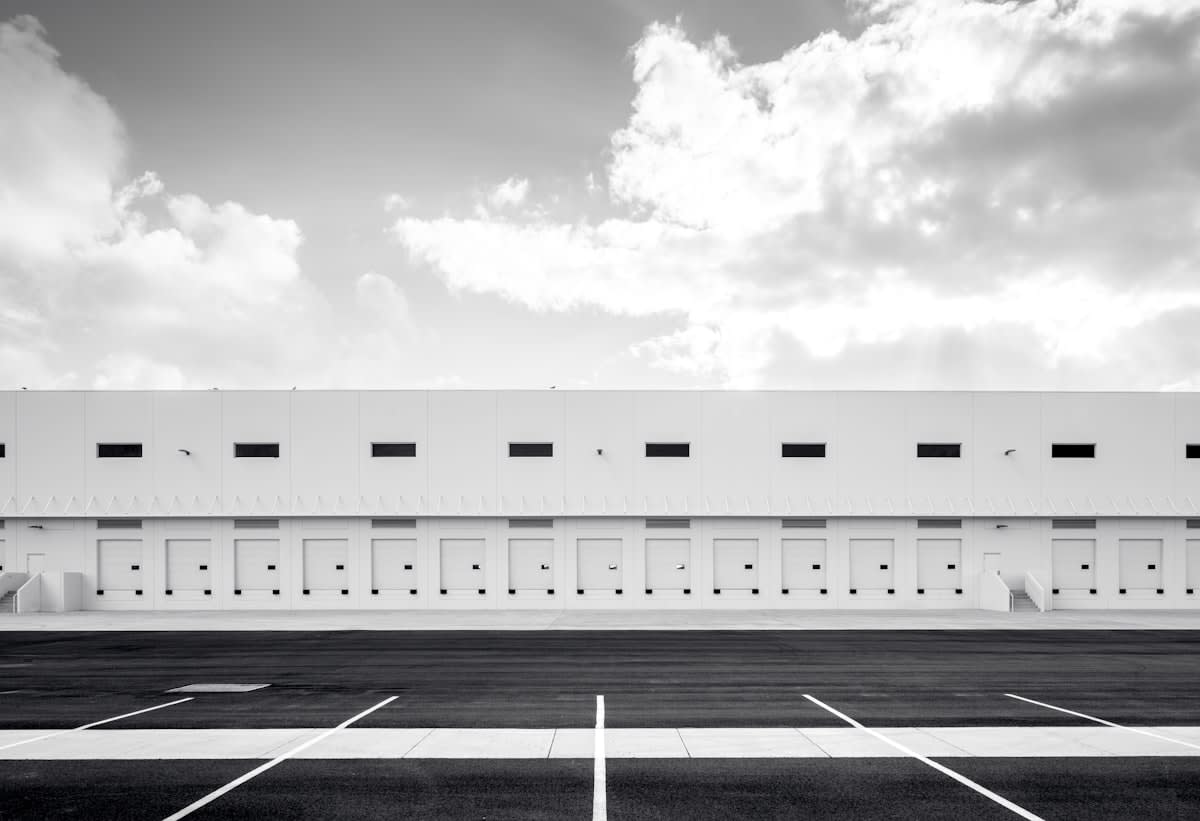
This consolidation has fueled the demand for Grade A warehousing—facilities with high ceilings, FM2 flooring, and advanced fire safety. In cities like Surat and Jaipur, we are seeing the emergence of these institutional-grade assets. These are not the dusty warehouses of the past; they are automated hubs utilizing Warehouse Management Systems (WMS) to track inventory in real-time, catering to a global standard of precision.
The resulting delta is stark. Twelve months ago, the focus was on 'last-mile' optimization within the city. Today, the focus is on 'middle-mile' efficiency across the region.
Regional Powerhouses: The New Map
Indore has emerged as the undisputed heart of Central India. Its position as a crossroads for North-South and East-West corridors makes it the ideal staging ground for companies serving the Madhya Pradesh and Rajasthan markets. By bypassing the bottlenecks of the larger metros, firms can shave 12 to 18 hours off their delivery cycles for the hinterland.
Nagpur, often called the 'Zero Mile' city, is leveraging its central location to become a multimodal hub. The integration of the Multi-modal International Cargo Hub and Airport at Nagpur (MIHAN) is attracting global players who want a single point of entry for the entire subcontinent. Why land in Mumbai and fight the traffic to the interior when you can land in Nagpur and radiate outward in every direction?
Projected Growth of Grade A Warehousing in Tier 2 Cities (2023-2026)
Executive Insight
+18.4%
YTD Growth
In the south, Coimbatore is mirroring this trend. As the industrial backbone of Tamil Nadu, it is evolving from a manufacturing center into a logistics node. The proximity to ports and the rise of electronics manufacturing in the region have made it a critical link for the export-import chain, reducing the reliance on the saturated Chennai port corridors.
These cities are not just providing space; they are providing a new kind of operational resilience. When a monsoon floods a Mumbai suburb, the entire western gateway can choke. A distributed network across secondary cities ensures that a single point of failure does not paralyze the national supply chain.
The E-commerce Delta
The most aggressive driver of this shift is the democratization of consumption. E-commerce is no longer a luxury of the urban elite. The fastest growth in online orders is now coming from Tier 2 and Tier 3 cities. To maintain a 'next-day delivery' promise in a town like Gwalior or Madurai, companies cannot rely on a warehouse in Delhi. They need inventory positioned closer to the consumer.
This has led to the rise of 'hyper-local' fulfillment centers. These are smaller, high-velocity hubs that act as satellites to the larger regional centers. The interaction between a massive hub in Indore and a satellite center in a smaller town creates a tiered architecture that maximizes speed and minimizes cost. It is a sophisticated play in spatial economics.
The Policy Engine
The National Logistics Policy (NLP) is the invisible hand here, providing the framework for the Unified Logistics Interface Platform (ULIP), which allows different stakeholders to share data seamlessly, reducing the paperwork that traditionally plagued secondary city operations.
We are witnessing a fundamental rewrite of the Indian economic map. The dominance of the 'Big Four' metros is fading in favor of a polycentric model. This is not a slow evolution; it is a rapid migration fueled by policy, technology, and the sheer necessity of efficiency. The secondary city is no longer the periphery; it is the new center of gravity for global logistics.