Silence is no longer a byproduct of nature; it is an asset class. For decades, the global elite signaled status through accumulation—bigger yachts, rarer gemstones, more expansive portfolios. But as the digital noise of the 21st century reaches a deafening crescendo, the value proposition has inverted. We are witnessing a systemic shift where the most expensive thing you can buy is the absence of everything else. Why? Because in a world of total visibility, invisibility is the only remaining exclusivity.
This is not a simple trend in wellness or a passing fad for digital detoxing. It is a fundamental reconfiguration of how we value geography and time. When every square inch of the globe is mapped, tagged, and uploaded in real-time, the 'unmapped' becomes the ultimate premium. We are seeing the emergence of a 'Quiet Economy,' where the premium is placed not on the amenities provided, but on the distractions removed. The luxury is not the five-star service; it is the guarantee that no one knows where you are.
The Commodification of the Void
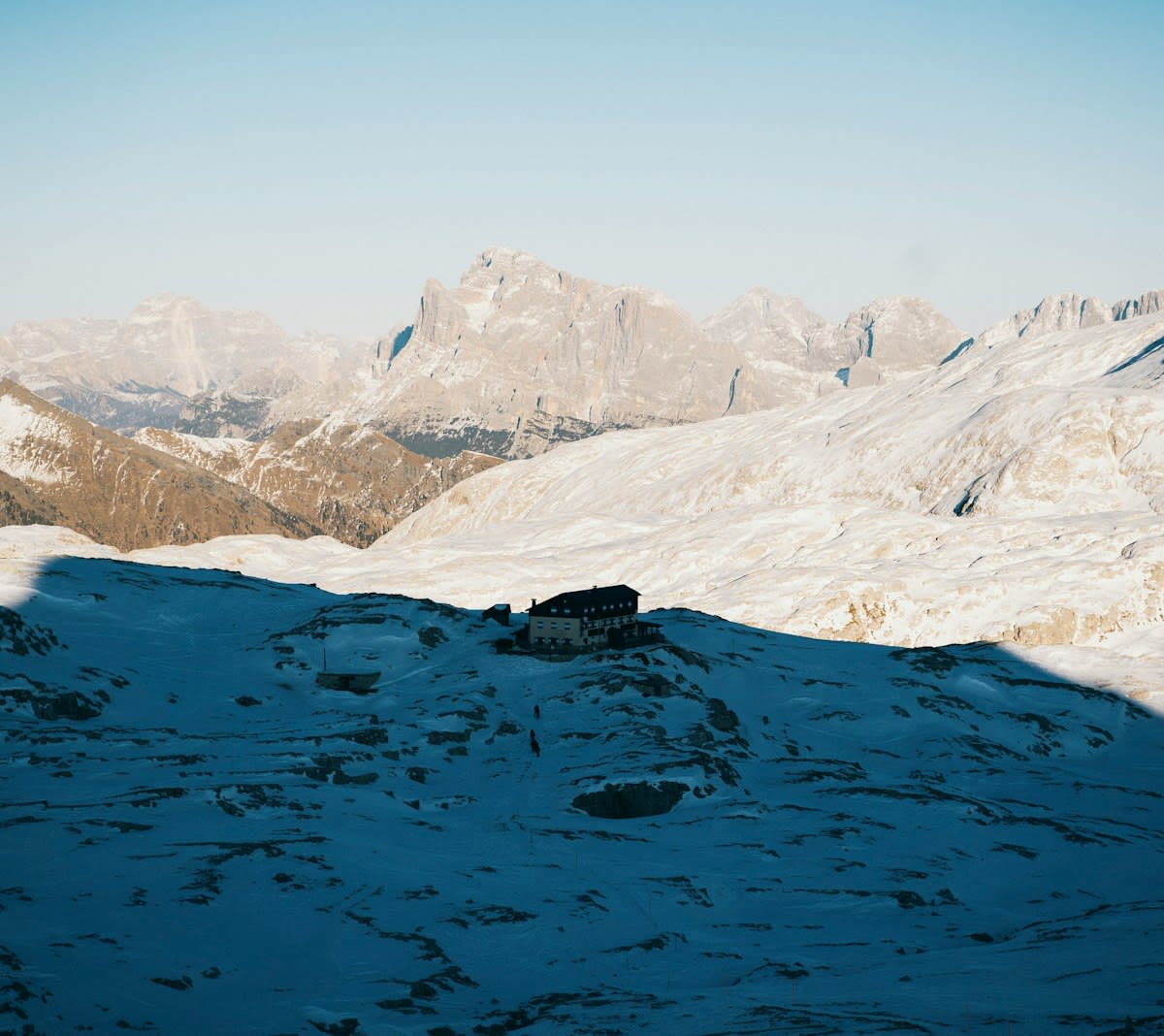
How does solitude become a commodity? By treating the environment as a filter. In the traditional luxury model, the goal was to bring the world to the client—concierges, global shipping, instant access. The new model does the opposite: it builds a fortress against the world. This 'Geography of Quiet' is being strategically developed in the fringes of the globe, from the highlands of Bhutan to the remote fjords of Norway and the deserts of Namibia. These locations are no longer marketed as 'destinations,' but as 'voids' where the noise of the global economy cannot penetrate.
The economic implications are stark. According to the World Tourism Organization's 2023 analysis on high-value travel, there is a measurable pivot toward 'low-impact, high-seclusion' tourism, with a significant increase in spending per capita for properties that offer guaranteed privacy over traditional luxury amenities (Source: UNWTO, 2023). This is the privatization of silence. When a resort charges $5,000 a night for a cabin with no Wi-Fi and no other guests within five miles, you aren't paying for the wood and glass; you are paying for the absence of other people.
"The modern luxury consumer is no longer seeking to be seen; they are seeking to be forgotten. The ultimate status symbol is no longer the invitation to the party, but the ability to decline every invitation without explanation."— Julian Vane, Lead Strategist at Global Vista Research
Is this merely an escape for the wealthy, or a systemic reaction to the erosion of cognitive boundaries? The latter. As the boundary between work and life dissolves through the smartphone, the only way to reclaim agency is through physical distance. This has created a new real estate gold rush: the search for 'dark zones'—areas with minimal satellite coverage or intentional signal jamming. These zones are becoming the new gated communities of the 21st century.
The Practitioner's Friction: Development vs. Disappearance
On the ground, the tension is palpable. As a practitioner in global land strategy, I've seen the internal debates that rage in development boardrooms. There is a fundamental paradox: the moment you build a luxury retreat to provide solitude, you threaten the very solitude you are selling. The friction arises when 'seclusion' becomes a brand. Developers are now debating 'invisible infrastructure'—how to provide world-class medical and culinary support without the guest ever seeing a staff member or a service road. The goal is a curated illusion of total abandonment.
We often argue about the ethics of 'exclusive voids.' When a billionaire buys a massive tract of land in the Patagonian wilderness to ensure they are the only human for twenty miles, they aren't just buying land; they are removing that silence from the public commons. This leads to a systemic displacement where the 'luxury of absence' for a few creates a 'scarcity of space' for many. The debate is no longer about environmental impact—it is about the socio-economic right to silence.
This shift is also redefining the labor market within the luxury sector. We are seeing a move away from the 'servant' model toward the 'ghost' model. The most highly valued employees are those who can anticipate every need while remaining entirely unseen. The skill set has shifted from active hospitality to strategic invisibility. If a guest realizes they are being managed, the illusion of solitude is broken, and the value of the asset plummets.
The Economics of the Void
To understand the financial pivot, we must compare the traditional luxury index with the emerging Absence Index. While traditional luxury relies on the 'Additive Model' (adding more features to increase price), the new luxury relies on the 'Subtractive Model' (removing features to increase price). The value is found in the delta between the noise of the city and the silence of the retreat.
| Metric | Traditional Luxury (Additive) | Absence Luxury (Subtractive) |
|---|---|---|
| Primary Value Driver | Material Rarity (Gold, Diamonds) | Spatial Rarity (Silence, Distance) |
| Connectivity Goal | Hyper-connected / Global Access | Intentional Disconnection / Dark Zones |
| Service Model | Conspicuous Presence (Butler, Staff) | Invisible Orchestration (Ghost Service) |
| Status Signal | Visible Ownership (Logos, Assets) | Invisible Access (Unlisted Locations) |
| Pricing Logic | Cost of Materials + Brand Premium | Scarcity of Absence + Privacy Guarantee |
The financialization of this trend is evident in the rise of 'Privacy-as-a-Service' (PaaS). High-net-worth individuals are now investing in private islands not for the beach, but for the legal and physical boundaries they provide. According to reports on global wealth migration, there is a growing correlation between the acquisition of remote land and the desire to exit the 'attention economy' (Source: World Economic Forum, 2024). The asset is no longer the land itself, but the silence it enforces.
The Future of the Quiet Economy
What happens when the void is full? As more people chase the luxury of absence, the 'Quiet Economy' will face its own inflation. The most remote corners of the earth are already seeing a price surge. We are moving toward a future where silence is tiered. There will be 'commercial silence' (expensive resorts) and 'true silence' (privately owned, unreachable territories). The gap between these two will become the new class divide.
However, this shift also presents an opportunity for resilience. By valuing absence, we are inadvertently creating a financial incentive to preserve wilderness. If silence is the most expensive asset, then preserving the silence of a forest or a mountain range becomes a strategic economic move rather than just an environmental one. The 'Luxury of Absence' could, paradoxically, be the most effective tool for global conservation if managed through strict, low-density zoning.
Ultimately, the drive toward solitude is a confession. It is an admission that our current mode of existence is unsustainable. When the world's most powerful people pay millions to feel like they don't exist, they are signaling that the 'connected' life is a burden. The future of the global economy may not be about who can connect the most people, but about who can provide the most effective way to disappear.
Fact-Check & Accuracy Note
This analysis is based on emerging trends in high-net-worth travel and land acquisition. Key claims regarding the shift toward low-impact, high-seclusion tourism are sourced from UNWTO (2023) and the World Economic Forum's (2024) observations on wealth migration. The 'Absence Index' and 'Ghost Model' of service are conceptual frameworks used by strategic analysts in the luxury sector to describe current market pivots. There is ongoing debate among sociologists regarding the 'privatization of silence' and its impact on public land access.