The call of conscience and fear of heeding it, writes the Election Commissioner who wrote a dissent
Source Entity
Ashok Lavasa
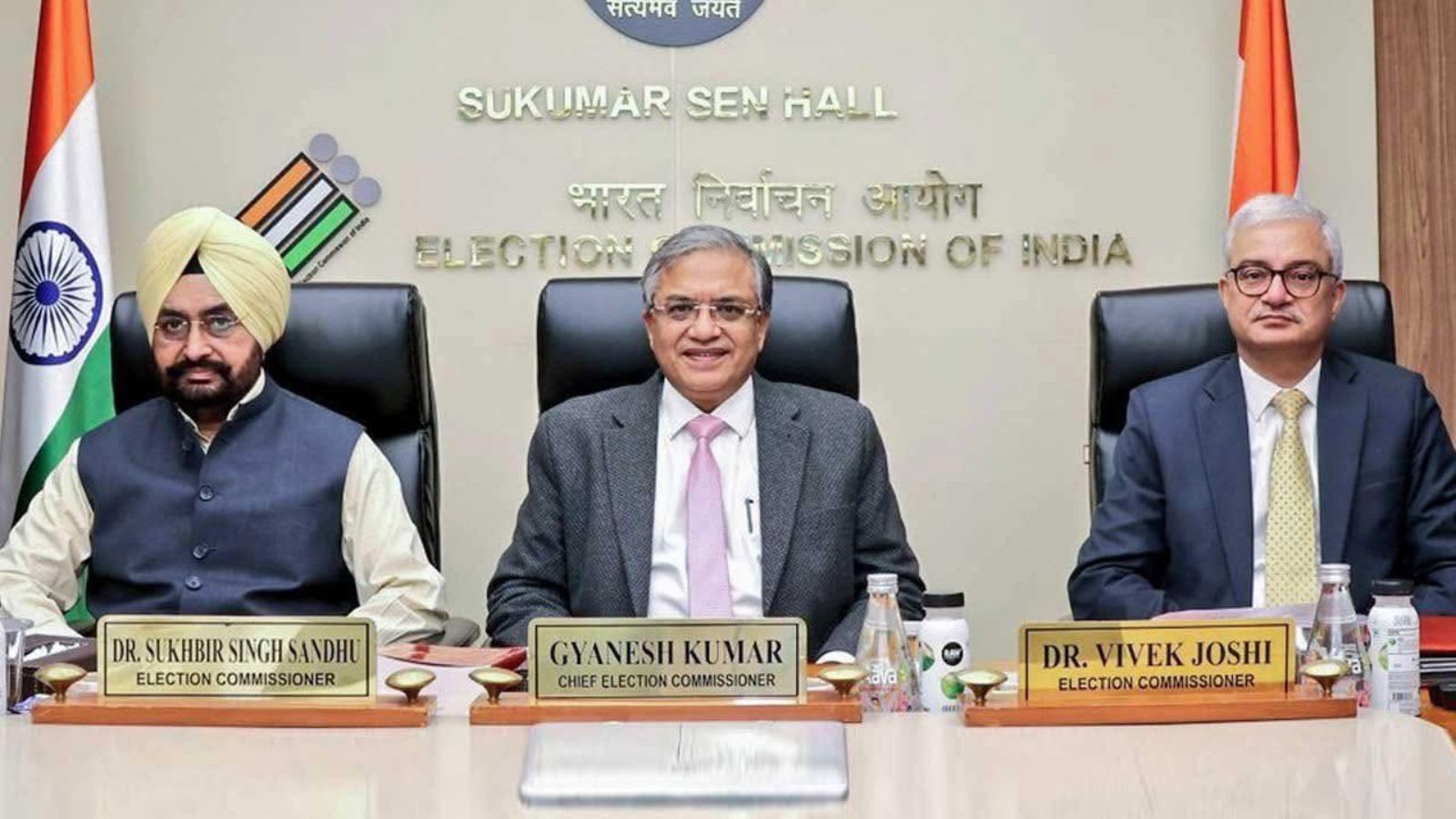
Concerns regarding the internal autonomy and collegial functioning of the Election Commission of India have surfaced amid calls for transparency. Political figures, including Chirag Paswan, are urging the Chief Election Commissioner to address allegations of procedural opacity.
The Constitutional Imperative of Collegial Governance
The integrity of India’s democratic framework relies heavily on the Election Commission of India (ECI) operating as a cohesive, multi-member body. Historical jurisprudence, particularly a landmark Supreme Court warning from nearly four decades ago, underscores that the ECI cannot function effectively if the Chief Election Commissioner (CEC) assumes a position of absolute superiority. The court explicitly cautioned that such a power dynamic risks rendering other Election Commissioners (ECs) 'non-functional' or merely 'ornamental,' thereby violating the democratic spirit intended by the framers of the Constitution.
Challenges to Institutional Transparency
Recent discourse surrounding the ECI has been punctuated by instances of administrative friction. For example, the postponement of an event involving Election Commissioner Gyanesh Kumar in Uttar Pradesh sparked public scrutiny. While the poll body attributed these changes to standard 'logistical and administrative factors,' the timing and nature of such adjustments have provided fuel for critics who argue that the internal decision-making processes of the commission lack the necessary transparency to maintain public confidence.
Political Accountability and the Role of the CEC
Union Cabinet Minister Chirag Paswan has recently entered the debate, emphasizing that the burden of clarity rests squarely on the shoulders of the ECI itself. Paswan argued that political parties are ill-equipped to defend the internal workings of a constitutional body to which they lack direct access. By urging the CEC to address doubts—specifically regarding the Election Commission and the Systematic Voters' Education and Electoral Participation (SVEEP) program—Paswan highlighted a growing consensus that silence from the commission is no longer a viable strategy for maintaining institutional legitimacy.
The Necessity of Independent Defense
As fingers are increasingly pointed toward the commission, the expectation for proactive communication has intensified. Paswan’s insistence that the CEC defend the institution against suspicion reflects a broader societal demand for accountability. Because the ECI is an independent constitutional entity, its primary defense must come from within its own ranks rather than through political proxies. This ensures that the commission remains insulated from partisan bias while simultaneously upholding its duty to the electorate.
Future Implications for Electoral Oversight
Looking ahead, the ECI faces a critical juncture in how it balances administrative efficiency with democratic oversight. If the commission fails to resolve internal perceptions of a power imbalance, it risks long-term erosion of its status as an impartial arbiter. Future trends suggest that the judiciary and political stakeholders will continue to demand greater evidence of collegial decision-making, ensuring that the ECI remains a robust, functional, and transparent pillar of Indian democracy.
Multiple Citing Sources