Opposition refuses to be part of the all-party delegation to Centre over drought relief
Source Entity
India Latest News: Top National Headlines Today & Breaking News | The Hindu
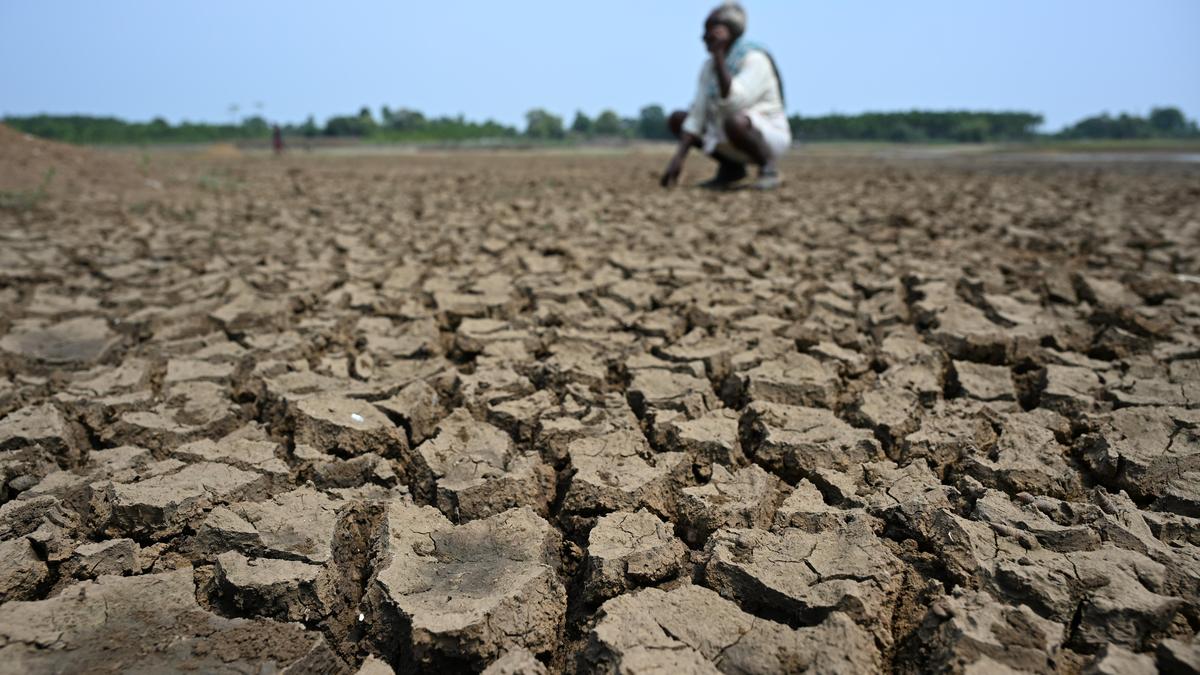
The opposition BJP and JD(S) in Karnataka have declined to join the state government's all-party delegation to meet Prime Minister Modi regarding drought relief. This refusal highlights deepening political tensions between the state government and the central opposition leadership over disaster management coordination.
Political Deadlock Over Karnataka Drought Relief
A significant political rift has emerged in Karnataka as the opposition Bharatiya Janata Party (BJP) and Janata Dal (Secular) (JD(S)) have formally declined to participate in an all-party delegation intended to seek drought relief from the Union government. The delegation, spearheaded by the state government, was planned to meet with Prime Minister Narendra Modi to discuss critical financial assistance for regions suffering from severe moisture stress and crop failure.
The Breakdown of Cooperation
The refusal was confirmed on Sunday by Union Minister and JD(S) leader H.D. Kumaraswamy, alongside the Leader of the Opposition in the Legislative Assembly, R. Ashok. By distancing themselves from the state-led delegation, the opposition parties have signaled a breakdown in the bipartisan consensus typically required for state-level lobbying at the federal level. This move suggests that the political friction between the Congress-led state government and the opposition is currently overshadowing the urgent administrative need for federal drought intervention.
Strategic Implications for State-Centre Relations
Chief Minister D.K. Shivakumar, who is slated to visit Delhi for a Congress Working Committee meeting, had initially proposed this unified front to demonstrate the gravity of the drought conditions to the Prime Minister. However, the opposition's withdrawal complicates the narrative of a united state voice. Historically, all-party delegations are used to exert moral and political pressure on the Centre to release disaster relief funds. When opposition leaders opt out, it effectively dilutes the impact of such representations, allowing the Centre to frame the issue as a partisan dispute rather than a collective state crisis.
Analyzing the Opposition's Stance
While the specific motivations for the boycott were not fully detailed by the opposition leaders, the decision reflects a broader trend of competitive federalism where state and central political interests often clash. By refusing to join, the BJP and JD(S) may be attempting to bypass the state government to lobby the Centre independently, or they may be expressing a lack of confidence in the current state administration's handling of drought mitigation funds. This tactic serves to highlight the opposition's autonomy and their role as the primary critics of the current state government's performance.
Future Trends in Disaster Diplomacy
Looking forward, this event underscores the increasing difficulty of achieving political consensus in India's complex federal structure. As climate change continues to increase the frequency and severity of droughts in Karnataka, the reliance on state-centre coordination becomes paramount. If future drought relief efforts remain mired in such political disputes, the actual beneficiaries—the farmers and rural populations—may face significant delays in receiving essential financial aid. The lack of a unified front could potentially set a precedent where disaster management becomes a recurring political battleground rather than a collaborative governance effort.
Verification Required?