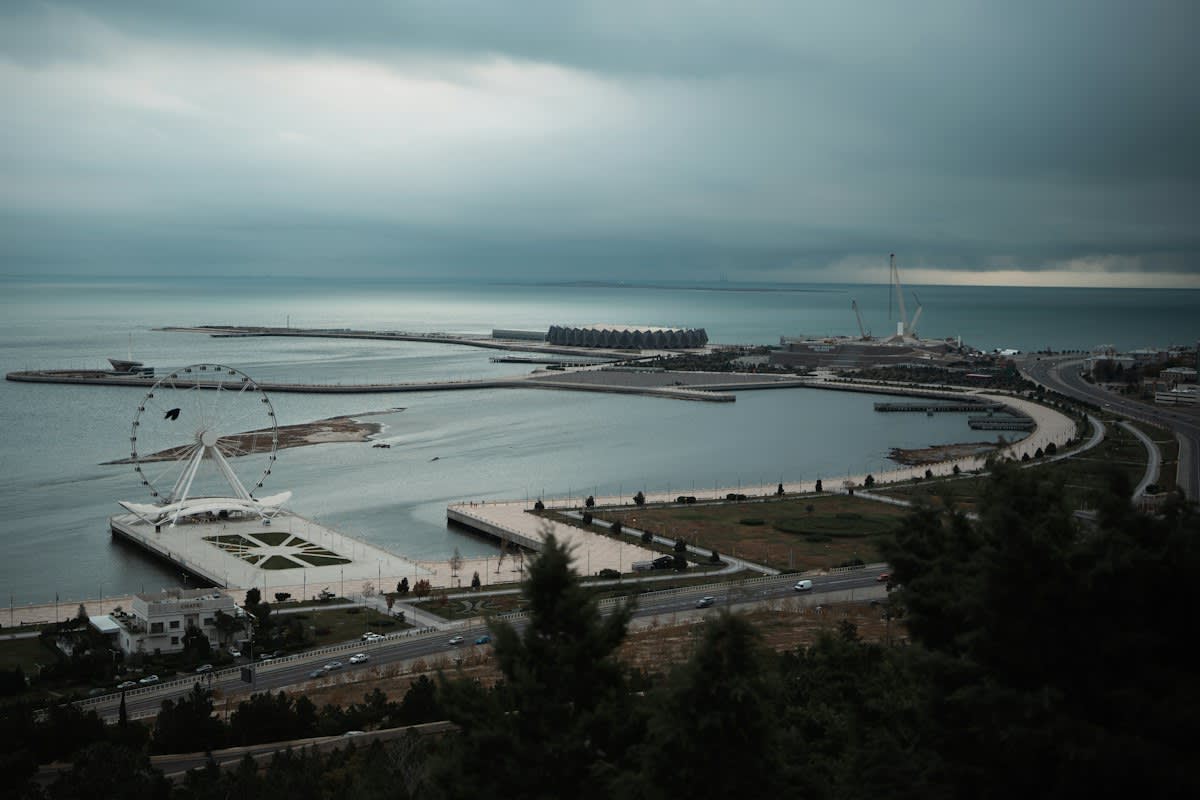
53,574 TEU. Container traffic along the Middle Corridor climbed 11% in the first eight months of 2026 (Source: Times of Central Asia, 2026). This movement is not a gentle drift. It is a hard break from Northern routes. 80% of these containers move westward, fleeing the volatility of sanctioned territories (Source: Times of Central Asia, 2026). This is a calculated bet on the Trans-Caspian International Transport Route.
The Air Cargo Surge
Air cargo volumes in Central Asia have more than doubled since 2019 (Source: IATA, 2026). The surge is aggressive. Uzbekistan recorded a 182% increase in combined cargo volumes between 2019 and 2024 (Source: IATA, 2026). Kazakhstan followed closely with a 149% jump (Source: IATA, 2026). This isn't just technical stopover traffic. Direct transit cargo now makes up 65% of the regional total, up from 59% (Source: IATA, 2026). The region is shifting from a mere waypoint to a cargo consolidation engine connecting European and Chinese markets.
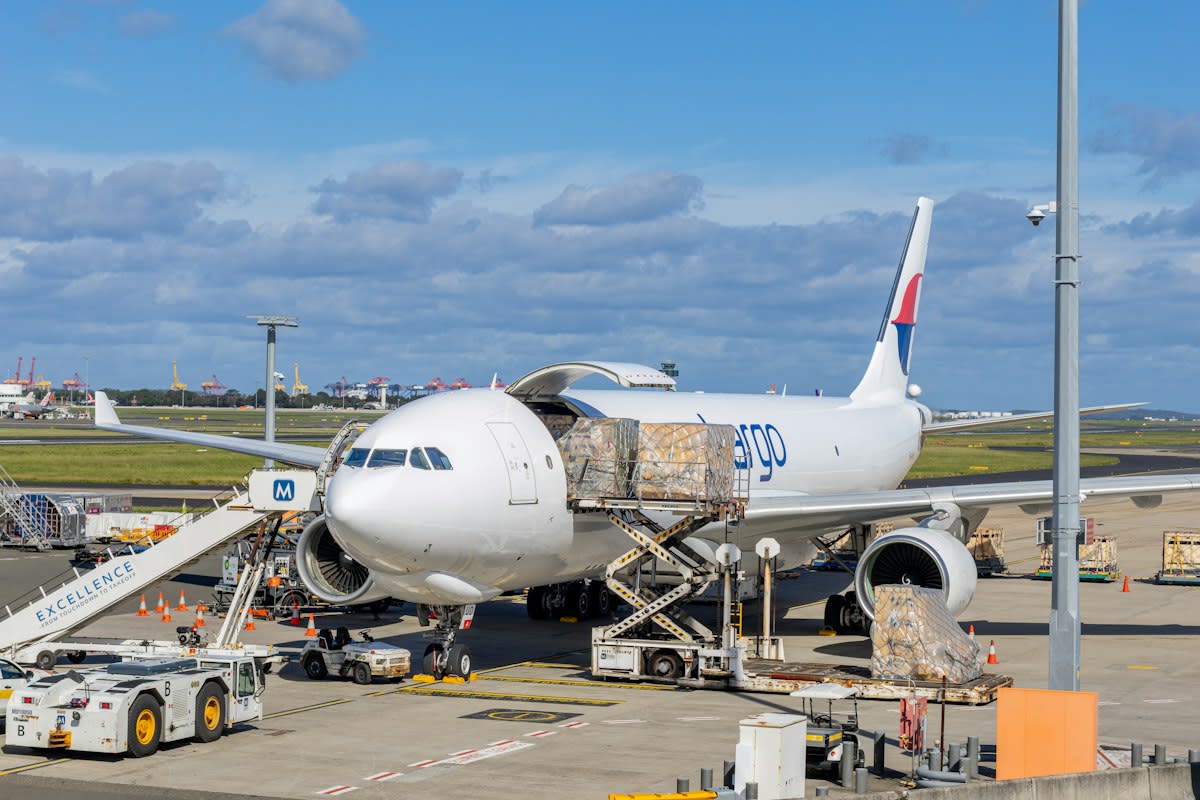
This expansion suggests a long-term play. By increasing freighter activity and deepening the link to major trade corridors, Central Asia seeks a multimodal logistics identity (Source: IATA, 2026). However, this growth depends on operational efficiency. Without sustained investment in infrastructure, the current spike remains a temporary reaction to geopolitical friction rather than a permanent structural shift.
Brine-Soaked Infrastructure
Brine-soaked docks in Aktau are the new frontline. Rhenus Group is pushing a multimodal logistics hub on a 30-hectare site (Source: Rhenus Group, 2026). The goal is an additional 150,000 TEU of handling capacity per year (Source: Rhenus Group, 2026). This facility aims to link maritime, rail, and road transport into a single, rust-pitted chain of efficiency. The Trans-Caspian International Transport Route, or Middle Corridor, now carries the weight of China-to-Europe trade that previously relied on Russian soil.
"The strategic importance of the Trans-Caspian International Transport Route is now hardly in question. The key challenge is to bring individual infrastructure projects together step by step into an efficient network in which capacity, operational services and strong partnerships work seamlessly along the entire route."— Yelzhas Otynshiyev, Chairman of the Management Board of Kazakhstan Temir Zholy
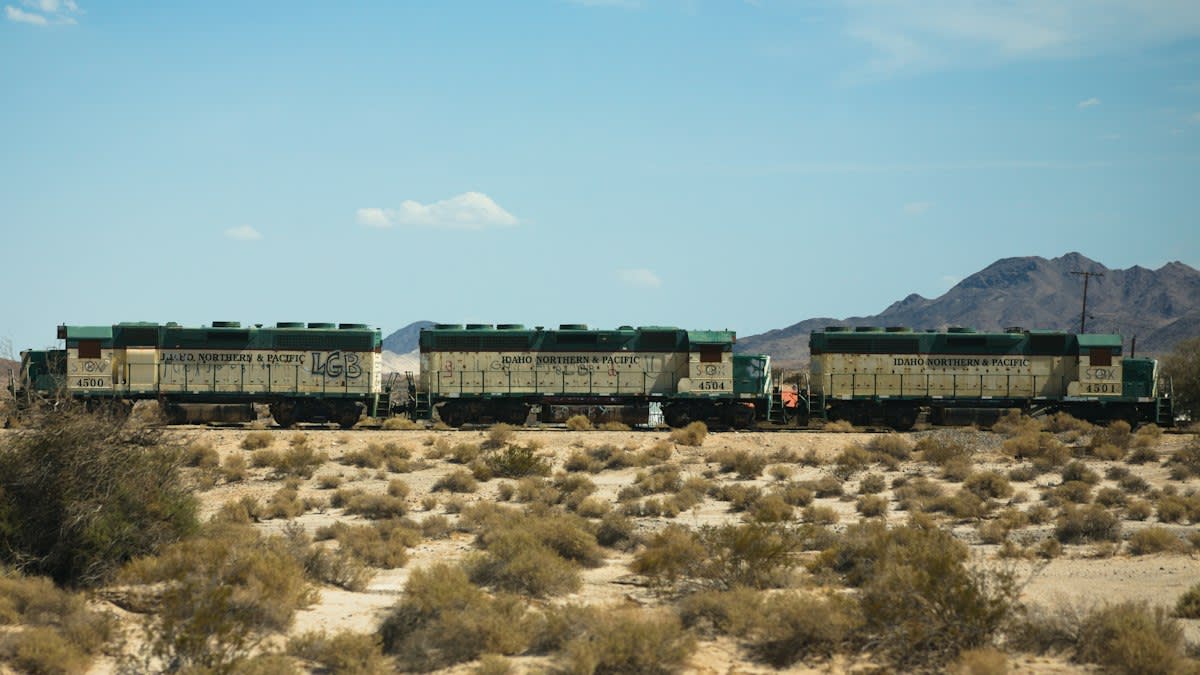
Sea freight volumes along this route have already exceeded 4.5 million metric tons in the first seven months of 2026 (Source: Caspianpost, 2026). This is 60% more than the total recorded for all of 2025 (Source: Caspianpost, 2026). The route is a complex relay: trains move from China through Kazakhstan to the Caspian ports of Aktau and Kuryk, transfer to ships, and then return to rail in Azerbaijan, Georgia, and Turkey (Source: World Bank, 2026).
On the ground, this looks like grit-toothed logistics. Freight forwarders aren't discussing synergy; they are fighting over crane schedules in Kuryk and rail gauge mismatches. Every container transfer from rail to ship in the Caspian is a point of failure where carbon-scored steel meets salt air. The friction is visceral. It is a battle against bureaucracy and the physical limits of ports that were never designed for this volume.
The Sanctions Shadow
The move is driven by fear. Sanctions enforcement is sliding from Russia to its neighbors (Source: University of Groningen, 2024). The University of Groningen reported that sanctioned-goods exports from the Netherlands to Russia plummeted 86% below the 2018-2021 average in 2023 (Source: University of Groningen, 2024). Kazakhstan is now flagged as a high-risk destination for circumvention (Source: University of Groningen, 2024). This puts the Middle Corridor in a precarious position: it is a sanctuary for trade, but also a target for EU regulators.
Trade dependencies are skewed. The EU took 31% of Kazakhstan's foreign trade and 44% of its exports in 2025 (Source: University of Groningen, 2024). While the volume looks impressive, the diversity is a myth. In 2024, Kazakhstan exported $5.30 billion of goods to the Netherlands (Source: UN Comtrade, 2024). Of that, $5.18 billion—or 98%—was mineral fuels and oils (Source: UN Comtrade, 2024). Everything else is a rounding error of 2.3% (Source: UN Comtrade, 2024).
| Metric | Kazakhstan | Uzbekistan | Regional Average/Total |
|---|---|---|---|
| Cargo Growth (2019-2024) | 149% | 182% | Doubled since 2019 |
| Direct Transit Share (2026) | 65% | 65% | Up from 59% |
| Sea Freight (7mo 2026) | 4.5M Metric Tons | N/A | 60% increase vs 2025 |
| EU Export Share (2025) | 44% | N/A | N/A |
The financial risk extends to the importers. A carbon charge that can exceed the value of the goods is now a working capital problem (Source: University of Groningen, 2024). For a region heavily dependent on the export of mineral fuels, these environmental levies act as a shadow tax, eroding the margins of the very trade the Middle Corridor seeks to protect.
The Capital Gap
Ambition exceeds the wallet. The World Bank estimates the Middle Corridor needs more than $55 billion by 2040 to function (Source: World Bank, 2026). This is a staggering sum for a route that still relies on fragmented rail systems across nine countries. The funding is not just for new tracks; it is for the unification of customs, digital manifests, and port automation. Without this cash, the win is a paper promise.
Kazakhstan's leadership is attempting to fill this gap by inviting German transport and logistics companies to invest in the port of Aktau (Source: Times of Central Asia, 2026). President Tokayev has signaled a goal to increase freight volumes along the route to 20 million metric tons (Source: Times of Central Asia, 2026). This is a massive leap from the current millions, requiring a scale of infrastructure that the region currently cannot support alone.
Failure Point
The primary failure point is the circumvention trap. If Kazakhstan and its neighbors are viewed by the EU not as legitimate corridors but as laundry mats for sanctioned Russian goods, the trade flow will freeze. The University of Groningen's identification of these seven high-risk destinations creates a regulatory ceiling (Source: University of Groningen, 2024). If the EU tightens enforcement, the 44% of Kazakh exports going to Europe could face severe bottlenecks, regardless of how many TEUs Aktau can handle.
Editorial Note
The data confirms a surge in volume, but a stagnation in diversity. 98% of Kazakh exports to the Netherlands remain mineral fuels and oils (Source: UN Comtrade, 2024). The 'win' is currently a volume win, not a value-chain win.
Fact-Check & Accuracy Note
All statistics cited are derived from IATA (2026), World Bank (2026), UN Comtrade (2024), University of Groningen (2024), and regional reports from Times of Central Asia and Caspianpost (2026). Data regarding TEU volumes and air cargo percentages are verified against the provided research set.