'Punishment within 3 years': Amit Shah backs new criminal laws, vows drug-free Madhya Pradesh by 2029
Source Entity
Latest News: Todays Latest News Headlines from India & World | Hindustan Times | Hindustan Times
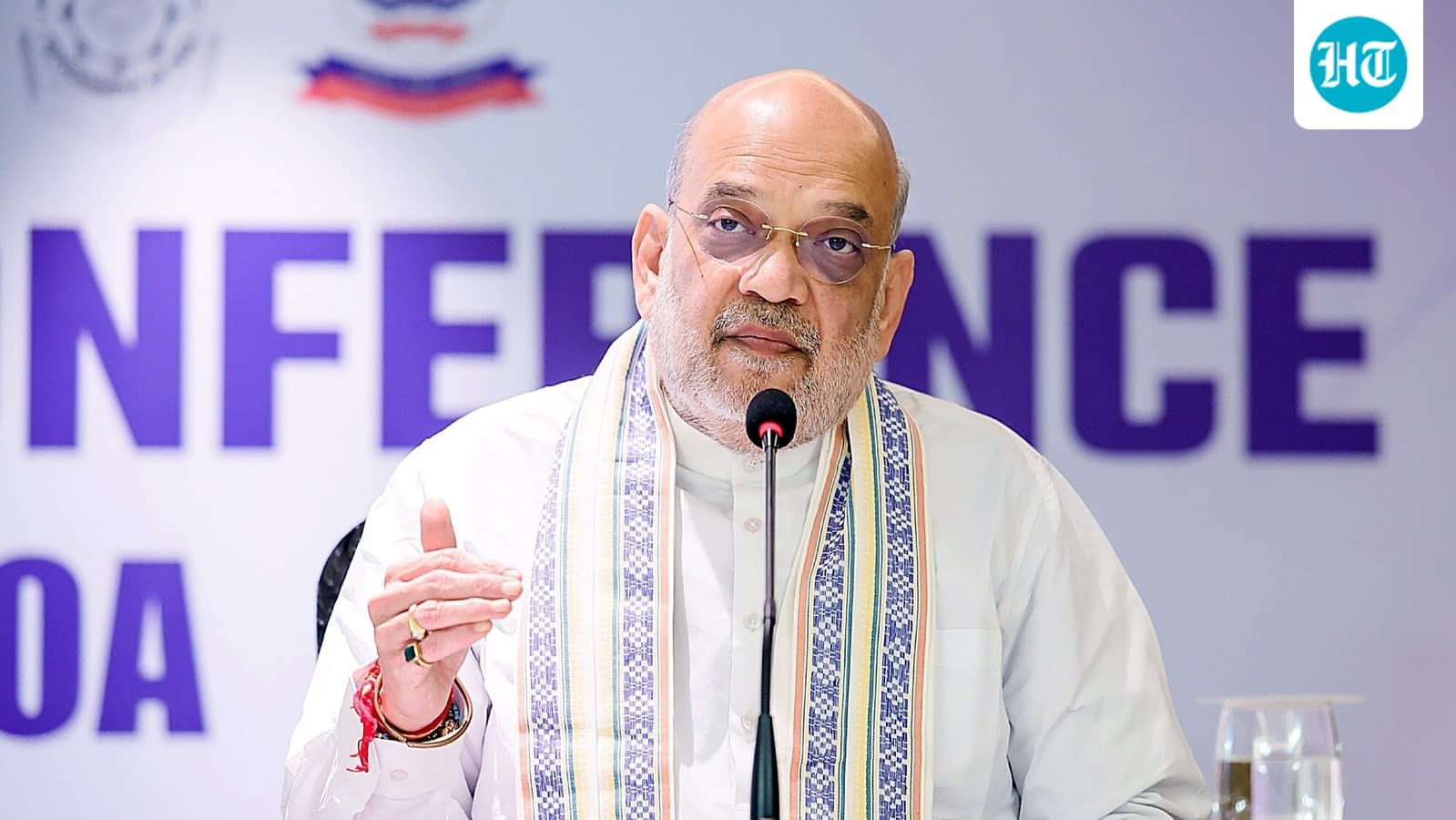
Union Home Minister Amit Shah has announced that new criminal laws will ensure judicial verdicts within three years. He further committed to making Madhya Pradesh drug-free by 2029 and expanding the state's dairy sector.
Transforming India's Judicial Framework
Union Home and Cooperation Minister Amit Shah recently articulated a vision for a modernized Indian justice system during his visit to Bhopal. By emphasizing the implementation of three new criminal laws, Shah aims to dismantle the archaic legacy of the colonial-era legal structure. He explicitly critiqued the former system, famously known for the 'tareekh pe tareekh' (date after date) culture of perpetual delays, arguing that those laws were designed primarily to protect British colonial interests rather than deliver timely justice to Indian citizens.
The Three-Year Verdict Mandate
The most significant policy shift announced is the guarantee that legal cases will be resolved within a three-year timeframe, spanning from the initial filing of an FIR to the final Supreme Court verdict. This ambitious target represents a fundamental overhaul of the judicial process, aimed at restoring public faith in the speed and efficacy of the courts. By streamlining procedural hurdles, the government seeks to ensure that justice is not only served but served in a period that allows for genuine legal closure.
Eradicating the Drug Menace by 2029
Beyond judicial reform, Shah set a bold deadline for public health and social security in Madhya Pradesh. He declared a state-wide mission to make Madhya Pradesh completely drug-free by December 31, 2029. This directive underscores a proactive stance against narcotics, framing the eradication of drug abuse as a critical governance goal. By setting a specific, measurable target, the administration is positioning the fight against illicit substances as a central pillar of state policy.
White Revolution 2.0 and Economic Empowerment
In his capacity as the Union Cooperation Minister, Shah also integrated economic development into his visit by announcing the establishment of 75,000 new cooperative dairies. This initiative, termed 'White Revolution 2.0,' is designed to bolster the agrarian economy of Madhya Pradesh. By fostering a cooperative model, the government intends to empower rural farmers, increase milk production, and create a sustainable economic ecosystem that benefits local communities directly.
Strategic Implications for Governance
The synergy between legal reform, social welfare, and economic development suggests a multifaceted approach to governance in Madhya Pradesh. The commitment to these specific timelines—three years for judicial resolution and a 2029 deadline for a drug-free state—places significant pressure on administrative machinery to perform. These goals demonstrate an intent to shift from reactive policy-making to proactive, time-bound developmental targets that aim to reshape the state's socio-political landscape over the next five years.
Verification Required?