Burnham scraps controversial plans to curb jury trials
Source Entity
BBC News
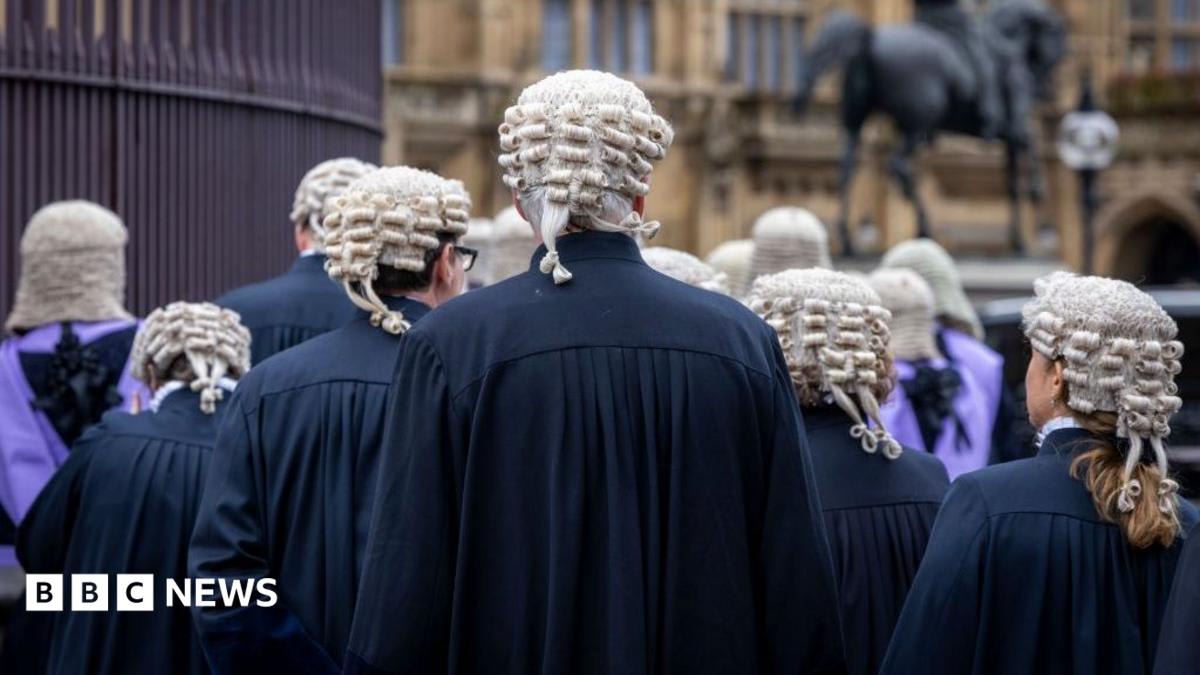
Prime Minister Andy Burnham has officially scrapped controversial government plans to limit jury trials for medium-level crimes. The decision follows intense pressure from legal professionals and represents a significant reversal of policy previously initiated under Sir Keir Starmer's administration.
The Reversal of Jury Trial Restrictions
In a significant pivot for the current administration, Prime Minister Andy Burnham has formally abandoned controversial proposals that sought to curtail the use of jury trials in the United Kingdom. The original policy, which had been under consideration since its announcement by former Justice Secretary David Lammy in December, aimed to allow judges to preside alone over cases expected to result in sentences of less than three years. This decision marks a major retreat from an initiative that had sparked widespread concern regarding the fundamental right to a trial by one's peers.
The Scope of the Abandoned Proposal
The Ministry of Justice (MoJ) had initially positioned these reforms as a mechanism to streamline the judicial process. Under the proposed framework, the role of juries would have been significantly diminished, with judges assuming sole authority over a broad range of medium-level criminal offenses. While the MoJ had attempted to narrow the focus of these changes to specific complex fraud and financial crimes, the broader implication of allowing judges to sit without juries for non-trivial cases created a deep divide between the government and the legal community.
Impact on the Judicial Landscape
By deciding to maintain the status quo, the government has reaffirmed the role of volunteer magistrates in handling lower-level matters while ensuring that the jury system remains the bedrock of the UK’s adversarial justice system. Criminal lawyers, who were among the most vocal critics of the proposal, have welcomed the U-turn as a victory for due process. The preservation of the jury in these cases ensures that the principle of community participation in the delivery of justice remains intact, preventing a shift toward a more technocratic and less representative legal process.
Political Implications and Accountability
Justice Secretary Alex Norris cited the "strength of feeling" among stakeholders as the primary driver for this change in direction. This admission highlights the administration’s responsiveness to both professional legal bodies and public sentiment. While the Conservative opposition has characterized this reversal as a "major victory" for those advocating for the defense of the jury system, it also underscores the political friction inherent in attempting to reform long-standing constitutional traditions.
Future Trends in Legal Reform
Looking ahead, this development suggests that any future attempts to reduce judicial backlogs or increase efficiency within the courts will likely face intense scrutiny if they threaten the traditional jury model. The government will now need to seek alternative strategies to address case volume and court efficiency that do not involve compromising the integrity of the jury system. This episode serves as a case study in the power of institutional and public advocacy in shaping legal policy, signaling that the jury trial remains a non-negotiable element of the British justice framework.