Trump Pledges $90 Medicare Premium Each To 20 Million Seniors
Source Entity
NDTV News Search Records Found 1000
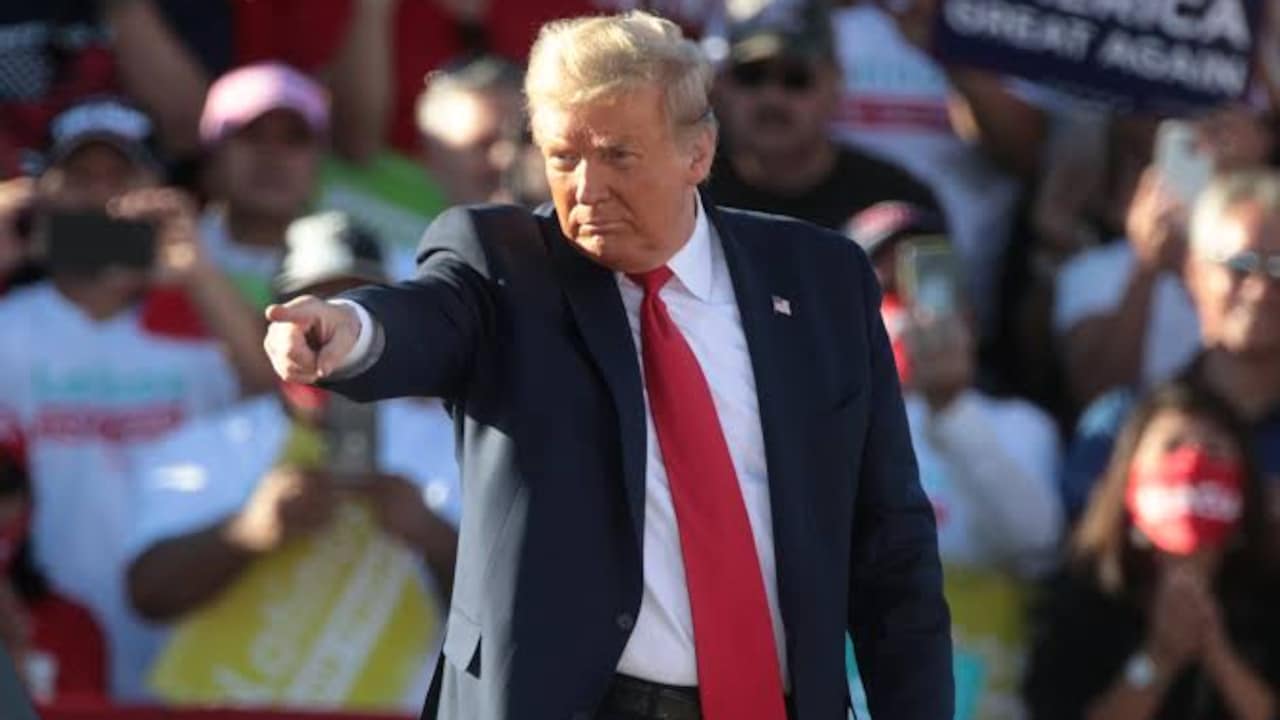
President Trump has pledged $5,000 stimulus checks to all adult citizens contingent on a Republican victory in the 2026 midterm elections. Additionally, he has promised a $90 Medicare premium reduction for 20 million seniors, framing these proposals within the context of a booming economy.
The 2026 Midterm Strategy: Financial Incentives as Political Leverage
President Donald Trump has introduced a significant campaign promise ahead of the 2026 midterm elections, pledging to issue $5,000 checks to every adult citizen in the United States. This proposal is explicitly conditional, tied directly to the success of the Republican Party in securing a majority in both the House of Representatives and the Senate. By framing this massive fiscal distribution as a reward for electoral success, the President is leveraging direct economic intervention as a primary driver for voter turnout.
Economic Implications and Fiscal Policy
The promise of a $5,000 check for every adult citizen represents a massive expansion of direct federal stimulus. Historically, such large-scale cash transfers are associated with inflationary pressures and significant impacts on the national deficit. While the President defends this move by asserting that the current economy is booming, economists often debate the long-term sustainability of such direct-to-consumer payouts. This proposal signals a departure from traditional fiscal conservatism, favoring instead a model of direct wealth distribution to consolidate electoral support.
Targeting Key Demographics: The Senior Vote
Beyond the broad promise of stimulus checks, the administration is simultaneously targeting the senior demographic with specific healthcare-related incentives. The pledge to provide a $90 Medicare premium reduction to 20 million seniors serves as a strategic counter-narrative to concerns regarding the affordability of healthcare. By addressing the cost of living directly, the President aims to shore up support among older voters who are traditionally highly active in midterm election cycles.
Political Strategy and Midterm Dynamics
Midterm elections are historically difficult for the party holding the White House. By linking policy promises—such as the $5,000 checks and the Medicare premium relief—to the legislative control of Congress, the President is attempting to bypass typical midterm apathy. This strategy forces voters to consider the tangible financial benefits of a Republican-controlled legislature, effectively turning the ballot box into a mechanism for direct personal financial gain.
Historical Context and Future Trends
The use of financial promises as a campaign tool is not unprecedented, but the scale of the $5,000 proposal marks a significant escalation in political campaign rhetoric. If these policies were to be implemented, they would fundamentally alter the relationship between federal election outcomes and personal household income. Looking forward, this sets a new precedent for how political candidates may utilize fiscal policy to incentivize participation, potentially shifting the focus of future campaigns toward direct wealth-sharing platforms rather than traditional policy debates.
Conclusion
As the 2026 midterm elections approach, the success of this strategy will depend on the electorate's perception of both the feasibility of these promises and the underlying strength of the economy. Whether these pledges serve to galvanize the base or invite scrutiny over fiscal responsibility remains the central question of the current political cycle. The President's focus on these direct financial benefits highlights a calculated effort to define the election through the lens of individual economic gain.
Multiple Citing Sources
Verification Required?