Campus gate shut, food for protesters stopped: Ambedkar University students claim ‘manhandled by guards’
Source Entity
Sophiya Mathew
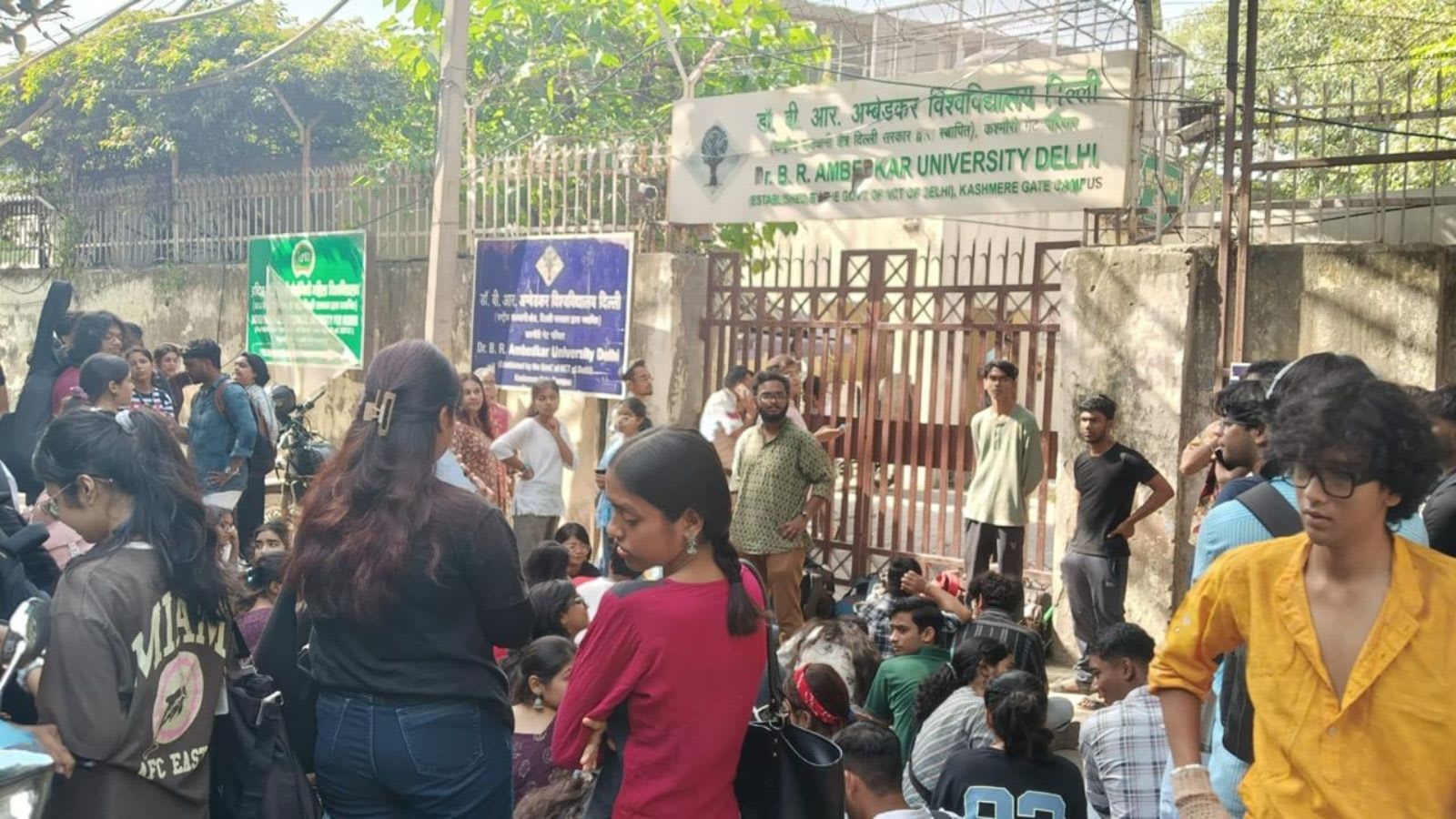
Students at Ambedkar University Delhi and Kolkata's SRFTI are facing escalating tensions due to administrative restrictions and external protests. Both campuses report incidents of restricted access and physical confrontations, highlighting a growing friction between student activism and campus governance.
Campus Unrest: An Analysis of Protests at AUD and SRFTI
Escalating Tensions at Ambedkar University Delhi
At the Dr. B R Ambedkar University’s (AUD) Kashmere Gate campus, an indefinite protest entering its sixth day has highlighted deep-seated grievances among the student body. The protesters, including PhD scholars, are demanding basic necessities such as drinking water and functional classrooms, while also raising concerns regarding faculty shortages and the need for greater student representation in governance. The situation reached a boiling point this Saturday when students attempting to deliver food to the protesters were allegedly blocked by security guards, a move that students claim is part of a broader, restrictive campus atmosphere.
The Attendance Controversy
The protest at AUD was significantly fueled by a July 31 office order that introduced stringent attendance requirements for full-time PhD scholars receiving fellowships. Research scholars argued that these mandates hindered their academic freedom and restricted necessary field-based research activities. In response to the week-long agitation led by groups like AISA, the university administration has now issued a revised office order in September, superseding the previous notification. This policy shift underscores the power of student-led advocacy in forcing administrative review of academic guidelines.
Tensions Spill Over at SRFTI
Parallel to the developments in Delhi, Kolkata’s Satyajit Ray Film and Television Institute (SRFTI) has become a flashpoint for ideological conflict. Following a previous clash related to an RSS-linked event, the campus faced fresh turmoil on Sunday when members of the Bangiyo Hindu Jagaran Manch (BHJM) held a protest march outside the gates. The situation turned violent as protesters allegedly hurled bricks and bottles at students, leading to physical altercations with police personnel who were attempting to maintain order.
The Role of Institutional Security
A recurring theme across both incidents is the vulnerability of campus spaces. At AUD, students report being denied entry to the campus despite having academic obligations like classes and exams, framing the restriction as a violation of their right to access educational facilities. At SRFTI, the students had proactively reached out to the Kolkata Police and the West Bengal government to request security, fearing the march would lead to violence. The failure to prevent the subsequent escalation raises questions about the efficacy of current law enforcement strategies in protecting academic environments from external political interference.
Broader Implications for Higher Education
These events reflect a period of heightened friction within Indian higher education, where administrative policies and external ideological pressures are increasingly clashing with student autonomy. The core issues— ranging from infrastructure and research flexibility to the safety of campus spaces—suggest that universities are navigating a complex landscape. As administrations attempt to standardize attendance and tighten campus security, they are meeting resistance from a student demographic that is increasingly vocal about their rights to participate in institutional decision-making.
Future Trends and Outlook
Moving forward, the resolution of these conflicts will depend on the willingness of university administrations to engage in meaningful dialogue with student representatives. The revision of the PhD attendance policy at AUD is a positive step toward reconciliation, yet the physical restrictions on campus access remain a contentious issue. Similarly, at SRFTI, the recurring nature of the protests suggests that without a robust security framework that balances free speech with the safety of the student body, these institutions may continue to face volatility that disrupts the academic calendar and compromises the learning environment.