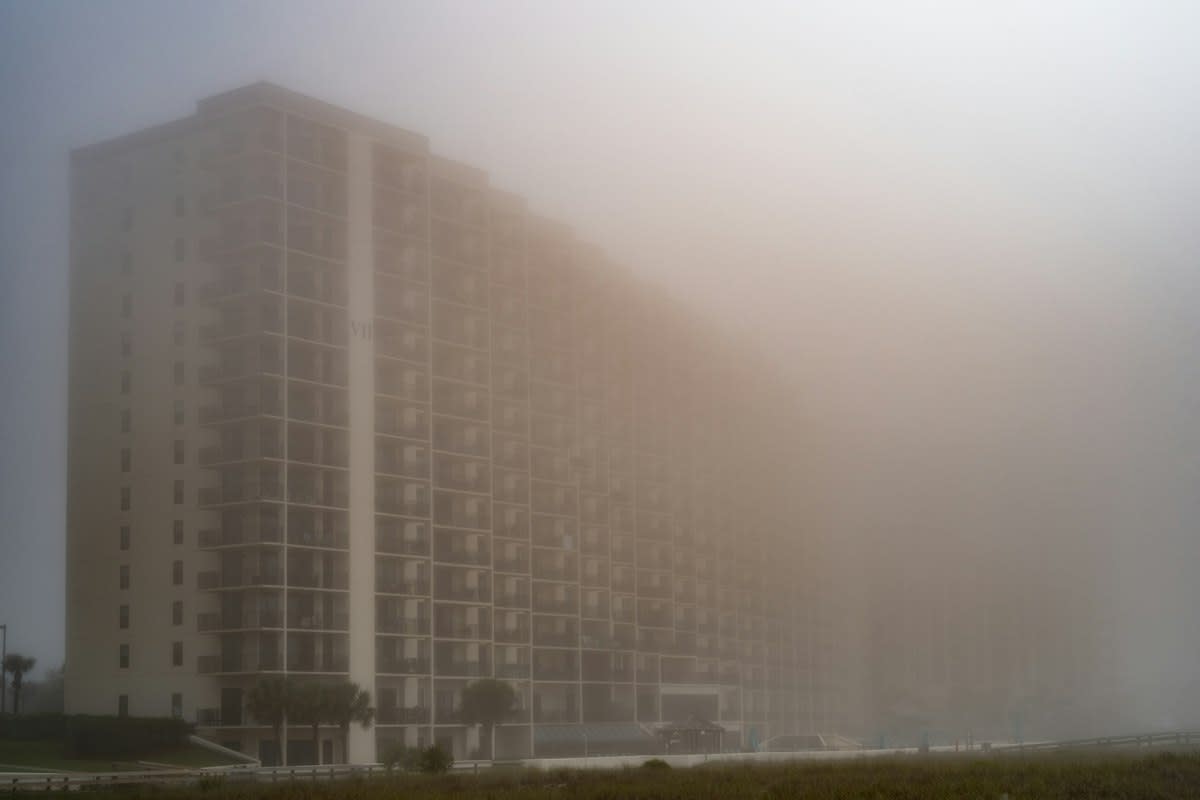
The Namib Desert doesn't give gifts. It takes. Most outsiders look at the coastal strip near Swakopmund and see a wasteland. They are wrong. They are missing the advection fog. This is where the cold Benguela Current meets the hot air of the interior, creating a dense, rolling blanket of moisture that crawls inland (Source: NASA Earth Observatory, 2020). For villages in the Kunene region, this isn't weather. It's the only reliable water source for miles. If you can trap it, you survive. If you can't, you keep walking.
The Kit: What You Actually Need
Forget the high-tech promises of atmospheric water generators that require a power grid. In the Namib, electricity is a luxury and maintenance is a nightmare. You need passive systems. The gold standard is the Raschel mesh—a high-density polyethylene (HDPE) weave. It's cheap, it's durable, and it doesn't care about the salt spray. You aren't looking for a filter; you're looking for a surface that forces micro-droplets to collide and coalesce into heavy drops. If the mesh is too tight, the wind pushes the fog through. Too loose, and the water never gathers.
- HDPE Raschel Mesh: Double-layered for maximum capture efficiency.
- Galvanized Steel Poles: Must be treated for extreme salinity to prevent rapid corrosion.
- PVC Gutters: Food-grade, UV-resistant troughs to channel water.
- Polyethylene Storage Tanks: Sealed units to prevent evaporation and contamination.
- Tensioning Cables: Stainless steel wires to keep the mesh taut against coastal gales.
The Deployment: Step-by-Step Execution
- Site Scouting: Identify a ridge or plateau where the fog is forced upward. Wind direction must be consistent. If you place the net in a valley, you're just wasting plastic.
- Anchoring: Sink the poles deep. The Namibian wind doesn't just blow; it hammers. Use cross-bracing to ensure the structure doesn't fold during a storm.
- Mesh Tensioning: Stretch the Raschel mesh across the frame. It needs to be tight enough to avoid sagging, but flexible enough to vibrate slightly, which helps droplets shed into the gutter.
- Gutter Alignment: Slope the PVC troughs at a 2-3 degree angle. Gravity is your only pump here. Any dip in the line creates a stagnant pool for algae.
- Tank Integration: Connect the gutter to a sealed tank. Use a first-flush diverter to discard the first few liters of water, which usually carry the most dust and salt.
The math is simple but brutal. A standard 40-square-meter net can yield between 3 and 10 liters of water per square meter per day, depending on the season and fog density (Source: FogQuest, 2021). On a good night, a single installation can provide hundreds of liters. But that's the textbook version. In reality, you lose 20% to evaporation and another 10% to leaks in the guttering. You have to over-engineer the collection surface if you want to meet the actual caloric and hydration needs of a village.

Ground-Level Friction: The Ugly Reality
Here is what the NGOs don't put in their brochures: the human element. Installing the nets is the easy part. Managing the water is where the system breaks. I've seen projects collapse because the village head decided the water belonged to his extended family, leaving the rest of the community with dry tanks. There is a visceral tension over 'water rights' when the source is a piece of plastic on a hill. Then there is the physical degradation. The sand in the Namib acts like sandpaper. It eats through the mesh and scours the paint off the poles within two years. If you don't have a local team trained to patch holes with industrial needles and twine, your investment is just a very expensive fence.
"The technical failure of a fog net is rarely about the mesh. It is almost always about the lack of a social contract regarding the maintenance and distribution of the collected water."— Dr. Elena Rossi, Water Security Consultant at Global Water Initiative
| Mesh Type | Water Yield (L/m2/day) | Durability | Cost |
|---|---|---|---|
| Single-Layer Raschel | 2-5 | Medium | Low |
| Double-Layer Raschel | 5-12 | High | Medium |
| Polypropylene Weave | 1-3 | Low | Low |
| Experimental Biomimetic | 15-25 | Unknown | Extreme |
Beyond the social friction, there is the legal grey area. Many of these installations sit on communal land with overlapping traditional and state claims. When a net becomes highly productive, it becomes a target. Theft of the mesh for use as fishing nets or fencing is a recurring problem in the Kunene region (Source: World Bank, 2019). You can't just build a system and walk away. You need a guard, a committee, and a clear set of rules that everyone—from the elders to the youth—actually respects.
Common Pitfalls for Beginners
- Ignoring Wind Loads: Using lightweight poles that buckle during the first autumn storm.
- Poor Mesh Tension: Allowing the net to sag, which creates 'dead zones' where water doesn't drain.
- Neglecting Bio-films: Failing to clean the gutters, leading to bacterial growth and foul-smelling water.
- Over-reliance on NGO Funding: Building a system that requires imported parts for simple repairs.
- Wrong Placement: Setting up nets based on a map rather than observing the actual fog flow on the ground.
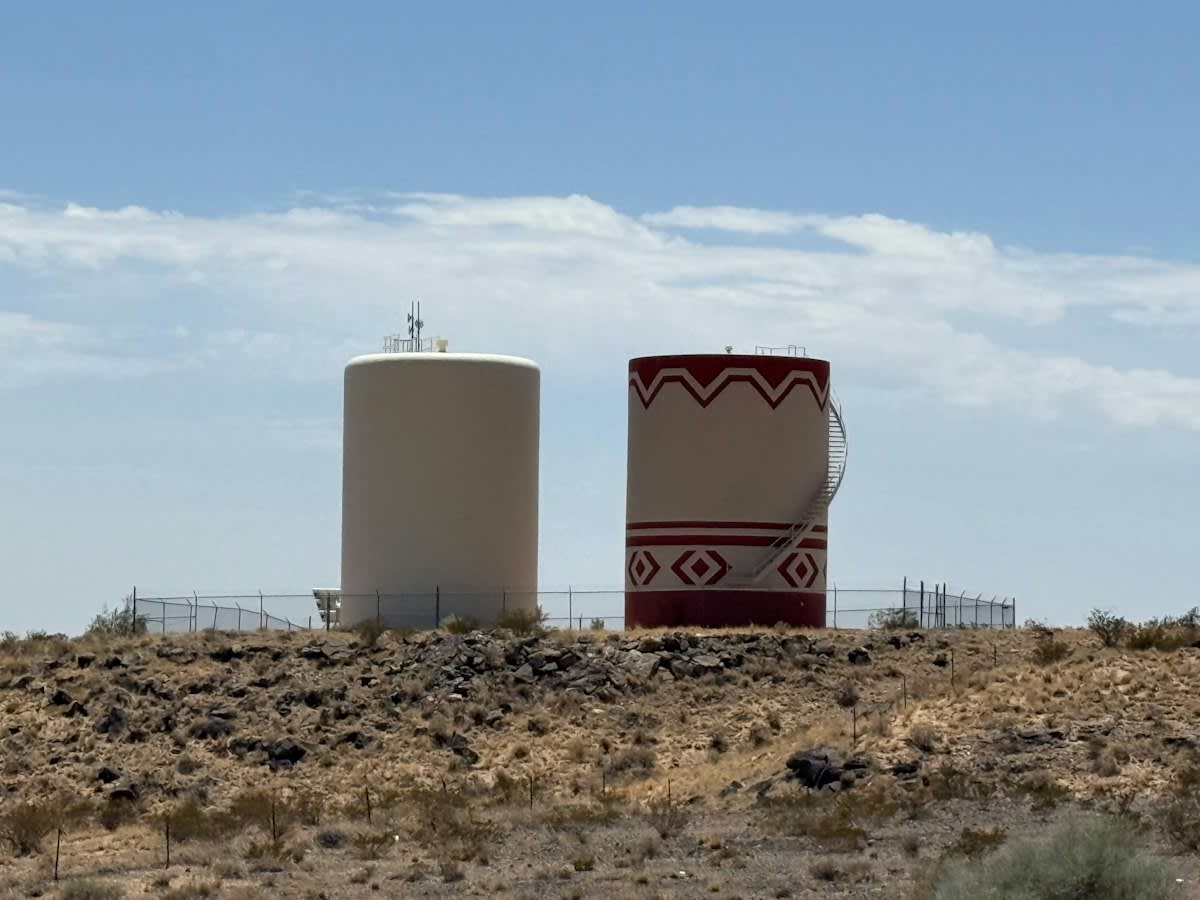
If you're going in, go in with your eyes open. This isn't a utopian solution to thirst; it's a gritty, tactical operation. You are fighting physics, chemistry, and human nature simultaneously. The success of fog harvesting isn't measured by how many nets you hang, but by how many are still standing and producing water five years after the experts have flown home. Resilience beats efficiency every single time in the desert.
Operator's Tip
Avoid the temptation to use treated lumber for supports. The salt-laden air of the Namib coast penetrates most seals, and treated wood often warps under the extreme diurnal temperature swings, throwing your gutters out of alignment.
Fact-Check & Accuracy Note
Settled Claims: The use of HDPE Raschel mesh is the most cost-effective method for passive fog collection. Debated Claims: The efficiency of 'biomimetic' meshes (inspired by the Stenocara beetle) remains contested in large-scale field applications due to high production costs and durability issues in sandy environments.