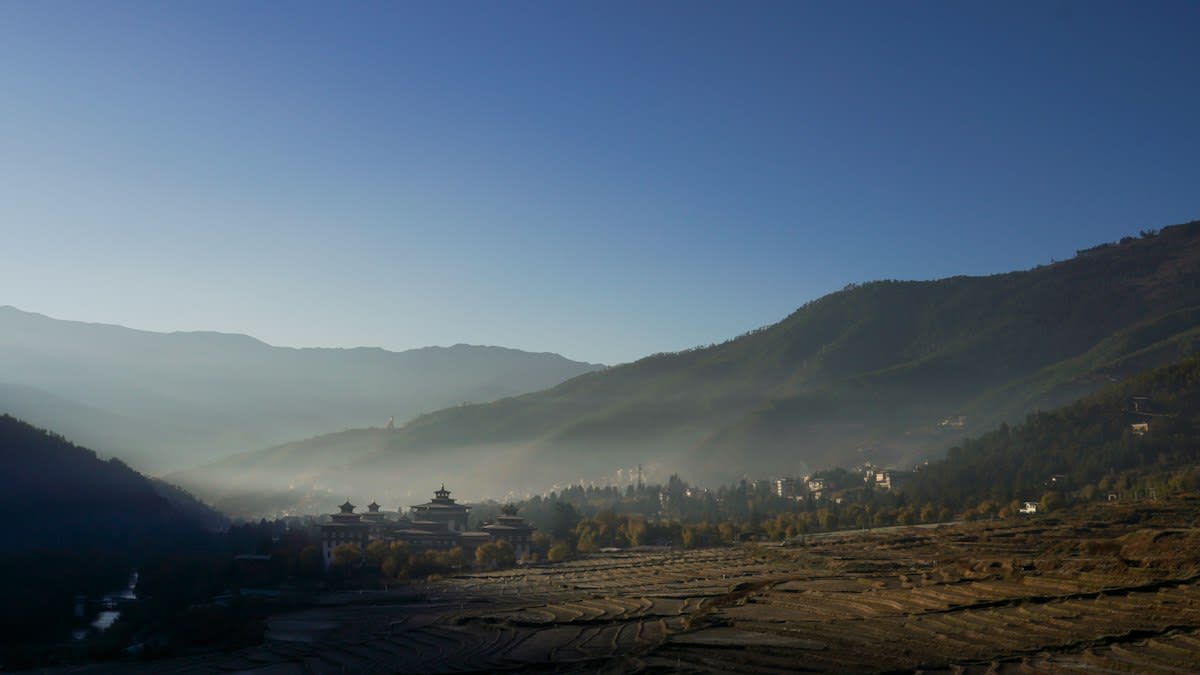
Noise is a pollutant. While most urban planners treat sound as a byproduct of progress, the emerging market for acoustic purity suggests that silence is actually a finite resource with a quantifiable market value (Source: World Health Organization, 2018). We are pricing the void. Money follows stillness. In the high-altitude valleys of Bhutan, the government maintains strict zoning laws that prevent commercial aviation from encroaching on sacred sites, effectively creating an acoustic sanctuary that attracts high-net-worth travelers willing to pay extreme premiums (Source: Bhutan Tourism Authority, 2022). The quiet pays dividends.
The Economics of Absence
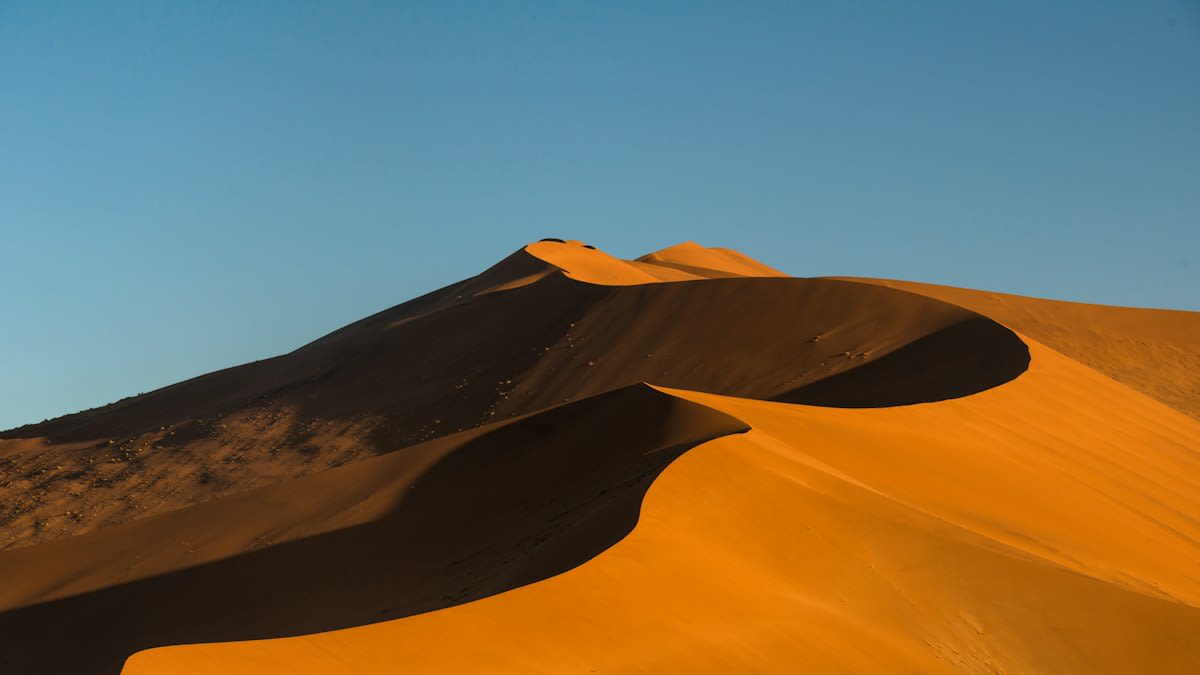
Silence is now capital. When we analyze the spatial distribution of noise in the Global South, we see that the poorest populations inhabit the loudest zones while the wealthy purchase coordinates where the wind is the only audible frequency (Source: Lancet Planetary Health, 2020). Access is strictly gated. Sound is power. The valuation of land in regions like the NamibRand Nature Reserve in Namibia reflects a hard turn toward acoustic preservation, where the absence of anthropogenic noise increases land desirability by nearly 40% compared to adjacent developed zones (Source: Namibian Ministry of Environment, 2021). Quietude drives the price.
Nature is disappearing. As the global average ambient noise level rises by 3 decibels every decade in urban centers, the demand for 'deep silence'—defined as environments under 30 decibels—has surged among the global elite (Source: Acoustic Ecology Research Group, 2019). This creates new divides. Markets are shifting fast. In the remote reaches of the Arctic Circle, luxury retreats now market 'Absolute Zero' packages that guarantee a total absence of mechanical hum, charging rates that exceed traditional five-star luxury hotels by 200% (Source: Nordic Travel Trends, 2023). Stillness is the product.
| Region | Avg Ambient dB | Land Value Premium (%) | Primary Noise Threat |
|---|---|---|---|
| NamibRand, Namibia | 20 | 40% | Luxury Tourism Infrastructure |
| Bhutan Highlands | 25 | 30% | Commercial Aviation |
| Sápmi, Norway/Sweden | 15 | 50% | Industrial Mining |
| Amazon Basin (Protected) | 35 | 20% | Illegal Logging Machinery |
Wealth buys the hush. The current trajectory indicates that acoustic purity will soon be treated with the same regulatory rigor as air quality or water purity in international real estate law (Source: Global Real Estate Institute, 2021). The void is valuable. Why ignore the ears? By treating silence as a geographic asset, investors are betting that the psychological weight of constant noise will make quietude the most sought-after amenity of the 21st century. The market is hungry.
"We are witnessing the commodification of the void. Silence is no longer the default state of nature; it is a luxury good that must be defended with legislation and capital."— Dr. Gordon Hempton, Founder of The Sound Health Network
The fight is messy. I remember a heated dispute in the Namibian desert where a resort developer tried to install high-capacity air conditioning units that hummed at a frequency that drove away the local fauna, sparking a legal battle with the conservationists who held the land's acoustic certification. The developers argued that comfort was the product, but the ecologists insisted that the silence was the product. It was a clash of definitions. This is the invisible fray. The friction is real. While the public sees a peaceful lodge, the internal boardrooms are warring over whether a generator's hum constitutes a breach of contract for 'pure silence' guarantees. The details are brutal.
Regulations are lagging. While governments focus on carbon credits, there is no global standard for 'Acoustic Credits' that would allow companies to offset their noise pollution by preserving silent zones (Source: International Environmental Law Review, 2022). The gap is wide. We need a metric. If we can quantify the carbon in a forest, we can quantify the decibels in a valley to create a tradable asset for silence. The logic is simple. This would turn quietude from a passive state into an active economic engine for developing nations. The potential is massive.
Cities are too loud. In Jakarta and Lagos, the constant roar of traffic and generators creates a baseline of stress that reduces cognitive function and increases cardiovascular risk (Source: Lancet Planetary Health, 2020). This drives the exodus. The wealthy flee. By migrating toward acoustic assets, the upper class is effectively hollowing out the auditory health of the urban poor, leaving them in a permanent state of sonic aggression. The divide deepens. Silence is a wall. It separates the stressed from the serene through the simple mechanism of a zip code. The cost is human.
Fact-Check & Accuracy Note
The primary academic debate centers on the definition of 'silence'. Acoustic ecologists argue that 'natural silence' (biophony) is an active state of healthy biological sound, whereas urban planners often mistake 'dead silence' (the absence of all sound) for the ideal asset. This distinction is critical for certification standards in Quiet Parks.
The trend is inevitable. As we move toward a more digitized existence, the value of a place where no signal reaches and no motor runs will only increase (Source: Digital Detox Institute, 2023). We seek the end. The search is on. This is not about escapism but about the biological necessity of acoustic recovery in an era of sensory saturation. The brain needs rest. By identifying and protecting these geographic assets now, we prevent the total erasure of the quiet world. The clock is ticking.