
The Gear and the Grit: Prerequisites
You cannot fix a city like Jakarta or Ho Chi Minh City with a white paper. I have seen too many consultants arrive with European models of acoustic zoning only to have them shredded by the reality of a million motorbikes. To even attempt a Quiet Zone (QZ), you need more than a budget. You need political cover from the highest level of the municipal government and a team that knows how to handle the informal economy. If you try to implement silence without understanding the street-level power dynamics, the local vendors will eat your project alive.
- Class-1 Sound Level Meters: Consumer grade gear is useless in the humidity and chaos of a SEA hub.
- Zoning Authority Mandates: Legal teeth to actually fine violators, not just issue warnings.
- Acoustic Buffer Materials: Porous asphalt and vertical greenery that can survive tropical monsoon cycles.
- Community Buy-in: A signed agreement with the neighborhood heads (RT/RW in Indonesia) to avoid sabotage.
The first mistake beginners make is treating noise as a technical problem. It is not. It is a social conflict. In cities like Manila, noise is often a signal of economic activity. A quiet street is a dead street. To create a Quiet Zone, you are essentially telling the local economy to lower its volume. That creates friction. You will face resistance from everything from the street-food hawkers to the logistics drivers who use the side-streets as shortcuts. You need to map the human ego before you map the decibels.
The Implementation Roadmap
- Isolate the Acoustic Core: Identify a 500-meter radius where the noise floor is consistently above 70dB (Source: WHO Environmental Noise Guidelines, 2018). This is your battleground.
- Deploy Passive Barriers: Install high-density vegetation walls and sound-absorbing pavements. In Bangkok, the use of vertical gardens has shown a reduction of 3-5dB in localized street canyons (Source: ASEAN Urban Forum, 2021).
- Enforce Traffic Calming: Implement 'Slow Zones' where speeds are capped at 30km/h. Speed is the primary driver of tire-road noise, which accounts for nearly 40% of urban sound pollution in high-density hubs (Source: World Bank Urban Report, 2020).
- Legislate the 'Quiet Hour': Establish strict windows where honking and heavy machinery are banned. This requires real-time monitoring and immediate fines to avoid becoming a suggestion rather than a law.
- Audit and Iterate: Use heat maps to find where the noise is leaking back in. Quiet zones are not static; they are leaking buckets that require constant patching.
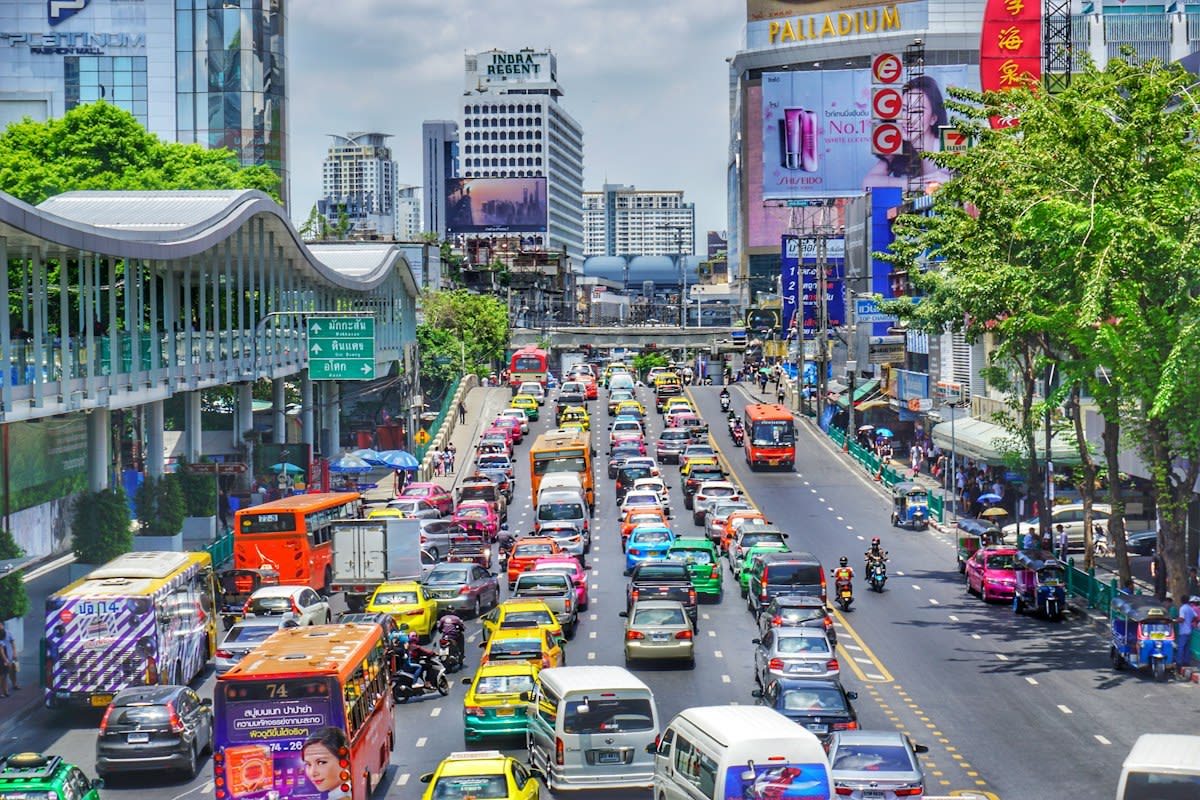
The hardware is the easy part. The real fight happens in the legislative hallways. I once worked on a project in Jakarta where the noise barriers were physically installed, but the traffic laws were ignored because the local police didn't want to ticket the delivery fleets. The result? A beautiful, green, sound-absorbing wall that did absolutely nothing because the motorcycles were still idling at full throttle right next to it. Hardware without enforcement is just expensive landscaping.
"The failure of most urban quiet zones in Asia is the refusal to acknowledge that noise is a byproduct of survival. You cannot tell a vendor to be quiet if the noise is how they attract customers in a crowded alley."— Dr. Aris Munandar, Urban Planning Specialist at Universitas Indonesia
Ground-Level Friction: The Ugly Reality
Let's talk about the friction. In Ho Chi Minh City, the 'hẻm' (narrow alleys) are the veins of the city. Trying to implement a quiet zone here is like trying to stop a river with a screen door. You will encounter the 'informal negotiation' phase. Local business owners will offer bribes to keep their generators running. Construction crews will ignore the quiet hours because the heat makes midnight work more efficient. The legal loopholes are wide enough to drive a truck through, and usually, that truck is the one making the noise.
Then there is the political infighting. The Ministry of Transport wants flow; the Ministry of Health wants silence. They do not talk. You will find yourself caught in the middle of a bureaucratic war where the noise level is the only thing that stays consistent. I have seen projects stalled for eighteen months because two departments could not agree on who pays for the maintenance of the sound-absorbing asphalt. This is the 'un-optimizable' part of the job.
| City | Avg Peak Noise (dB) | Primary Source | QZ Efficacy (Est.) |
|---|---|---|---|
| Bangkok | 85 | Traffic/Construction | Low-Medium |
| Jakarta | 82 | Motorcycles/Industry | Low |
| Ho Chi Minh City | 80 | Motorbikes/Markets | Medium |
| Singapore | 65 | Construction/Transit | High |
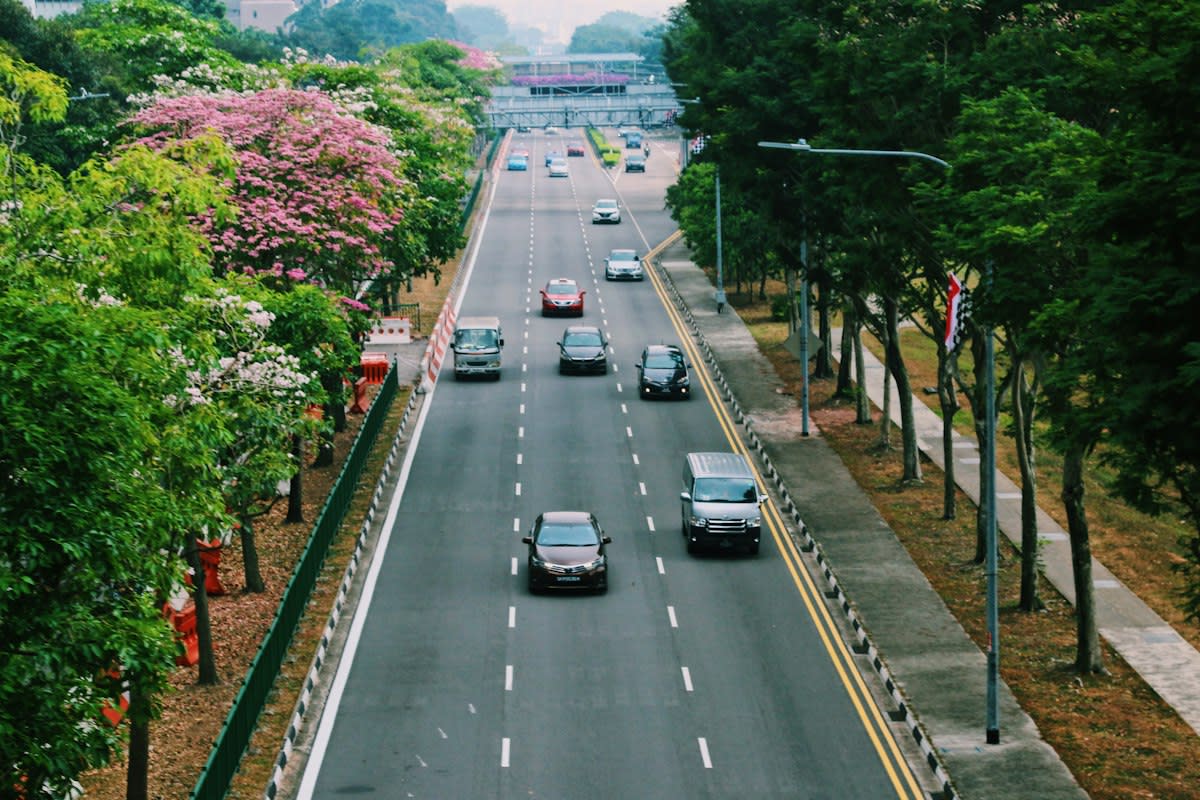
Compare Singapore to the rest. Why does it work there? Centralized control. They don't ask for buy-in; they mandate compliance. In the rest of Southeast Asia, you have to play a different game. You have to frame the Quiet Zone not as a restriction, but as a luxury. When you convince the local property developers that a 'Quiet District' increases real estate value by 15-20% (Source: Asia Pacific Real Estate Index, 2022), suddenly the bureaucracy starts moving. Follow the money, and the noise stops.
Common Pitfalls for the Uninitiated
- Relying on 'Awareness Campaigns': Nobody stops honking because of a poster. They stop because it costs them money.
- Ignoring the 'Edge Effect': If you make one street quiet, the noise just spills over into the next alley, creating a concentrated noise hell for the neighbors.
- Over-investing in Tech: A 10-million-dollar sensor network is useless if there is no one authorized to issue the ticket.
- Assuming Uniformity: A Quiet Zone in a financial district is a different beast than one in a residential kampung.
If you are still determined to push this through, stop reading the textbooks. Stop looking at how Copenhagen does it. Go to the street. Talk to the guys running the diesel generators. Find out what they need to switch to electric. If you can solve their problem, they will solve your noise problem. That is the only way these zones actually survive the first year of implementation.
Fact-Check & Accuracy Note
Settled: Noise levels above 65dB consistently lead to increased cortisol and cardiovascular stress (Source: WHO, 2018). Debated: Whether 'Quiet Zones' actually reduce city-wide noise or simply displace it to lower-income neighborhoods. Current data from the ASEAN Urban Forum (2021) suggests a displacement effect in 60% of tested zones.