
The Paradigm Shift: From Footprints to Handprints
For decades, the travel industry has obsessed over sustainability. We focused on the 'footprint'—the negative impact we leave behind. The goal was simple: neutralize the damage. Reduce the plastic, offset the carbon, and leave the beach as you found it. But 'leaving it as you found it' is a failure of imagination when the places we visit are already degraded. If a coral reef is dying or a local community is struggling with economic leakage, maintaining the status quo is an act of negligence. We must shift our focus from the footprint to the 'handprint'—the positive, active contribution we make to a destination's health.
Regenerative travel is not a marketing buzzword; it is a systemic approach to tourism. It asks a fundamental question: How can my presence here actually improve this place? This requires moving beyond the passive avoidance of harm toward the active creation of value. While sustainable travel seeks a net-zero impact, regenerative travel aims for a net-positive outcome. It is the difference between not cutting down a tree and planting a forest that supports the local water table and provides habitat for endangered species.
The Core Distinction
Sustainability is about maintenance. Regeneration is about evolution. One seeks to survive; the other seeks to thrive.
Prerequisites: What You Need Before You Book
You cannot regenerate a place you do not understand. The first prerequisite for any regenerative traveler is a willingness to abandon the 'vacation' mindset in favor of a 'visitation' mindset. A vacation is an extractive experience designed for the pleasure of the guest; a visitation is a reciprocal exchange. This requires an intellectual investment before you even pack your bags. You must move from being a consumer of experiences to a contributor to a system.
- A systemic audit of the destination: Research the specific ecological and social pressures the region faces (e.g., water scarcity in the Mediterranean or waste management in Southeast Asia).
- A localized budget: Allocate a specific percentage of your spending to community-owned enterprises rather than international chains.
- A reciprocity mindset: Identify what skill or resource you can offer that aligns with the community's actual needs, not your own desire to feel helpful.
- Slow-travel logistics: A commitment to longer stays in fewer places to reduce transport emissions and deepen local integration.
Financial preparation is also critical. Regenerative travel often costs more upfront because it bypasses the efficiencies of mass tourism. You are paying for fair wages, organic local produce, and the preservation of heritage sites. Consider this a 'regeneration tax'—an investment in the longevity of the destination. If you are looking for the cheapest flight and the lowest-cost hotel, you are likely participating in an extractive system that drains the destination of its wealth.

The Regenerative Framework: A Step-by-Step Guide
- Conduct a Destination Pressure Audit: Identify the 'pain points' of the location. Is the area suffering from biodiversity loss, cultural erosion, or economic leakage?
- Audit Your Supply Chain: Vet every vendor. Does the hotel employ locals in management positions? Does the tour operator pay a living wage? Does the restaurant source ingredients from within a 50-mile radius?
- Engage in Active Restoration: Participate in projects that provide a measurable benefit. This could be supporting a mangrove reforestation project or contributing to a community-led heritage archive.
- Practice Reciprocal Exchange: Move beyond the transaction. Spend time learning from locals and sharing knowledge in a way that is requested and valued by the community.
- Establish a Legacy Loop: After leaving, maintain a connection. Support the local businesses you visited through online reviews and continued patronage of their exports.
Let's break down the 'Economic Leakage' phase. In many developing island nations, tourism leakage can reach as high as 80%, meaning 80 cents of every dollar spent leaves the country via foreign-owned hotels and airlines. To fight this, you must intentionally divert your capital. This means choosing a guesthouse owned by a local family over a global resort chain. It means eating at the street stall rather than the hotel buffet. When you keep money within the local economy, you provide the community with the financial autonomy to protect their own environment on their own terms.
"The goal of the regenerative traveler is to ensure that the destination is more resilient because you visited, not despite your visit."— Industry Expert on Regenerative Tourism
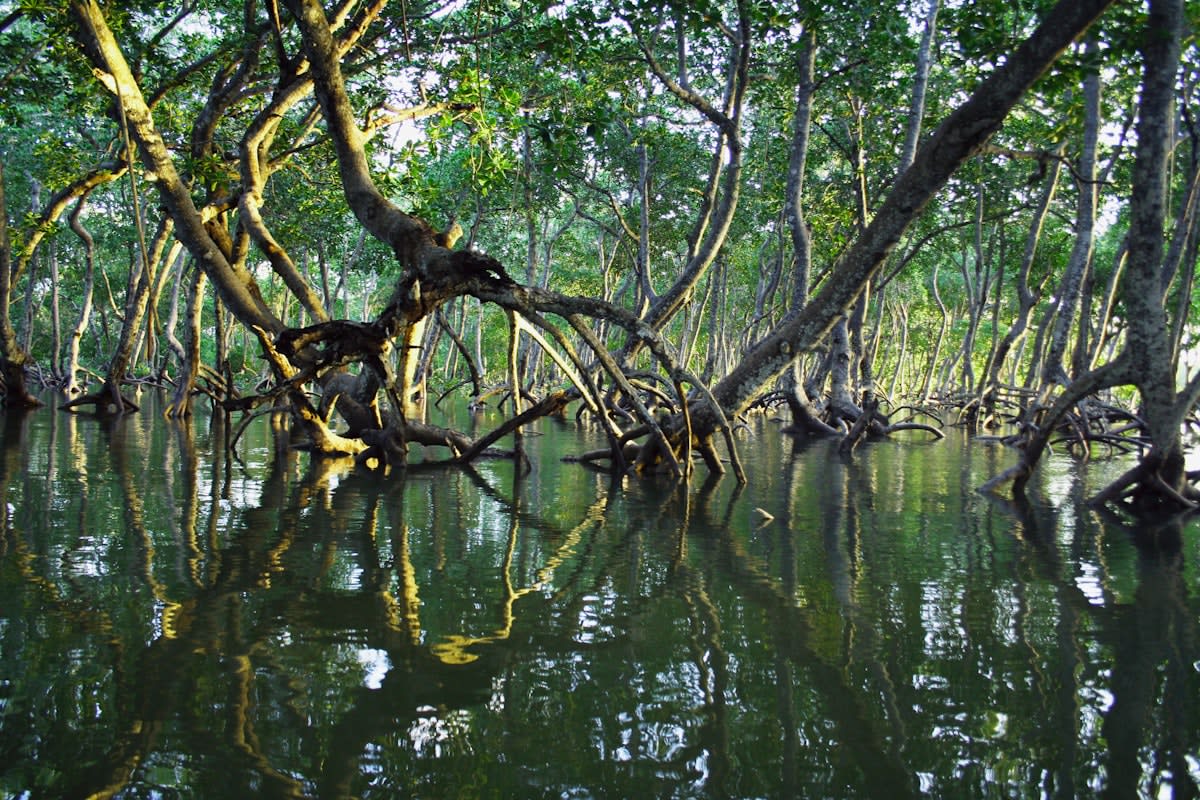
Ecological restoration requires more than just picking up trash. While cleaning a beach is a good start, it is a reactive measure. A regenerative approach is proactive. For instance, in regions focusing on carbon sequestration, supporting mangrove restoration is far more impactful than simple tree planting. Mangroves can sequester up to four times more carbon than terrestrial forests per hectare while providing essential nurseries for marine life. Seek out projects that are scientifically grounded and managed by local stewards who have a vested interest in the long-term health of the land.
| Action | Sustainable Approach (Net Zero) | Regenerative Approach (Net Positive) |
|---|---|---|
| Accommodation | Staying in a LEED-certified hotel | Staying in a community-owned lodge that funds local schools |
| Dining | Avoiding single-use plastics | Eating at a farm-to-table coop that restores soil health |
| Activities | Taking a low-emission walking tour | Participating in a citizen-science biodiversity survey |
| Transport | Buying carbon offsets for a flight | Investing in local electric transit infrastructure |
Cultural reciprocity is perhaps the most nuanced part of the framework. Too often, travelers treat local cultures as museums to be viewed. The regenerative traveler treats them as living systems to be respected. This means asking for permission before taking photos, learning basic phrases in the local language, and engaging in conversations that aren't centered on your own experience. It is about recognizing that the local knowledge of a farmer in Japan's Satoyama landscapes or a weaver in the Andes is as valuable as any academic degree.
Finally, the 'Legacy Loop' ensures your impact doesn't end when you check out of your hotel. Most travelers forget a place the moment they land back home. A regenerative practitioner maintains the thread. This could be as simple as writing detailed, honest reviews for a small local business to help them attract more ethical guests, or setting up a recurring micro-donation to a local conservation project you witnessed firsthand. The goal is to transition from a one-time visitor to a lifelong ally of the destination.
Common Pitfalls: How to Avoid the 'Savior' Trap
The most dangerous pitfall in regenerative travel is the 'Voluntourism' trap. Many agencies sell packages where travelers pay to build a school or paint an orphanage for a week. In reality, these projects often provide poor-quality work that locals must later fix, and they can disrupt the local labor market by replacing paid workers with unpaid, unskilled amateurs. If the project is designed more for the traveler's Instagram feed than for the community's needs, it is extractive, not regenerative. Avoid any 'volunteer' opportunity that doesn't require a specific professional skill and a long-term commitment.
Then there is the Savior Complex. This occurs when a traveler assumes they know what a community needs better than the community itself. Coming into a space with the mindset of 'fixing' things is an act of arrogance. Regeneration is not about saving people; it is about supporting the existing resilience of a place. The most effective regenerative travelers are those who listen more than they speak and follow the lead of local experts. If you are the one deciding where the money goes and how the project is run, you are not regenerating; you are colonizing.
Lastly, beware of 'Greenwashing 2.0'. As regenerative travel gains traction, hotels and tour operators will adopt the language without the practice. A resort that plants ten trees a year while draining the local aquifer is not regenerative. Look for transparency. Demand to see the data on where the money goes and how the local ecosystem is being measured. True regeneration is quantifiable. If a company cannot tell you exactly how the destination is better because of their operations, they are simply selling you a feel-good story.
The Ethics Check
Before committing to a project, ask: 'Who benefits most from this activity—the local community or my own sense of fulfillment?' If the answer is the latter, walk away.