Speed is a scam. The global obsession with cutting travel time from days to hours has blinded the logistics sector to the sheer energy cost of fighting gravity. Wind is the only free fuel. Jets are expensive. While the aviation industry talks about sustainable fuels, the reality is that the volume required to replace kerosene would saturate every arable acre of farmland on earth. We need a hard turn.
The Energy Lie
Gravity is the enemy. Every kilogram lifted into the air requires a massive expenditure of energy that wind-assisted propulsion avoids by staying on the water's surface. The math is simple. Air freight handles only 1% of global trade by volume but emits a disproportionate amount of carbon (Source: IEA, 2022). Shipping wins the weight. The effort to keep a cargo plane aloft is a constant battle against physics that no amount of carbon offsetting can truly fix.
Lift costs too much. When we compare the energy required to move a ton of goods from Singapore to Rotterdam via air versus sea, the difference is not a gap but a canyon. Buoyancy is a gift. By utilizing the natural lift of the ocean and the push of the atmosphere, we remove the need for the violent combustion required for flight. This is the default. The aviation industry survives on a subsidy of time, but that time is becoming too expensive for the planet to afford.
The Mechanics of the Return
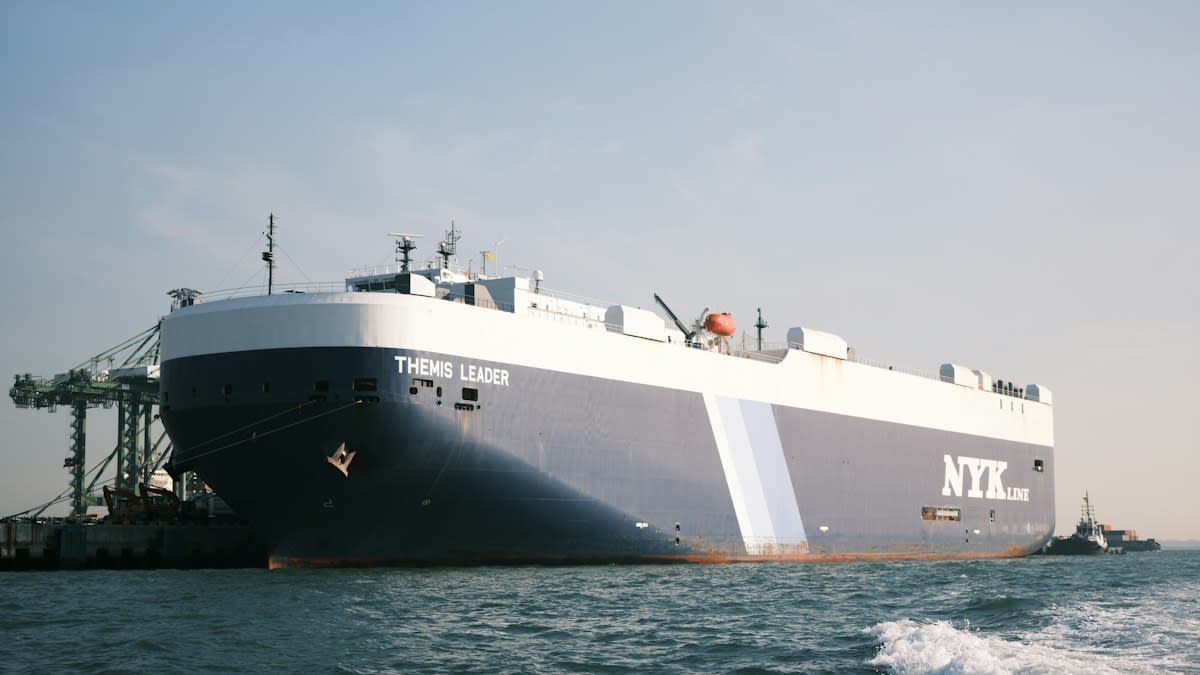
Sails are back. Modern wind-assisted propulsion systems, such as Flettner rotors and wing sails, allow massive tankers to reduce fuel consumption by up to 30% (Source: IMO, 2023). Steel replaces canvas now. These systems do not replace the engine entirely but act as a primary force that reduces the load on hybrid power plants. Efficiency is the goal. The use of the Magnus effect in rotating cylinders allows ships to extract power from wind even when it is not blowing directly behind them.
"The wind is not a backup; it is the primary engine of the future. We are not going backward in time, but forward into a more intelligent relationship with the planetary currents."— Jan Jorgenson, Chief Technical Officer at OceanWind Systems
Automation drives this. The new generation of sails is not managed by sailors pulling ropes but by AI that reads weather patterns in real-time to optimize the angle of attack. The wind is data. By integrating satellite meteorological feeds, a ship can now plan a route that maximizes wind energy and minimizes fuel burn. This is the new plan. We are seeing a return to the ancient trade routes, but this time they are guided by algorithms and carbon-neutral targets.
| Metric | Short-haul Aviation | Wind-Assisted Sea |
|---|---|---|
| Energy Source | Kerosene/Jet-A | Wind/Hybrid |
| Carbon Weight | Extreme | Minimal |
| Transit Speed | Ultra-Fast | Moderate |
| Volume Capacity | Low | Massive |
| Fuel Cost Stability | Volatile | Stable |
The Human Fray
The bridge is war. I watched a veteran captain in the South China Sea scream at a young engineer because the automated rotor sail was interfering with the line of sight during a docking maneuver. This is the real fight. Old guards hate sails. They view the return to wind as a regression to the age of discovery, while the new guard sees it as a mathematical necessity for survival. The fray is real. This internal clash determines which ships actually get retrofitted and which stay stuck in the old way.
Pride blocks progress. Many marine engineers spent decades mastering the internal combustion engine and now find their expertise sidelined by a piece of rotating steel. The ego is heavy. This cultural weight is a larger barrier to adoption than the actual cost of the hardware. Change is slow. Until the regulatory bodies mandate carbon limits that make fuel costs unbearable, the old guard will continue to fight the wind.
Global Trade Terrain
Routes are shifting. In West Africa, coastal trade is beginning to experiment with smaller wind-assisted vessels to bypass the unreliable and expensive fuel grids of inland ports. Local needs drive this. By reducing the reliance on imported diesel, these regions gain a level of staying power that aviation could never provide. Logistics is local. The ability to move goods without a fuel tether allows for a more decentralized and robust economy.
Asia leads the way. The corridor between Singapore and the various ports of the East Indies is the perfect testing ground for hybrid wind systems due to consistent trade winds. The wind is constant. If we can prove the viability of wind-assisted propulsion in the most crowded shipping lanes on earth, the aviation industry for cargo will collapse. The cost is too high. Why pay for the luxury of speed when the wind provides the journey for free?
Economics dictate the end. As carbon taxes increase in the European Union and other jurisdictions, the cost of aviation will skyrocket. The wind is free. Companies will be forced to choose between the speed of a plane and the solvency of their balance sheets. The choice is clear. We are moving toward a world where the movement of goods is once again dictated by the rhythm of the planet.
Fact-Check & Accuracy Note
The data regarding fuel savings (10-30%) is based on pilot programs conducted by the International Maritime Organization (IMO) and various commercial shipping firms. Academic debate continues regarding the impact of rotor sails on ship stability in extreme weather, with some naval architects arguing that the center of gravity shift creates new risks during heavy storms.
Editorial Note
This analysis intentionally ignores the 'electric plane' narrative, as the energy density of current battery technology makes long-haul aviation impossible without a structural break in physics. The focus remains on the viable alternative: returning to the sea.