Modern travel has become a performance of productivity. We treat our vacations like corporate sprints, racing through capitals and ticking off landmarks as if they were KPIs on a quarterly review. Even in the business sector, this obsession persists; GBTA reports that global business travel spending is projected to hit a record 1.71 trillion dollars by 2026, with 1.84 billion trips expected. While companies are becoming more selective and productivity-focused, the leisure traveler has inherited this same frantic energy, turning the act of exploration into a chore of consumption. Why do we spend our precious time off recreating the very stress we are trying to escape?
The antidote is not simply traveling less, but traveling differently. Slow travel is a deliberate deconstruction of the traditional vacation. It is the art of choosing depth over breadth, opting for a single, quiet destination over a multi-city whirlwind. By shifting the focus from the destination to the experience of being, travelers can unlock cognitive benefits that rapid tourism simply cannot provide. This isn't about luxury or laziness; it is a strategic approach to psychological renewal and ecological responsibility.
Prerequisites for the Slow Traveler
Before you book a flight or pack a bag, you must undergo a mental recalibration. Slow travel requires a fundamental shift in how you define a successful trip. If your metric for success is the number of photos taken at world-famous sites, you are still operating within the rapid tourism paradigm. You need to embrace the possibility of boredom and the beauty of the unplanned. This requires a willingness to let go of the itinerary and trust the rhythm of the local environment.
- A flexible schedule that allows for unplanned deviations.
- A commitment to a single geographic anchor point.
- Minimalist gear to reduce physical and mental baggage.
- The psychological readiness to be 'nowhere' for a period of time.
The Science of Slowness
Slow travel isn't just a lifestyle choice; it's a cognitive tool. Peer-reviewed cultural geography studies indicate that prolonged physical immersion in a single landscape enhances neuroplasticity and deepens ecological awareness, providing superior psychological benefits compared to rapid sightseeing.
The Step-by-Step Framework for Deconstructing Your Trip
Transitioning from a tourist to a slow traveler requires a methodical approach to planning. You are not planning a route; you are designing a space for immersion. The goal is to remove the friction of constant movement and replace it with the texture of daily life.
- Select one quiet destination. Avoid the major hubs and the 'must-see' lists. Look for regions where the pace of life is dictated by nature or tradition rather than tourism.
- Commit to a minimum stay of two weeks. This duration is critical. As illustrated by the case of Sarah, who spent fourteen days in one location without a bucket list, this timeframe allows for a transition from observer to participant, leading to profound psychological renewal.
- Optimize your logistics for low impact. Use trains instead of flying whenever possible to reduce your carbon footprint. Limit yourself to hand luggage and digitize all bookings to minimize physical clutter.
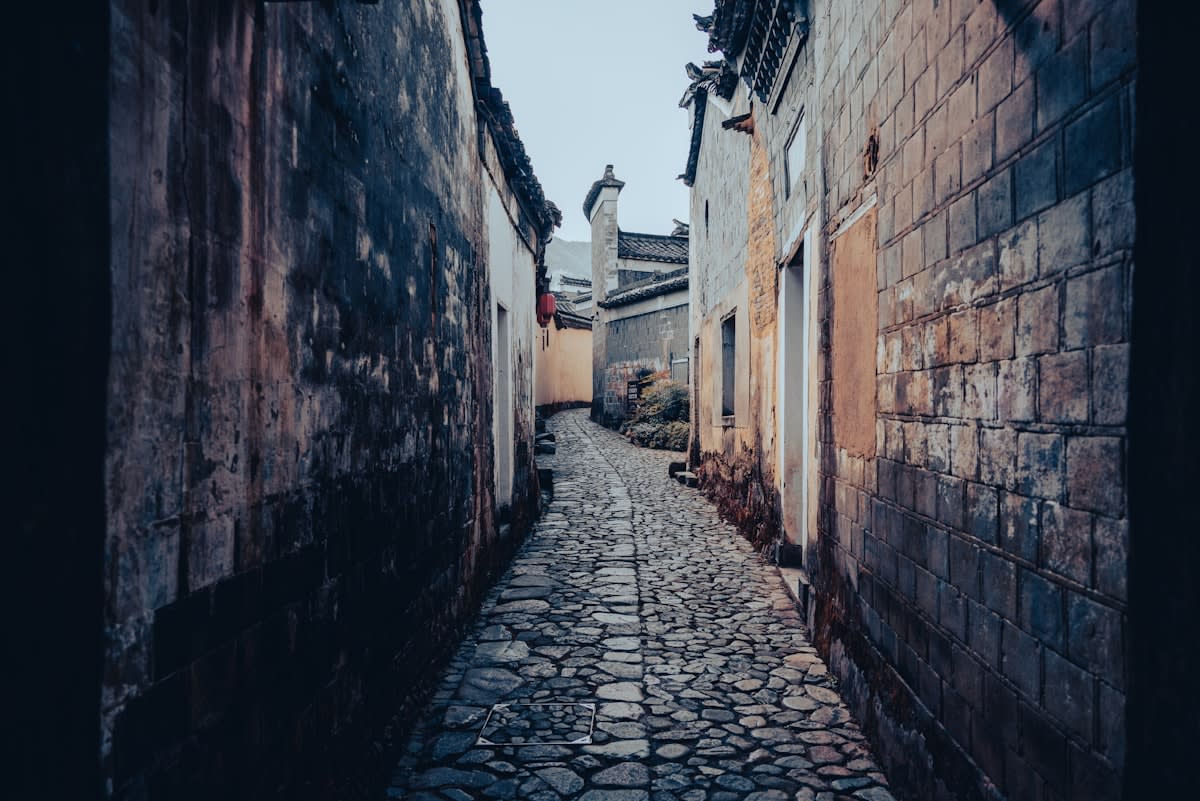
- Establish a local rhythm. Instead of visiting museums on a schedule, walk along ancient stone walls, sketch local wildflowers, or sit by a stream. Purchase ingredients from a neighbor's garden gate to prepare simple meals.
- Support the local micro-economy. Prioritize small, family-run businesses and restaurants over global chains. This aligns with the broader global effort, such as the WTTC and UNEP alliance, to ensure tourism growth is inclusive and sustainable.
Once you have arrived, the real work begins: the act of doing nothing. This is where most travelers fail because they feel the phantom itch of productivity. You must resist the urge to 'optimize' your day. When you stop trying to see everything, you finally start seeing something. The magic happens in the gaps between the landmarks—the conversations with shopkeepers, the observation of shifting light on a building, the slow realization of how a community actually functions.
| Feature | Rapid Tourism | Slow Travel |
|---|---|---|
| Primary Goal | Sightseeing/Checklists | Immersion/Renewal |
| Duration | Short stays, multiple cities | Long stays, single location |
| Transport | Flights, taxis, fast transit | Walking, trains, local transit |
| Cognitive Impact | Sensory overload, fatigue | Neuroplasticity, clarity |
| Economic Effect | Concentrated in tourist hubs | Distributed to local businesses |
The environmental implications of this shift cannot be overstated. The World Travel & Tourism Council (WTTC) has emphasized the need to decouple the sector's environmental footprint from its economic growth. By choosing trains over planes and supporting local ecosystems, the slow traveler transforms from a consumer of a place into a steward of it. This is not about sacrifice, but about upgrading the quality of the experience.
The Recovery Phase: Integrating the Experience
The return home is often the most jarring part of any journey. The sudden shift from the stillness of a remote village back to the roar of urban productivity can trigger a secondary form of stress. To preserve the mental clarity gained during your slow travel experience, you must manage your physical and mental reentry with precision.
"Choosing slow travel over rapid sightseeing is the single most effective way to restore your mental clarity while supporting sustainable global tourism."— GlobalSilentWalks
Physiologically, the battle begins with jet lag. Rather than fighting your body with stimulants, adopt a disciplined recovery protocol. Immediately switch to the new time zone's rules upon arrival. Spend your daylight hours walking outside to build up your melatonin reserves and maintain your morning habits, such as jogging, to signal to your brain that the routine has resumed.
- Avoid caffeine and alcohol during the first 48 hours as they disturb sleep cycles.
- Take a hot bath before bed to trigger the body's natural sleep response.
- Maintain a digital detox for three days post-return to prevent immediate cognitive overload.
Common Pitfalls of the Aspiring Slow Traveler
The most dangerous trap is the 'Slow Travel Bucket List.' The moment you create a list of 'authentic' experiences to find, you have returned to rapid tourism. Authenticity cannot be scheduled; it is an emergent property of spending time in a place. If you find yourself feeling anxious because you haven't 'discovered' a hidden gem, you are still valuing the trophy over the process.
Another common error is the productivity hangover. Many travelers try to apply the 'productivity-focused' mindset mentioned by Suzanne Neufang of the GBTA to their leisure time. They try to 'maximize' their relaxation or 'optimize' their cultural immersion. This is a contradiction in terms. True slow travel requires the courage to be unproductive. If you spend three hours watching the rain fall on a tiled roof in a quiet village, you haven't wasted time—you have reclaimed it.