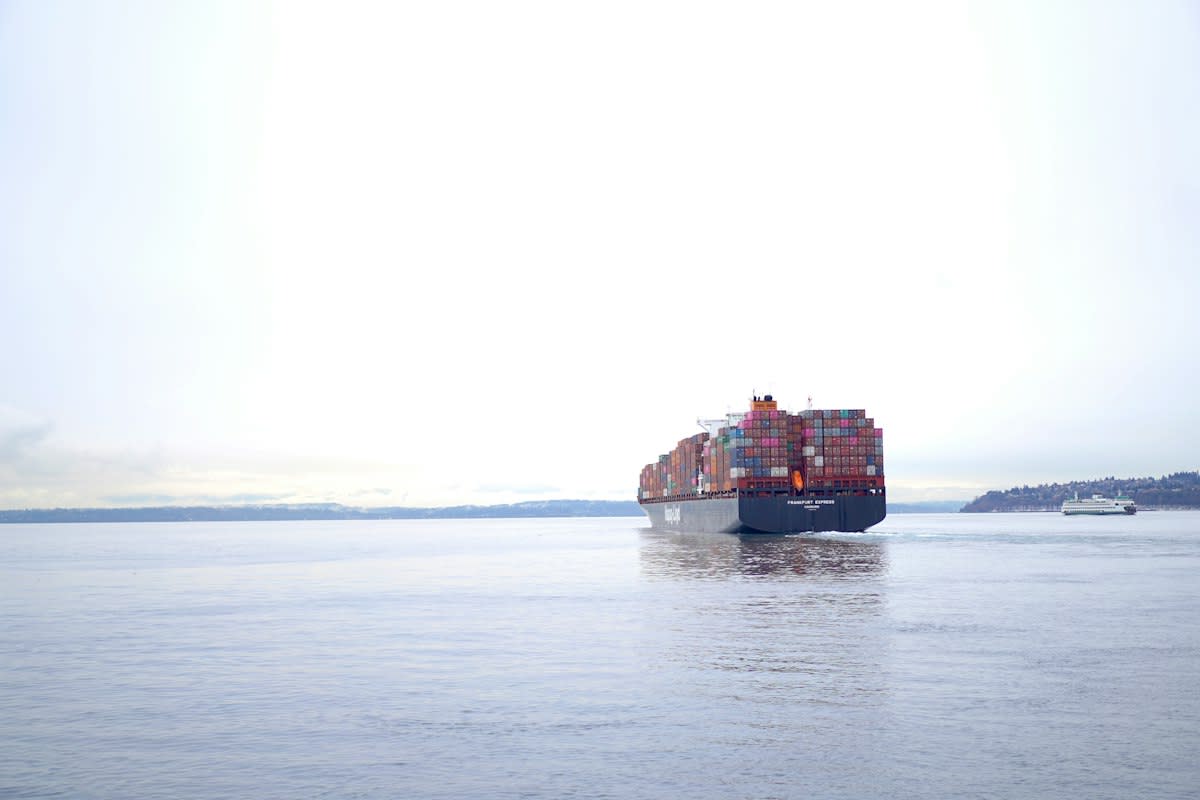
Suez is not dying. While the world obsesses over melting ice caps and the romantic notion of a shortcut to Asia, the mechanical reality of shipping makes the Northern Sea Route a niche player. It is a logistics nightmare. Most analysts ignore the fact that distance is not the only variable in a shipping equation, as the lack of deep-water ports in the Arctic renders the route useless for mega-vessels. Speed is not everything.
The Distance Deception
Maps lie to us. A line drawn across the top of the globe looks efficient, but it ignores the brutal physical requirements of moving 20,000 containers through shifting ice fields. The math fails. While the Northern Sea Route can cut distance by roughly 40 percent for voyages from Shanghai to Rotterdam, the actual time saved vanishes when you factor in the mandatory slow-steaming required for ice navigation (Source: UNCTAD, 2023). Efficiency requires consistency. A route that is open only four months a year cannot support the just-in-time delivery schedules that modern retail depends upon.
| Metric | Suez Canal Route | Northern Sea Route (NSR) |
|---|---|---|
| Distance (Shanghai to Rotterdam) | 10,500 nm | 7,000 nm |
| Average Transit Time | 35 Days | 22-28 Days (Seasonal) |
| Annual Availability | 365 Days | 120-150 Days |
| Infrastructure Support | High (Global) | Low (Localized) |
Costs remain high. The requirement for ice-class hulls increases construction costs by 20 to 30 percent compared to standard vessels, which removes any immediate profit from the shorter trip (Source: Arctic Council, 2022). Capital hates risk. If a company invests billions in a fleet that can only utilize its primary advantage for a third of the year, the asset remains underutilized. The weight of depreciation kills the deal.
The Infrastructure Void
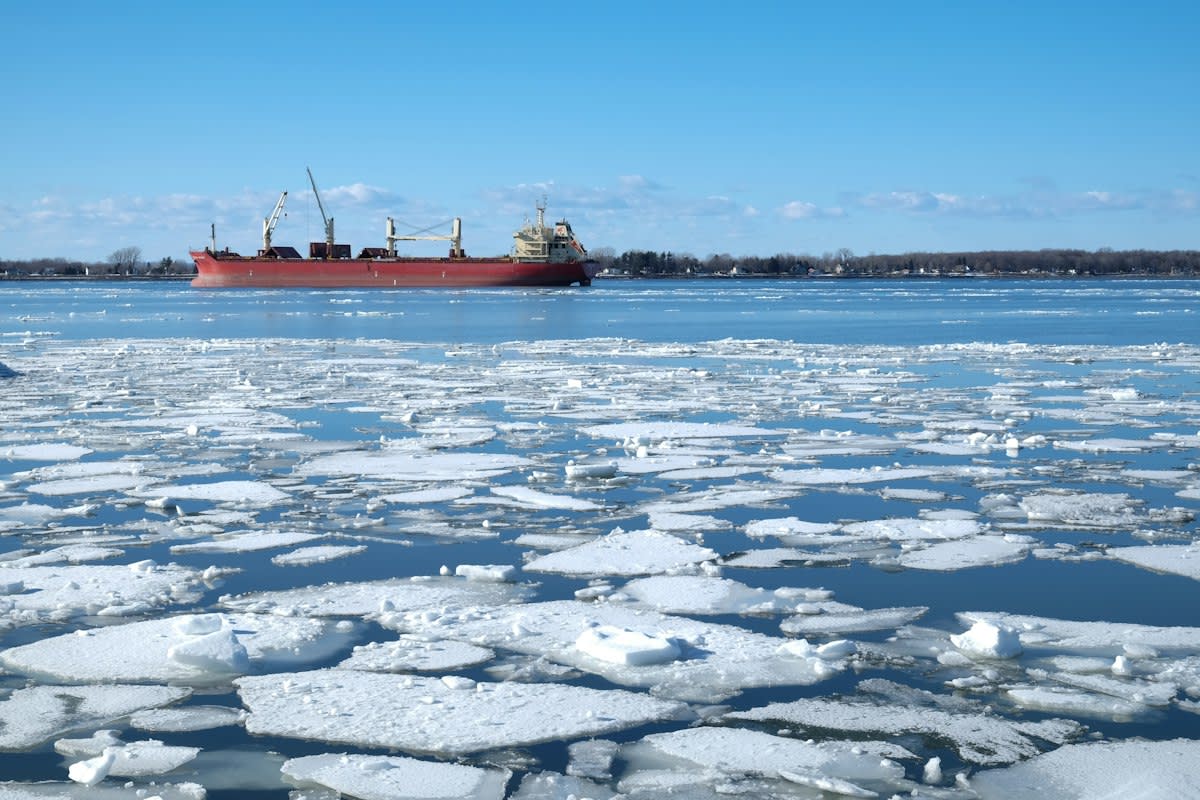
Ports need concrete. The Arctic lacks the deep-water berths and refueling stations required to support the massive vessels that dominate the current global trade routes. This is a void. While Russia attempts to build out the Port of Murmansk, the sheer scale of the coastline makes comprehensive search-and-rescue coverage a physical impossibility (Source: World Bank, 2021). Safety is a requirement. If a vessel founders near the Laptev Sea, there is no rapid-response fleet capable of saving a crew in freezing waters.
"The Northern Sea Route is a strategic asset for Russia and a curiosity for China, but it is not a viable replacement for the Suez Canal because the global supply chain requires predictability, not just proximity."— Dr. Elena Voronina, Maritime Logistics Expert at the Baltic Maritime Institute
Predictability is king. Carriers like Maersk and MSC rely on schedules that are timed to the hour to ensure that port berths in Singapore or Algeciras are not wasted. Arctic weather is chaotic. A sudden ice floe can delay a ship by five days, creating a ripple effect that disrupts ports across three continents (Source: Lloyd's List, 2023). Chaos is expensive. The Suez Canal, despite its occasional blockages, offers a level of throughput that the Arctic cannot replicate.
Fact-Check & Accuracy Note
The debate over Arctic viability often splits between climate scientists and maritime economists. Scientists track the receding ice, while economists track the cost per TEU. The gap between these two metrics is where the 'Arctic shortcut' myth lives.
The Polar Silk Road
China plays long. Beijing views the Arctic not as a replacement for Suez, but as a strategic hedge against the potential closure of the Malacca Strait. This is a web. By investing in the Yamal LNG project and building ice-breaking tankers, China ensures it has a default path for energy imports if geopolitical tensions peak in Southeast Asia (Source: Center for Strategic and International Studies, 2022). Strategy outweighs profit. They are not looking for a quarterly win, but a century of energy security.
India watches closely. New Delhi has expressed interest in the route to reduce the weight of its dependency on Middle Eastern transit points. The interest is real. However, the lack of Indian-flagged ice-class vessels means they remain dependent on foreign charters, which eats into the potential savings of the shorter route (Source: Ministry of Shipping, India, 2023). Dependency is a burden. Until a nation owns the means of Arctic transit, the route remains a theoretical advantage.
The Insurance War
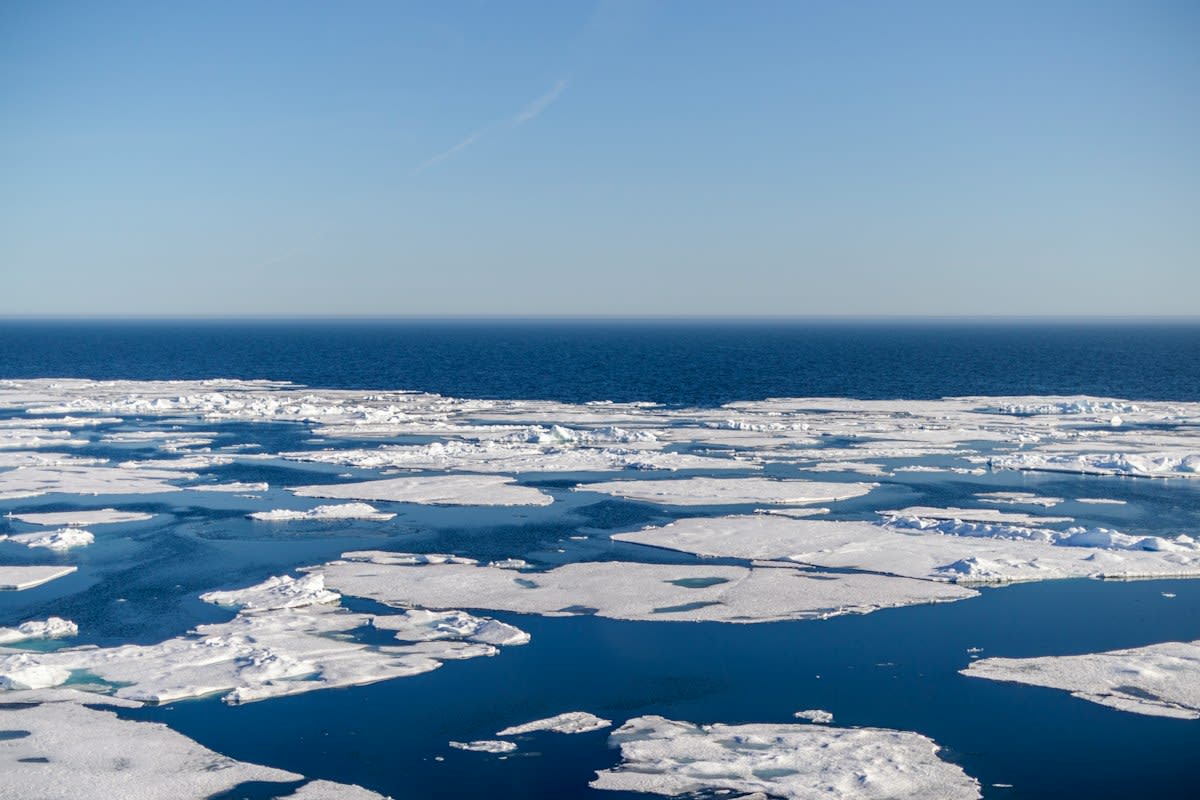
Underwriters hate ice. I have sat in the rooms where ship owners argue with insurance adjusters over the definition of an Ice Class 1A hull. It is a fight. Owners want lower premiums by claiming their vessels are 'Arctic-ready', while insurers demand reinforced steel that reduces the ship's total cargo capacity. This is a mechanical failure. You cannot maximize cargo and maximize ice-resistance simultaneously; one must give way to the other.
Premiums are lethal. A standard voyage through Suez carries a predictable insurance cost, but an Arctic transit can see premiums spike by 300 percent based on real-time ice reports (Source: International Group of P&I Clubs, 2022). Risk is priced. When the cost of insurance exceeds the savings in fuel, the shorter route becomes the more expensive option. The ledger does not lie.
Suez remains safe. Egypt continues to expand the canal to accommodate the largest vessels, ensuring the terrain remains favorable for the world's shipping giants. The investment is massive. By increasing the capacity of the canal, Egypt reinforces the default nature of the route, making the Arctic an even less attractive alternative (Source: Suez Canal Authority, 2023). Dominance is maintained through expansion.
Editorial Note
Editorial Note: This analysis assumes current geopolitical stability in the Arctic. Should Russia grant open, unrestricted access to the NSR without heavy transit fees, the economic calculations would shift, though the physical infrastructure void would remain.
The verdict is clear. Arctic ports will not kill Suez revenue because the global economy values reliability over a gamble on the weather. It is a matter of scale. The Suez Canal handles roughly 12 percent of global trade, a volume that would saturate the Arctic's limited infrastructure in a single week (Source: UNCTAD, 2023). Scale wins every time.