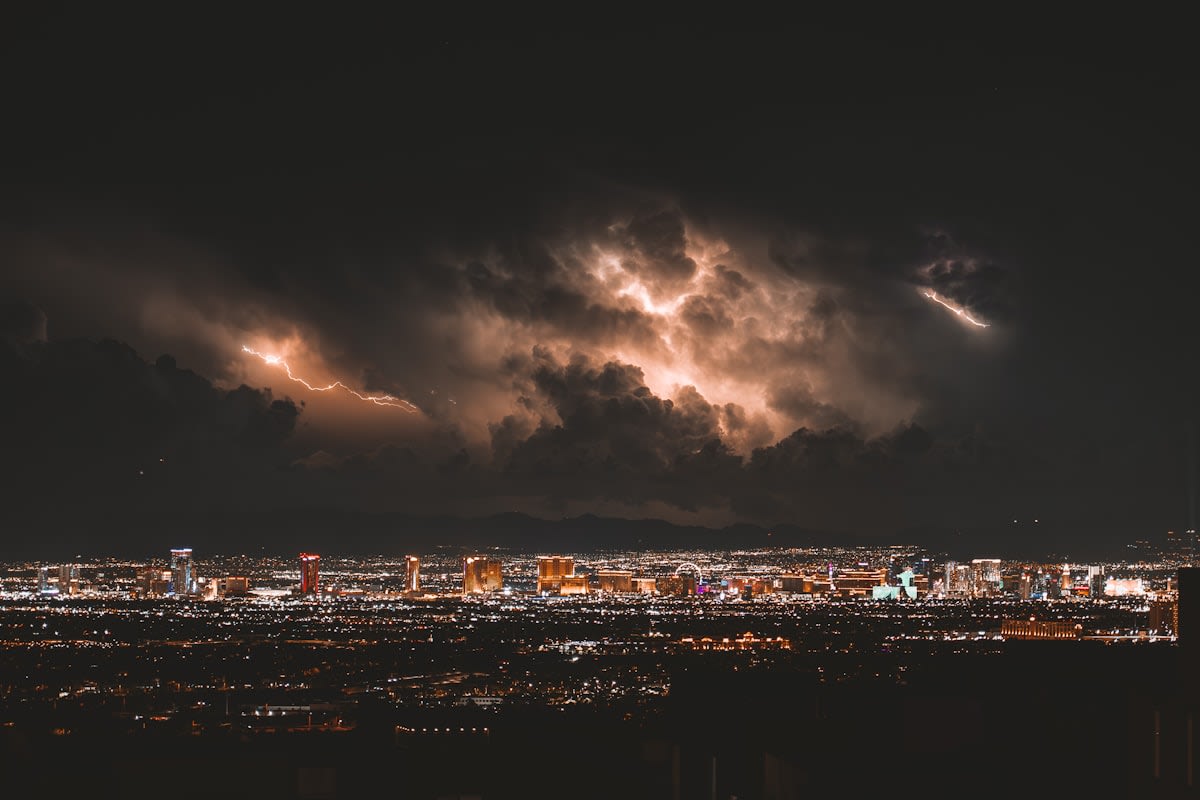
For decades, the movement of global wealth followed a predictable script: chase the emerging markets, settle in the financial capitals, and optimize for tax efficiency. But a new, quieter script is being written. We are witnessing the emergence of the Thermal Hedge. While the public focuses on localized weather events, the strategic class—the entrepreneurs, the hedge fund managers, and the industrial titans—is beginning to price in a different kind of risk. They aren't just running away from heat; they are running toward duration.
What does this actually mean? It means the traditional geography of power is decoupling from historical centers of commerce. When we see wealth leaving established hubs like New York City, it is easy to attribute it solely to tax policy or social friction. Former New York Governor George Pataki noted that entrepreneurs and financial leaders are increasingly heading for the exits, citing tax policies and rising antisemitism as primary drivers (Source: Fox Business, 2026). However, a strategic analyst sees a deeper pattern. This is not just an exodus from a city; it is a pilot program for a broader migration toward regions that offer systemic stability over temporary convenience.
The Pivot from Severity to Duration Risk
In the world of risk management, we have long obsessed over severity—the intensity of a single hurricane or the peak temperature of a heatwave. But that metric is becoming obsolete. The real threat now is duration. According to Aon, the defining challenge for property risk in natural resources has shifted from severity risk to duration risk, where the primary concern is prolonged disruption under volatile climate and capital conditions (Source: Utility Dive, 2026). When a critical logistics hub floods or a facility is hit by wildfire, the immediate loss is a line item. But when that disruption lasts for months or years, it becomes a balance sheet event.
"Historical loss data should no longer be considered adequate as the sole foundation for future capital decisions. A single natural resources site may represent billions in assets and a disproportionate share of production capacity."— Aon, Risk Analysis Report on Natural Resources
This shift in thinking changes everything. If you are managing a multi-billion dollar portfolio, you stop asking 'Will this asset survive a storm?' and start asking 'How long will this region remain operational?' This is why the North and South poles, and the high-latitude zones surrounding them, are suddenly appearing on the radar of long-term capital allocators. These regions aren't just cooler; they are the only places where duration risk is currently trending downward.
| Metric | Severity Risk Model (Legacy) | Duration Risk Model (Emerging) |
|---|---|---|
| Primary Concern | Peak intensity of event | Length of operational outage |
| Financial Impact | Insurance claim/Repair cost | Balance sheet impairment |
| Data Foundation | Historical loss averages | Predictive volatility modeling |
| Strategic Response | Hardening infrastructure | Geographic diversification |
The transition from legacy models to duration models is where the friction lies. Most institutional investors are still using 20th-century data to make 21st-century bets. They are hedging for the 'big storm' while ignoring the 'long drought' or the 'permanent heat dome.' This misalignment creates a massive opportunity for those who recognize that the geography of wealth is shifting before the maps are redrawn.
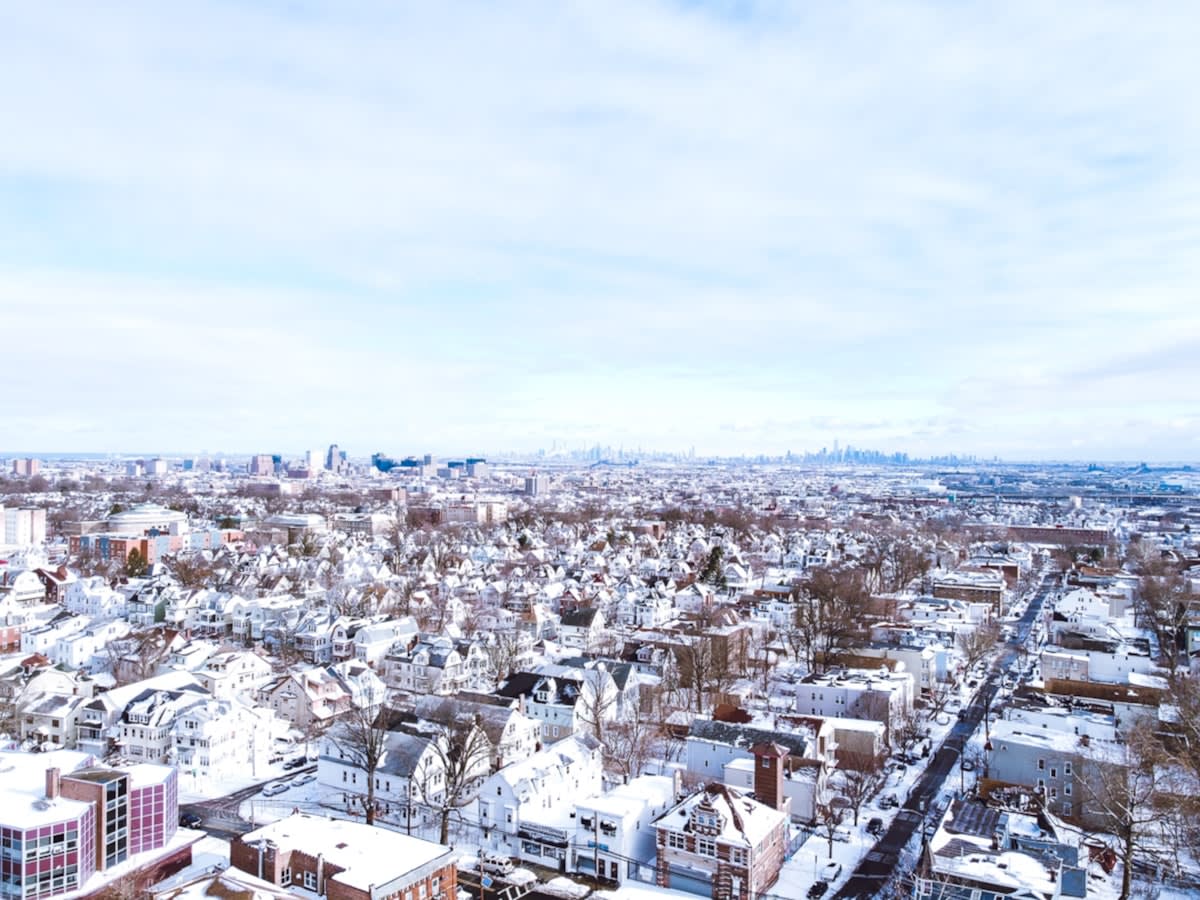
We see the triggers for this migration in the current meteorological volatility. The arrival of what some are calling a Super El Niño pattern is already creating instability in traditionally stable regions (Source: Las Vegas Review-Journal, 2026). From record-breaking sloshes into California and Nevada to stubborn heat domes over the midsection of the United States, the environment is signaling that the 'habitable zone' for high-value assets is shrinking. When the weather becomes a constant variable rather than a seasonal one, capital seeks the edges of the map.
The Macroeconomic Squeeze
Climate migration does not happen in a vacuum; it is accelerated by macroeconomic pressure. The cost of maintaining assets in volatile zones is skyrocketing. Wall Street is already under pressure from higher oil prices and rising bond yields, which stokes inflation and makes borrowing more expensive (Source: Los Angeles Times, 2026). For a company reliant on heavy borrowing to fuel AI growth or infrastructure expansion, the combination of high interest rates and climate-driven duration risk is a lethal cocktail.
Why does this drive wealth toward the poles? Because the cost of resilience in the tropics or mid-latitudes is becoming prohibitive. It is cheaper to move a data center or a corporate headquarters to a region where natural cooling is a feature, not a luxury. The strategic analyst asks: why spend billions on cooling systems and flood walls in a sinking city when you can relocate to a latitude where the environment does the work for you?
On the ground, this debate is visceral. I have sat in rooms with risk actuaries and capital allocators who argue late into the night about the validity of historical data. The traditionalists insist that 'we've seen these cycles before.' The contrarians—the ones actually moving their money—point to the duration risk. They argue that the friction isn't the event itself, but the recovery time. In a world of just-in-time supply chains, a three-month outage is not a disaster; it is an extinction event for a business.
The Ultimate Habitable Zone
This drive for stability has reached such a fever pitch that it has entered the realm of astronomical curiosity. While we seek refuge on Earth, scientists are identifying the same patterns in the cosmos. A Spanish-led team recently confirmed the discovery of TOI-1752 c, a planet twice the size of Earth with a temperature around 18C, placing it in the optimistic habitable zone where liquid water could exist (Source: Ground News, 2026). While this is light-years away, the narrative is identical: the search for the precise temperature band that allows for sustained, long-term existence.
Whether it is a planet 337 light-years away or a plot of land in the Arctic Circle, the logic remains the same. Wealth is a function of stability. When the center becomes too volatile, the edges become the new center. The Cooling Migration is not a panic; it is a calculated repositioning. It is the realization that the most valuable commodity of the next century will not be oil or data, but a stable, predictable temperature.
Fact-Check & Accuracy Note
Key claims regarding the shift from severity to duration risk are sourced from Aon via Utility Dive (2026). Data regarding the New York exodus is attributed to George Pataki via Fox Business (2026). Meteorological triggers are based on reports from the Las Vegas Review-Journal (2026). Macroeconomic pressures are sourced from the Los Angeles Times (2026). The discovery of TOI-1752 c is attributed to the Andalusian Institute of Astrophysics via Ground News (2026). Ongoing debate exists regarding the speed of this migration and the extent to which tax policy versus climate risk drives urban flight.