El Niño is now stronger than at any point in the last 1,000 years, study finds
Source Entity
Jacek Krywko
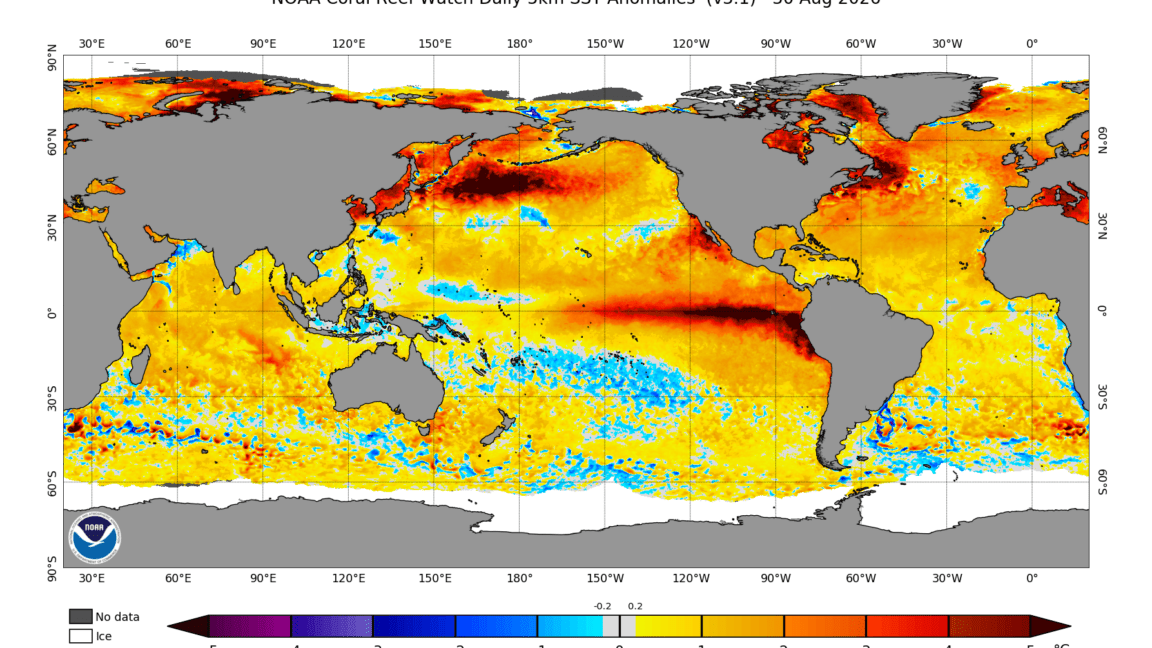
A new scientific study reveals that El Niño has reached its strongest levels in at least 1,000 years. This intensification, driven by global warming, threatens to exacerbate extreme weather patterns across the globe.
The Unprecedented Intensification of El Niño
Recent scientific findings have confirmed that the El Niño–Southern Oscillation (ENSO) system has reached an intensity unseen in the last millennium. This discovery marks a critical milestone in climate science, as researchers have long debated whether anthropogenic global warming was merely a backdrop for these natural cycles or an active driver of their increasing volatility. By analyzing historical data, scientists have now clarified that the current strength of these events is not merely a natural fluctuation but a significant departure from historical norms.
Understanding the ENSO Mechanism
At its core, the ENSO system acts as the primary engine of year-to-year climate variation on Earth. Operating as a seesaw between the warm El Niño and its cold counterpart, La Niña, the system dictates the movement of rainfall across the tropics. These swings have historically been responsible for predictable, albeit impactful, weather shifts: drying out the Australian landscape while simultaneously triggering floods in parts of Peru. However, the current research suggests that the predictability of these shifts is being compromised by the sheer magnitude of the energy involved.
The Intersection of Natural Cycles and Global Warming
For decades, the global scientific community has observed a trend of increasingly potent El Niño events throughout the late 20th and early 21st centuries. The critical question remained: were these events inherently tied to the rising baseline temperatures of our planet? The study confirms that the added thermal energy in our oceans and atmosphere is not just sitting atop these cycles; it is actively fueling them. This infusion of energy acts as an accelerant, causing the swings between warm and cold phases to become significantly more dramatic and dangerous.
Broader Environmental Implications
As Julie Cole and her colleagues note, this represents a stark warning sign for the future of our climate. When the largest source of year-to-year climate variation becomes more intense, the downstream effects on global food security, water management, and disaster preparedness become exponentially more difficult to manage. The ability of the ENSO system to rearrange weather patterns across the entire planet means that these intensified swings will likely lead to more frequent and severe extreme weather events, ranging from prolonged droughts to catastrophic flooding.
Future Trends and Scientific Outlook
Looking ahead, this study underscores the necessity of re-evaluating our climate models to account for a more volatile ENSO system. If El Niño is indeed stronger now than at any point in the last 1,000 years, current infrastructure and agricultural practices may be ill-equipped to handle the resulting environmental stressors. The scientific community faces the urgent task of determining how much further this intensification will progress and what mitigation strategies can be employed to protect vulnerable regions from the inevitable shifts in global precipitation and temperature patterns.