India rejects court order to uphold decades-old water-sharing treaty with Pakistan
Source Entity
US Top News and Analysis
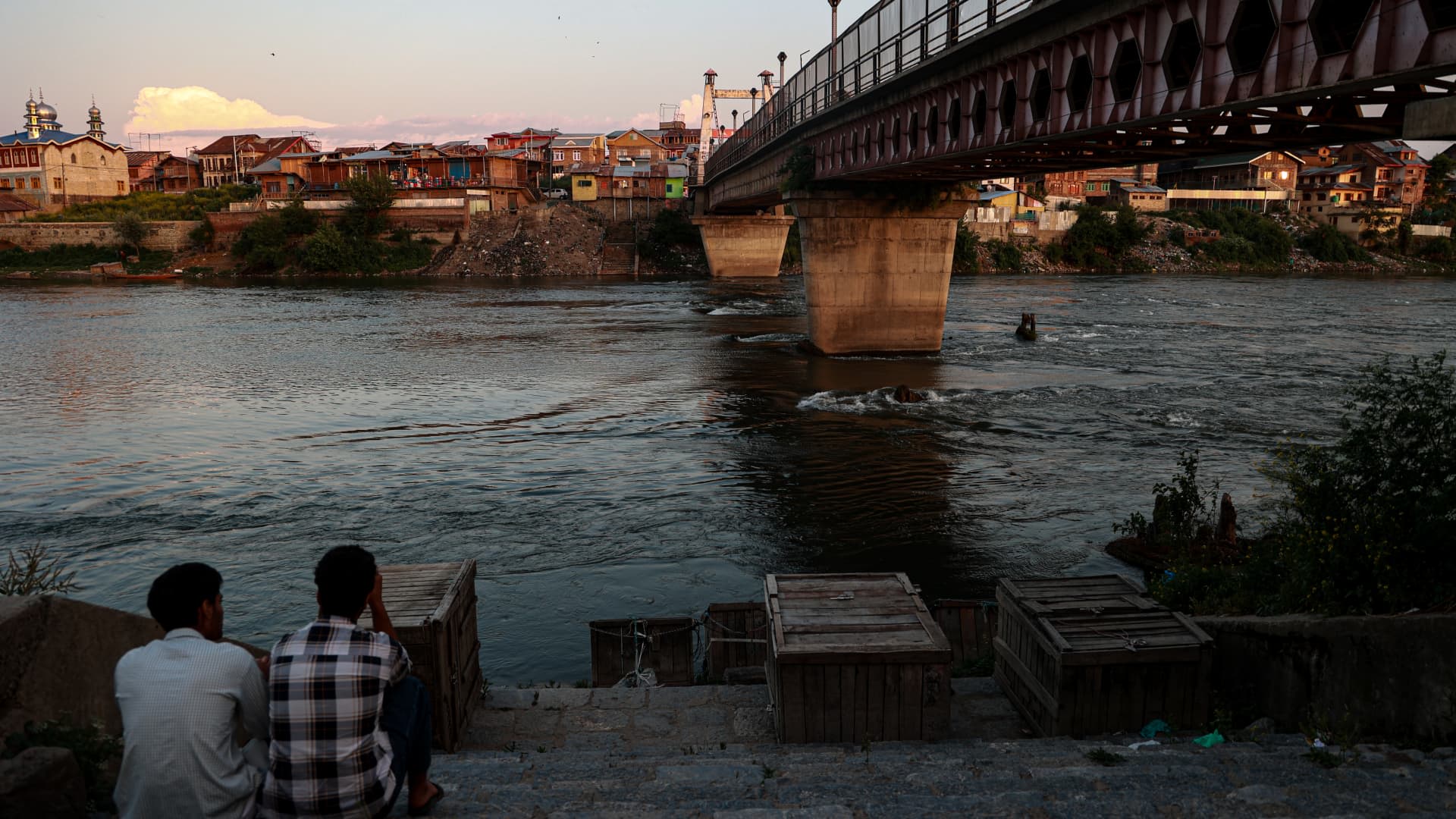
India has formally rejected a Permanent Court of Arbitration ruling that mandates adherence to the 1960 Indus Waters Treaty. New Delhi maintains that the tribunal is illegally constituted and asserts that its suspension of treaty enforcement and hydroelectric project plans remain in effect.
The Indus Waters Treaty: A Diplomatic Standoff
The long-standing Indus Waters Treaty (IWT), brokered by the World Bank in 1960, has entered a period of unprecedented volatility following India’s formal rejection of a recent ruling by the Permanent Court of Arbitration (PCA) in The Hague. The PCA, ruling in favor of Pakistan, asserted that the 1960 pact remains fully binding and that India lacks the legal standing to suspend its obligations. In response, the Indian government has dismissed the tribunal’s authority, labeling it an 'illegally constituted' body that lacks jurisdiction over sovereign decisions regarding transboundary water management.
The Core of the Dispute: Sovereignty vs. International Law
At the heart of this conflict lies the construction of hydroelectric projects in the Jammu and Kashmir region, specifically the Ratle hydropower project. Pakistan has long contested these infrastructure developments, arguing they violate the water-sharing provisions of the IWT. India, however, maintains that its projects are consistent with the treaty’s technical parameters. By rejecting the PCA’s restrictions, New Delhi is signaling a shift toward prioritizing its developmental sovereignty over the dispute-resolution mechanisms established decades ago.
Historical Context and Treaty Strains
Signed in 1960, the Indus Waters Treaty has historically been viewed as one of the world’s most successful water-sharing agreements, having survived multiple wars and decades of geopolitical hostility between India and Pakistan. The treaty divides the control of the six rivers of the Indus system, with the eastern rivers allocated to India and the western rivers (including the Jhelum) largely to Pakistan. The current breakdown represents a significant departure from this history, as India moves to keep the treaty in abeyance, suggesting that the established frameworks for arbitration are no longer viewed by New Delhi as impartial or effective.
Implications for Regional Stability
This diplomatic collision adds a dangerous layer of stress to the relationship between these two nuclear-armed neighbors. Water security is a vital national interest for both nations, and the reliance of agricultural and energy sectors on the Indus river system makes this an existential issue. By ignoring the PCA’s directive, India is effectively challenging the legitimacy of international arbitration in bilateral disputes, potentially setting a precedent for how future transboundary water conflicts in South Asia are handled.
Future Trends and Strategic Outlook
Looking ahead, this standoff suggests a period of heightened friction. As India continues to pursue its infrastructure projects in Jammu and Kashmir, the international legal community will likely face further challenges regarding its ability to enforce treaties between unwilling state actors. The 'abeyance' of treaty enforcement indicates that India is prepared to manage the Indus waters unilaterally, which may force Pakistan to seek further international intervention or intensify regional border tensions. The future of the IWT now appears more fragile than at any point in its six-decade history, with potential consequences for both domestic development and international diplomacy.
Multiple Citing Sources