Bessent reportedly tells Russia no economic relief until Ukraine war ends as Europe snubs Moscow at G20
Source Entity
US Top News and Analysis
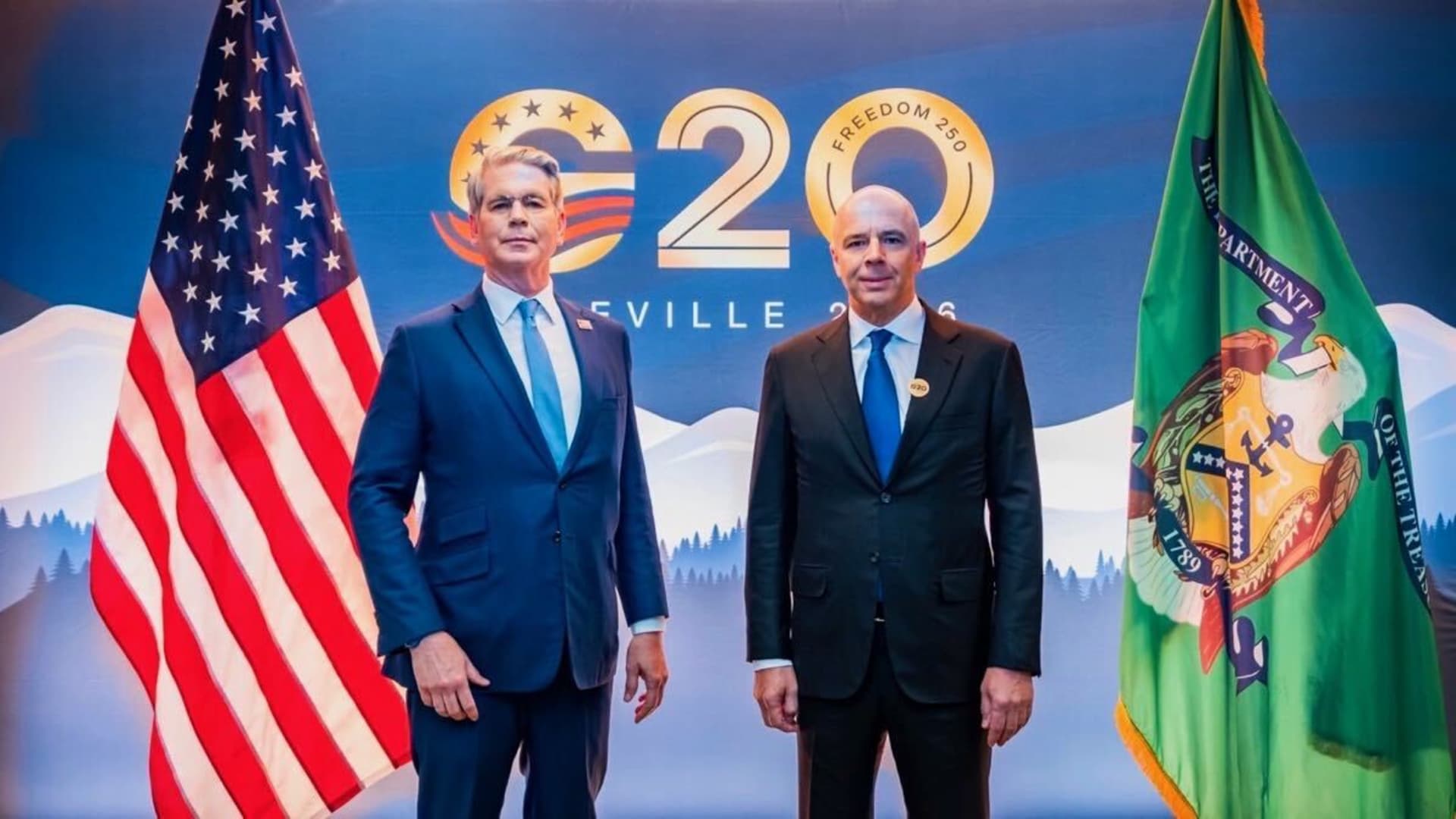
U.S. Treasury Secretary Scott Bessent met with Russian Finance Minister Anton Siluanov at the G20 summit to clarify that sanctions relief remains contingent on ending the war in Ukraine. This interaction highlights a strategic divergence between U.S. diplomatic openness and European efforts to further isolate Moscow.
Diplomatic Signaling at the G20 Summit
The recent meeting between U.S. Treasury Secretary Scott Bessent and Russian Finance Minister Anton Siluanov on the sidelines of the G20 Finance Ministers gathering in Asheville, North Carolina, marks a significant moment in the ongoing geopolitical standoff. By engaging directly with his Russian counterpart, Secretary Bessent utilized the summit as a platform to deliver a clear, unambiguous message: the current economic sanctions regime against Moscow is non-negotiable as long as the conflict in Ukraine persists.
The Constraints of Economic Diplomacy
The core of the discussion centered on the premise that no economic relief or new financial agreements will be extended to Russia until the cessation of hostilities. This stance reinforces the Biden administration's long-standing policy of utilizing economic statecraft as a primary lever to influence Russian behavior. By making this position explicit in a face-to-face setting, Washington has effectively removed any ambiguity regarding potential back-channel negotiations, signaling to Moscow that the road to economic reintegration is paved solely by the withdrawal from Ukraine.
Divergent Western Strategies
This interaction has highlighted a growing tactical divergence between Washington and European capitals. While the U.S. has shown a willingness to maintain diplomatic channels, European leaders have taken a more hardline approach, actively working to isolate Russia from the global financial system. The objections raised by European representatives to Siluanov's presence in Asheville illustrate a broader commitment to diplomatic ostracization, with many European governments planning to tighten sanctions further to intensify the pressure on the Russian economy.
The Weight of History and Precedent
Siluanov's presence at the G20 is notable as it represents his first in-person appearance at such a forum since the 2022 invasion of Ukraine. This return to the global stage, however, has been met with significant friction, reflecting the deep-seated divisions that have paralyzed international consensus since the conflict began. The meeting serves as a reminder that even when diplomatic venues are shared, the underlying geopolitical fractures remain deep and largely unbridgeable under the current status quo.
Future Implications for Global Finance
The tension displayed at the G20 summit suggests that the global financial landscape will remain increasingly bifurcated. As the U.S. balances the necessity of diplomatic communication with the enforcement of sanctions, and as Europe pushes for deeper isolation of the Russian financial sector, the prospects for a unified Western strategy appear increasingly complex. This meeting confirms that while the U.S. remains open to dialogue, the conditions for a return to normalcy are strictly tied to the security architecture of Eastern Europe, setting a firm baseline for all future international economic discourse.