Heavy Rain Disrupts Life In Guwahati, Waterlogging In Many Areas
Source Entity
NDTV News Search Records Found 1000
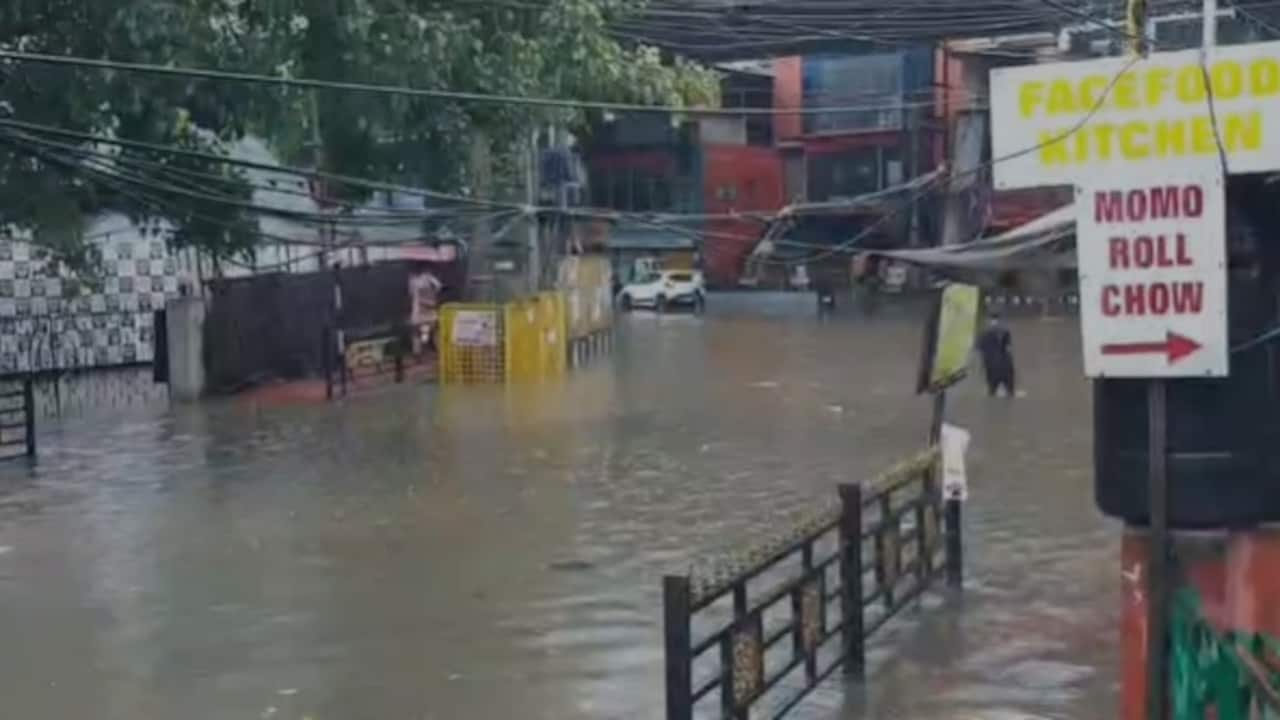
Heavy monsoonal rains have triggered severe waterlogging across Guwahati and Uttarakhand, disrupting daily life and transit. Authorities have responded by closing educational institutions in affected regions like Dehradun to ensure public safety.
Assessing the Impact of Extreme Rainfall in India
Widespread Urban Disruption in Guwahati
Recent heavy rainfall has paralyzed normal life in Guwahati, with severe waterlogging reported across multiple residential and commercial areas. The city’s drainage infrastructure, often strained by rapid urbanization and unplanned expansion, has struggled to cope with the intensity of the precipitation. This has led to significant traffic congestion and the displacement of residents, highlighting the recurring challenges of urban flood management in high-precipitation zones.
Crisis Conditions in Uttarakhand
Simultaneously, the mountainous state of Uttarakhand is facing a precarious flood-like situation. Visual evidence circulating on social media platforms, including footage of streams overflowing onto the Bhimtal bypass, illustrates the severity of the deluge. These conditions are particularly dangerous in hilly terrains where heavy rain frequently triggers flash floods, landslides, and the sudden swelling of mountain streams, posing an immediate threat to infrastructure and connectivity.
Administrative Interventions and Safety Measures
In response to the escalating weather crisis, local administrations have taken proactive steps to mitigate risk. Specifically, schools and Anganwadi centers in Dehradun have been ordered to close. This decision reflects a standard but critical administrative protocol designed to protect students and staff from the dangers of commuting through waterlogged streets and the potential for structural hazards during extreme weather events.
The Broader Implications of Climate Variability
These events underscore a growing trend of erratic weather patterns in Northern and Northeastern India. The convergence of heavy rainfall in geographically distinct regions like Assam and Uttarakhand suggests that local infrastructure, which was perhaps designed for historical weather norms, is increasingly ill-equipped for current climatic shifts. The inability of urban drainage systems to manage rapid runoff is a systemic issue that requires urgent investment in climate-resilient engineering.
Future Trends and Resilience Strategies
Moving forward, the frequency of such events necessitates a shift in disaster management policy. Beyond reactive measures like school closures, state governments must prioritize the integration of early warning systems and more robust urban planning. As these regions continue to experience more intense monsoonal activity, the focus must move toward long-term mitigation, including the restoration of natural drainage channels and improved maintenance of bypasses and arterial roads to prevent the catastrophic flooding currently observed.
Verification Required?